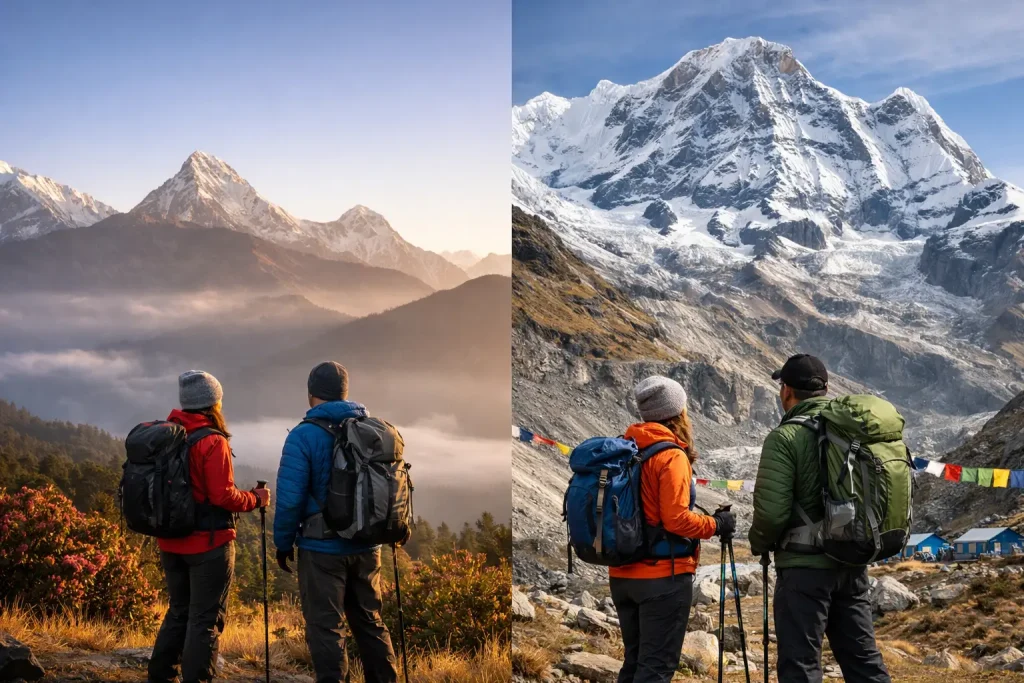
Sunrise from Poon Hill is one of those Himalayan moments that stays with people for years, but the experience is much better when the plan is realistic. A 6-Day Poon Hill Trek is ideal for trekkers who want mountain views, village culture, rhododendron forests, and comfortable teahouse trekking without committing to a long high-altitude expedition. It is short, accessible, and rewarding, but it still deserves proper planning.
This trek sits in the Annapurna region and is often recommended for first-time trekkers in Nepal. That said, it is not only for beginners. Many experienced hikers choose it when they want a shorter route with excellent scenery, manageable altitude, and a good mix of stone stair climbs, forest trail, and Gurung and Magar villages. If your time in Nepal is limited, this is one of the best short treks to consider.
Why choose a 6-Day Poon Hill Trek?
The biggest advantage of this itinerary is balance. Six days gives enough time to travel from Pokhara, walk at a comfortable pace, enjoy the sunrise viewpoint, and return without feeling too rushed. Shorter versions exist, but they often compress the route too much, especially if transport timing is not smooth or if you are not used to long uphill walking.
Another reason this trek works so well is altitude. Poon Hill is around 3,210 meters, which is high enough for broad Himalayan panoramas but low enough that the risk of serious altitude problems is much lower than on treks such as Everest Base Camp or Annapurna Circuit. You still need to listen to your body, but this is generally a safer choice for trekkers testing themselves in Nepal for the first time.
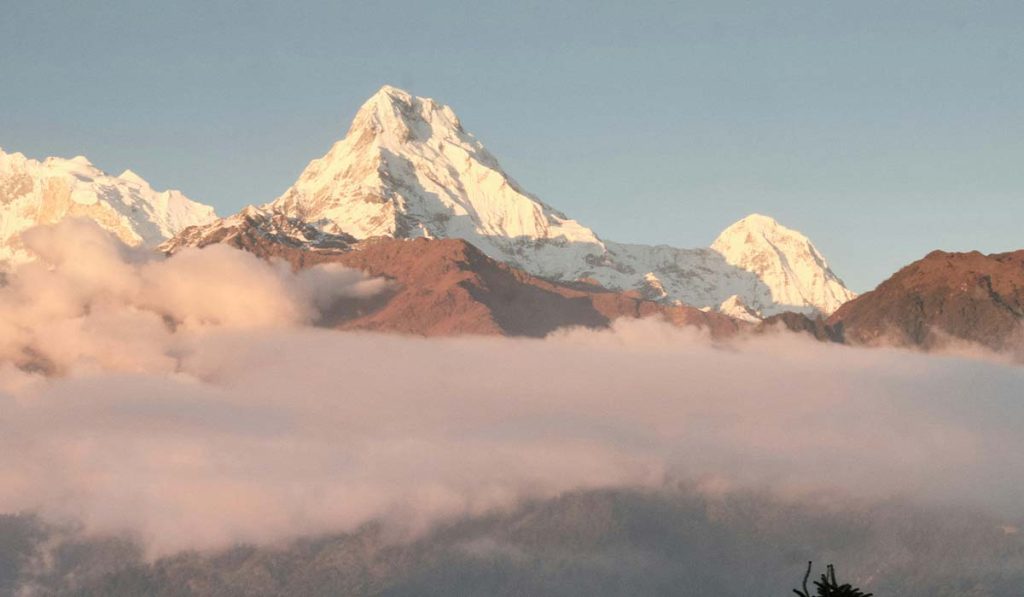
The views are a major draw. On clear mornings, you can expect wide mountain scenery including Dhaulagiri, Annapurna South, Machhapuchhre, Hiunchuli, and Nilgiri. The trail itself is also attractive, especially in spring when the rhododendron forests are in bloom.
Typical 6-Day Poon Hill Trek itinerary
There are a few route variations, but one practical 6-day plan starts with driving from Pokhara to Nayapul or Birethanti and continuing to Ulleri on foot. Some itineraries use a jeep farther up the road depending on conditions, but a more classic walking route is still preferred by many trekkers.
Day 1: Pokhara to Ulleri
This is usually a transfer to the trailhead followed by several hours of walking. The traditional route includes plenty of stone steps, especially near Ulleri, so the first day can feel harder than expected. If you are fresh from arrival in Nepal, take your pace seriously and do not race the climb.
Day 2: Ulleri to Ghorepani
The trail climbs through forest and passes small settlements with steady uphill walking most of the day. This section is scenic and shaded in many parts. Ghorepani is one of the main overnight stops and has a good range of teahouses.
Day 3: Poon Hill sunrise and trek to Tadapani
This is the highlight day. You start before dawn and hike up to Poon Hill for sunrise. After spending time at the viewpoint, you return to Ghorepani for breakfast and then continue trekking to Tadapani. It is a long but very rewarding day with changing views and forest trail.
Day 4: Tadapani to Ghandruk
This is usually a shorter day compared with the previous one. Ghandruk is one of the best-known villages in the region and gives a nice cultural contrast to the forest sections of the trek. The village is large, scenic, and comfortable for an overnight stay.
Day 5: Ghandruk to Nayapul and drive to Pokhara, or overnight lower down
Some trekkers finish the walking on this day and return directly to Pokhara. Others break the descent depending on pace, trail condition, and transport arrangements. It depends on how relaxed you want the final section to feel.
Day 6: Buffer day or flexible return plan
In many practical itineraries, the sixth day acts as a cushion for transport, weather, rest, or a more gradual return. This is especially useful if you prefer not to rush back immediately after the trek. Having one flexible day often makes the overall trip smoother.
How difficult is the trek?
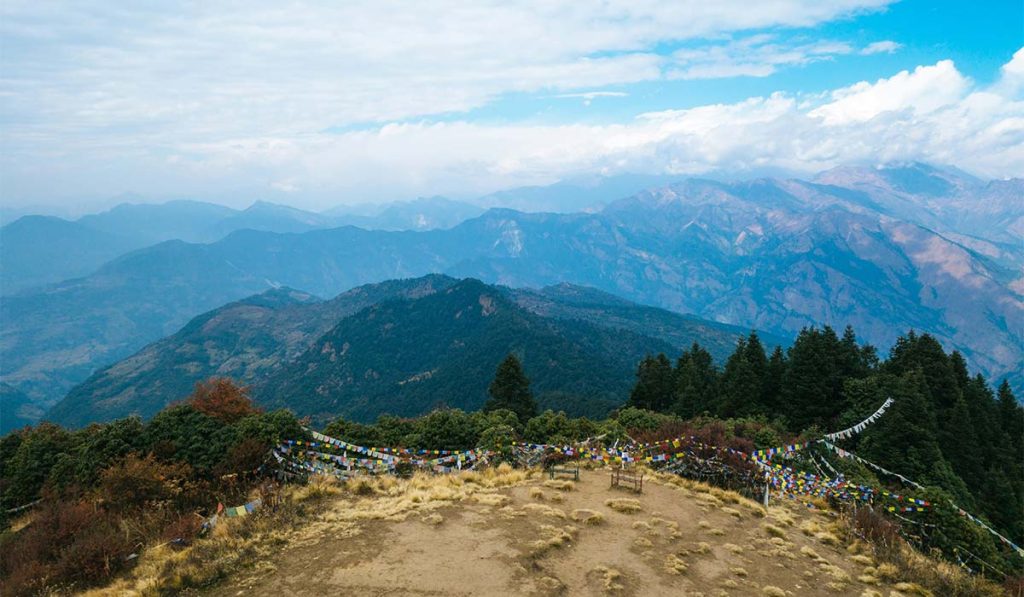
The 6-Day Poon Hill Trek is considered easy to moderate, but that can be misleading if you only focus on altitude. The challenge here is not extreme elevation. It is the repeated uphill and downhill walking, especially on stone stair sections. Trekkers with decent general fitness usually do well, but your legs may feel the climb more than expected.
A person who walks regularly, does light hiking, or stays reasonably active can normally prepare for this route without specialized mountain training. If you struggle with stairs at home, this trek will feel tougher. If you can comfortably manage several hours of walking for consecutive days, it becomes much more enjoyable.
Weather and season also affect difficulty. In monsoon, trails can be slippery. In winter, cold mornings and occasional frost can slow your pace. In peak spring and autumn, conditions are usually more favorable.
Best season for the 6-Day Poon Hill Trek
Autumn, from late September to November, is the most reliable period for stable weather and clear mountain views. The air is often sharp and visibility is excellent, especially after the monsoon has cleared the sky.
Spring, from March to May, is another excellent time. Forests are especially beautiful then, with rhododendrons blooming across many parts of the trail. Temperatures are also comfortable, though afternoon haze can sometimes soften distant mountain views.
Winter trekking is possible and can be very peaceful. The trade-off is colder nights and mornings, and sometimes less comfort if you are sensitive to low temperatures. Monsoon season is the least favorable because clouds, rain, leeches in some sections, and slippery paths reduce the overall experience.
Permits, accommodation, and food
For this trek, you generally need the standard permits required for the Annapurna region. Permit rules can change, so it is wise to confirm the current requirements before departure rather than relying on old forum posts or outdated blog information.
Accommodation is in teahouses, which makes this trek much easier logistically than camping routes. Rooms are usually simple, with twin beds, blankets, and shared bathrooms in most places. The higher you go, the more basic things can feel, but on the Poon Hill route facilities are generally better than on many remote treks.
Food is straightforward and filling. Dal bhat, noodles, fried rice, soup, potatoes, eggs, pancakes, and tea are common. Expectations should stay practical. You are there for the trek, not luxury dining, though many villages serve surprisingly good meals.
What to pack for this trek
Packing light helps a lot on this route because the daily walking is steady. You do not need expedition gear, but you do need layers. Mornings at Poon Hill can be cold, especially before sunrise when you are standing still at the viewpoint.
Bring broken-in trekking shoes, warm layers, a waterproof outer shell, gloves, hat, sun protection, water bottles, and basic personal medicine. A headlamp is useful for the early morning Poon Hill climb. If you are trekking in peak season, a sleeping bag can add comfort even when blankets are available in teahouses.
Local transport and route flexibility
One thing many trekkers do not realize before arrival is that access roads in the lower Annapurna area have changed parts of the classic walking approach. Depending on current road condition and your priorities, you can shorten or adjust some sections with jeep transport. This can save time, but it also changes the character of the trek.
If your goal is a fuller trekking experience, keep more of the walking days. If your goal is to fit a Himalayan trek into a tight travel schedule, using vehicle access strategically may make sense. Neither choice is wrong. It depends on how much trail time you want versus how much convenience you need.
Is a guide necessary?
Many trekkers ask whether they can do this route independently. Regulations and enforcement can change, so the practical answer depends on the current rules at the time of travel. Even when independent trekking is possible, a guide still adds value.
A good guide helps with route pacing, teahouse arrangements, local insight, weather judgment, and problem-solving if transport or trail conditions change. On a short trek, some travelers think they can skip that support, but often the trip runs more smoothly with local guidance. Himalaya Wanderer generally advises trekkers to make decisions based on current rules, confidence level, and the kind of experience they want rather than assuming the cheapest option is the best one.
Who is this trek best for?
This route suits travelers who want a genuine Himalayan trekking experience without going too high or too remote. It is especially good for first-time Nepal trekkers, families with older children, photographers, and people combining trekking with a wider Nepal trip.
It is less ideal for those seeking wilderness isolation or very challenging mountain days. Poon Hill is popular for a reason, and in peak season you should expect company on the trail and at sunrise. If you want quiet trails above all else, another route may suit you better.
Still, for many trekkers, that trade-off is worth it. Few short treks in Nepal combine accessibility, comfort, village life, and major mountain views as well as this one. If you prepare honestly, choose the right season, and leave a little room in the schedule, the 6-day version gives you enough time to enjoy the trail rather than just finish it.