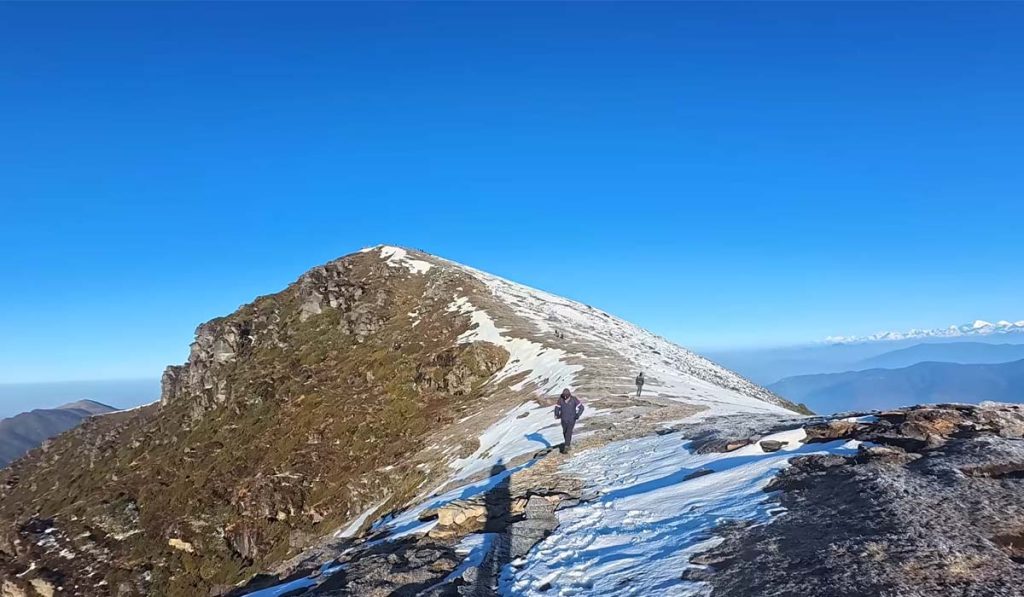
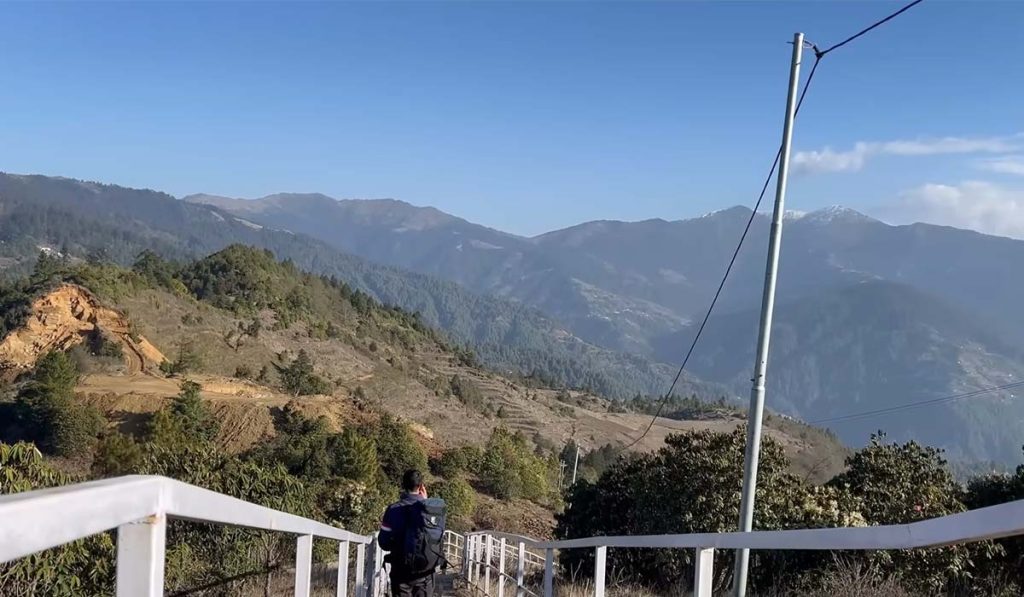
A lot of trekkers look at Pikey Peak and think the same thing: it is lower than Everest Base Camp, less crowded than popular trails, and simple enough to do alone. That is partly true. Solo Trekking Pikey Peak can be a very rewarding experience, especially if you want quiet trails, wide mountain views, and a shorter trek in the Everest region. But going solo here still requires good judgment, realistic pacing, and solid planning.
Pikey Peak is often described as one of the best viewpoints in eastern Nepal. On a clear morning, you can see a long line of Himalayan giants, including Everest, Makalu, Kanchenjunga, Lhotse, and several other peaks. The sunrise from the ridge is the highlight, but the trek itself is also beautiful, passing through Sherpa villages, forested paths, prayer walls, grazing hills, and old monasteries.
What makes this route attractive for solo trekkers is also what can make it tricky. The trail is quieter, facilities are more basic than on major trekking routes, and the weather can change fast. That does not mean you should avoid it. It means you should understand what kind of solo trek this really is.
Is solo trekking to Pikey Peak a good idea?
For the right trekker, yes. Pikey Peak is one of the more manageable tea house treks in Nepal for independent travelers who have some mountain sense. The altitude is moderate by Himalayan standards, the trail is relatively short, and the route does not require technical climbing.
Still, this is not the same as walking a heavily trafficked route where help is always nearby. Parts of the trail can feel isolated, especially outside the main trekking seasons. Signage may be inconsistent in some sections, and if bad weather rolls in, navigation becomes less straightforward. If you are comfortable trekking independently, can read a trail, and know how your body reacts to altitude, the route is realistic. If this is your first trek in Nepal, solo is possible, but only if you prepare carefully and stay conservative with your itinerary.
A useful way to think about it is this: Pikey Peak is easier than many famous Himalayan treks, but it is still a remote mountain walk in Nepal. That difference matters.
What makes Pikey Peak suitable for solo trekkers
The biggest advantage is scale. Most itineraries take around 5 to 7 days depending on your start and end points, transport choices, and acclimatization style. That shorter duration reduces logistical complexity. You do not need to carry food for many days, and you can stay in local lodges in villages along the route.
The second advantage is altitude. Pikey Peak stands at around 4,065 meters, high enough for outstanding views but lower than many trekking passes and base camp routes. Altitude sickness is still possible, especially if you ascend too quickly, but the overall risk is lower than on treks that push much higher.
The third advantage is the trail atmosphere. Many trekkers want a quieter route without the crowd and pressure of busier regions. On Pikey Peak, you can walk for long stretches in peace. For solo travelers who enjoy self-paced days and meaningful contact with local communities, that is a major reason to choose this route.
The main risks of going alone
The same quietness that makes the trek special also means fewer backup options. If you twist an ankle, miss a turn, or feel unwell, assistance may not be immediately available. Mobile network coverage can be unreliable depending on the location and provider. In poor weather, visibility can drop fast, especially around ridges and high viewpoints.
Accommodation is usually available in season, but you should not assume every lodge will be open, especially in winter or during quieter months. Food choices can also be limited in smaller villages, and delays in transport to or from the trailhead are common.
Another concern is route decision-making. A solo trekker has nobody to cross-check timing, weather judgment, or physical condition. That is often where small mistakes become bigger ones. Starting too late, pushing too high too fast, or continuing in heavy cloud are common examples.
Permits and local rules
Before trekking, check the current permit requirements because Nepal’s trekking rules can change. Pikey Peak typically involves local area permit requirements rather than the full set used on restricted or major national park routes, but this depends on your exact access point and route variation.
This is one area where trekkers should not rely on old blog posts or assumptions. Confirm what is required before you travel. If regulations for independent trekking change in any area, that can affect whether solo trekking is allowed, advisable, or practical.
Even when solo trekking is permitted, carrying your permits, passport copies, emergency contacts, and insurance details is essential. Keep paper copies in a dry bag and digital backups on your phone.
Route planning matters more than most solo trekkers expect
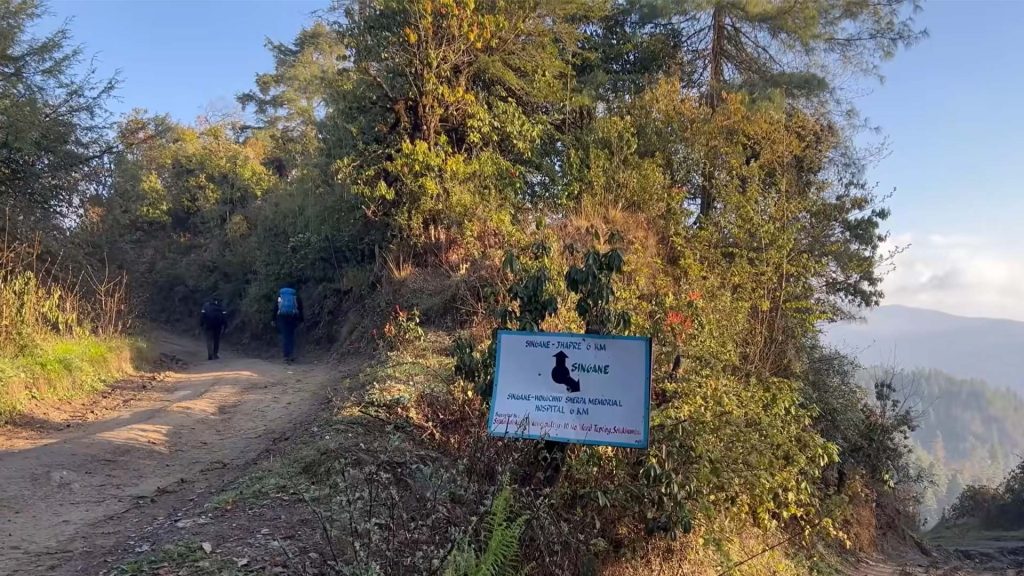
The classic route usually begins after a drive from Kathmandu toward Dhap or a nearby starting point, then continues through villages such as Jhapre, Pikey Base Camp, Junbesi, and Phaplu, depending on the itinerary. There are several route combinations, and that flexibility is useful, but it can also create confusion if your plan is vague.
For solo trekking, build an itinerary with short, realistic days. A common mistake is treating Pikey Peak like a quick hill walk and underestimating the impact of transport fatigue, trail conditions, and altitude gain. If you arrive tired from a long road journey and then push too far on day one, the trek feels harder than it needs to.
A steady itinerary gives you more margin for weather and recovery. It also improves your chances of reaching the viewpoint in clear morning conditions, which is the main reason most people come here.
The weather and season can decide your experience
Spring and autumn are usually the best seasons for Pikey Peak. In spring, the hills are greener, rhododendrons may be in bloom, and temperatures are generally comfortable. In autumn, skies are often clearer after the monsoon, which improves mountain views.
Winter trekking is possible, and some trekkers love the crisp air and quiet trails, but cold nights, frost, and possible snow near the high point make solo travel more serious. Lodge availability can also be thinner. During monsoon, trails can be muddy, visibility often poor, and leeches may be present in lower forest sections. Solo trekking in the monsoon demands extra caution because poor visibility makes route-finding and timing harder.
No matter the season, plan your Pikey Peak summit morning around the forecast. Start early, carry warm layers, and avoid relying on luck for the view.
Accommodation, food, and daily logistics
Pikey Peak is generally done as a tea house trek, but do not expect the same lodge standard you find on Nepal’s most commercial routes. Rooms are usually simple. Blankets may be available, but a good sleeping bag is still wise, especially outside warmer months.
Meals are straightforward and filling. Dal bhat, noodles, fried rice, soup, potatoes, eggs, and tea are common. As a solo trekker, eat enough and drink more water than you think you need. Dehydration and under-fueling are common reasons people feel weak at altitude.
Charging facilities and hot showers may be available in some villages, but not everywhere and not always reliably. Carry a power bank, a headlamp, water purification method, and enough cash. Card payment should not be part of your plan.
Should you hire a guide if you are trekking alone?
This is the question many travelers really mean when they ask about solo trekking. Can you do it independently? In many cases, yes. Should you? That depends on your experience, season, confidence with mountain travel, and how much uncertainty you are willing to manage.
If you have prior trekking experience, can handle simple navigation, and are going in a stable season, independent trekking may suit you well. If you are new to Nepal, trekking in winter, worried about logistics, or simply want a safer and smoother experience, hiring a guide makes a lot of sense.
A good local guide does more than show the trail. They help with pacing, lodge coordination, weather judgment, cultural context, and small decisions that save energy each day. On a route like Pikey Peak, where the trail is quieter and local knowledge matters, that support can make the trek feel more relaxed rather than less adventurous.
How fit do you need to be?
You do not need mountaineering fitness, but you do need decent walking stamina. Expect long uphill sections, uneven terrain, and repeated ascents and descents. If you can hike for several hours on consecutive days with a light pack, you are in a reasonable starting position.
The stronger question is not whether you can survive the trek. It is whether you can enjoy it. If steep climbs leave you exhausted early in the day, your margin for cold, weather changes, and altitude gets smaller. A few weeks of regular uphill walking, stair training, and carrying a daypack can make a real difference.
Safety habits that matter on this trek
Solo trekkers often focus on gear and forget habits. Habits are what keep the day under control. Start early, track your water intake, monitor your pace, and avoid pushing to a fixed schedule if your body says slow down. Tell someone your planned stop for the night whenever possible. If the weather looks poor before your summit push, wait or adjust.
Do not ignore mild symptoms of altitude illness just because Pikey Peak is not extremely high. Headache, nausea, unusual fatigue, dizziness, or poor sleep can all matter. If symptoms worsen with ascent, descend. Simple decisions made early are what prevent serious problems later.
For many trekkers, Pikey Peak is one of the best short Himalayan treks because it still feels real. You get the villages, the ridgelines, the prayer flags, the cold morning start, and that huge wall of mountains at sunrise. If you want to walk it alone, do it with respect for the trail, not fear of it. Good preparation is what turns a solo trek from risky to deeply satisfying.