A short itinerary does not automatically mean an easy trek. Many of the best short treks in Nepal reach elevations where altitude, cold, and consecutive uphill days matter more than total distance. The right choice depends on how many days you truly have, your hiking background, your tolerance for basic mountain accommodation, and whether you want broad Himalayan views or a more immersive valley experience.
For most international travelers, a short Nepal trek means four to nine walking days, plus travel time before and after the route. That window is enough for excellent mountain scenery, but it leaves less room to absorb delays or add acclimatization days. Choose the route for the experience you want, then build a schedule with a margin for weather and transport.
How to Choose a Short Trek in Nepal
Start with elevation rather than the number of days. A five-day trek that climbs above 14,000 feet can be harder than an eight-day route that stays lower. If this is your first Himalayan trek, look for a gradual ascent, realistic daily walking stages, and an itinerary that does not require you to rush from a low trailhead to a high viewpoint.
Season matters just as much. October through November and March through April generally offer the most reliable trekking conditions and the clearest mountain views. Winter can be ideal for lower routes such as Poon Hill or Pikey Peak, though cold mornings and snow may affect higher trails. During the monsoon, trail conditions, clouds, leeches in lower forests, and flight delays can make short schedules less dependable.
Also allow for logistics. A trek advertised as five days may require a full day of road travel from Kathmandu on each end. Everest-region routes often rely on mountain flights, which are efficient when weather cooperates but can disrupt tightly planned international itineraries.
7 Best Short Treks in Nepal
1. Poon Hill Trek: Best for First-Time Himalayan Trekkers
The Poon Hill Trek is the most dependable choice for travelers who want major Himalayan views without committing to high altitude. Most itineraries take four to five days from Pokhara, passing through Gurung and Magar villages, rhododendron forest, stone staircases, and established teahouses. The sunrise viewpoint at Poon Hill sits around 10,530 feet and looks toward Dhaulagiri, Annapurna South, Machhapuchhre, and Nilgiri.
The trade-off is popularity. This is a well-used route, particularly in peak season, and its many stone steps can challenge knees and calves. Still, it is one of the strongest options for beginners, families with fit older children, or anyone with limited time. Annapurna-region permits are required, so confirm the current rules before departure.
2. Mardi Himal Trek: Best for High-Ridge Scenery
The Mardi Himal Trek usually takes five to six days and delivers a more dramatic sense of exposure than Poon Hill. The trail climbs from forest to a narrow ridge, where Annapurna South, Hiunchuli, and Machhapuchhre feel remarkably close. High Camp is generally around 11,800 feet, while the upper viewpoint may reach roughly 14,500 feet depending on the turnaround point.
This trek is short but not gentle. Accommodation becomes more basic higher up, the climb to the viewpoint starts early in cold conditions, and the final ridge can feel demanding for hikers unused to steep terrain. It suits travelers with good fitness who want a quieter Annapurna route and accept that a high viewpoint does not leave much time for acclimatization.
3. Langtang Valley Trek: Best for Valley Culture and Mountains
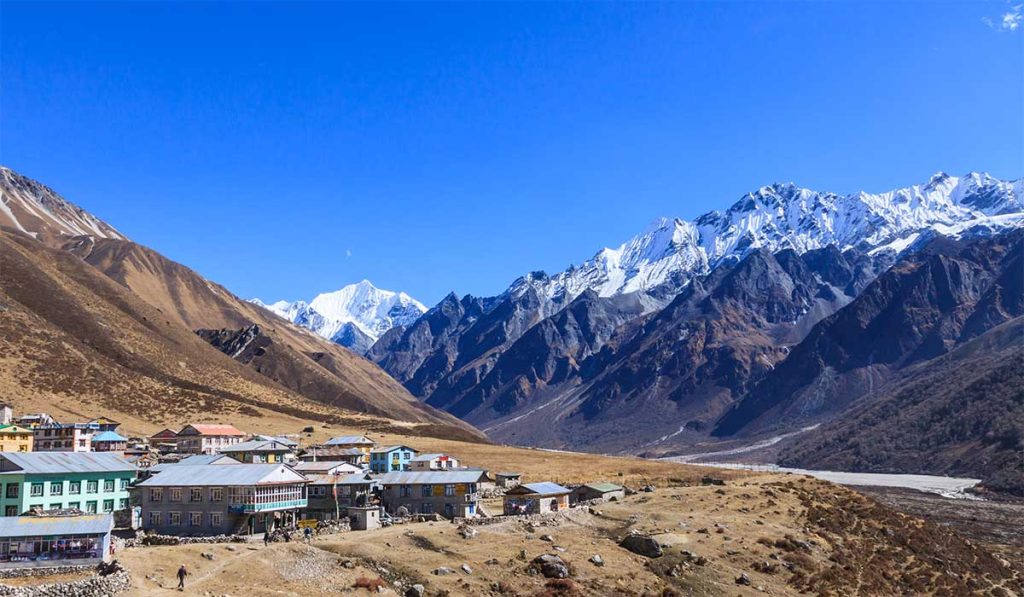
The Langtang Valley Trek is commonly completed in seven to nine days, making it longer than some short options but still practical for travelers with about 10 to 12 days in Nepal. It begins with a road journey north of Kathmandu and follows the Langtang Khola through forest, villages, and increasingly open alpine terrain. Kyanjin Gompa, at about 12,500 feet, is the usual destination.
A day hike to Kyanjin Ri or Tserko Ri adds the trek’s best panoramic views, but it also raises the altitude significantly. This is a better option than a rushed Everest itinerary for travelers who want high Himalayan scenery without a flight. The route requires a Langtang National Park permit, and conditions on the access road can affect travel times.
4. Pikey Peak Trek: Best for Everest Views Without the Crowds
Pikey Peak is a five- to seven-day trek in the Solukhumbu region, known for wide sunrise views that can include Everest, Lhotse, Makalu, Kanchenjunga, and the Annapurna range on clear days. The Pikey Peak viewpoint is around 13,400 feet, high enough to feel like a serious mountain objective without requiring the long approach to Everest Base Camp.
The route is particularly appealing for trekkers who value quieter trails, local Sherpa culture, and a less commercial atmosphere. It does involve long drives and variable road conditions, which should be considered when planning onward flights. The altitude is manageable for many fit hikers, but sleeping high too quickly can still cause acute mountain sickness.
5. Gokyo Lakes Short Trek: Best for Everest Region Scenery
A shortened Gokyo Lakes Trek can fit into seven to nine trekking days if flights to and from Lukla operate on schedule. It follows the Everest approach trail before turning toward the turquoise Gokyo lakes and the village of Gokyo. The major objective is Gokyo Ri, at approximately 17,575 feet, with exceptional views of Everest, Cho Oyu, Makalu, and the Ngozumpa Glacier.
This is the least forgiving option on this list. Although the walking distances can be moderate, the sleeping elevation is high and the Gokyo Ri summit is well above the level where altitude illness becomes a serious concern. It is best for trekkers with previous high-altitude experience or those willing to add acclimatization days. Sagarmatha National Park and local-area permits apply, and Lukla flight delays should be built into every itinerary.
6. Helambu Trek: Best for a Lower-Altitude Escape from Kathmandu
The Helambu Trek offers a five- to seven-day option close to Kathmandu, with Tamang and Hyolmo communities, forest trails, terraces, and mountain views. Most versions reach the Tharepati area at roughly 12,000 feet before descending through villages. It does not have the sheer scale of the Annapurna or Everest regions, but that is also its advantage for travelers who want a less complex trip.
This route works well early or late in the trekking season, when higher passes may be snowy. Do not mistake its lower profile for an effortless walk: ascents are sustained, and trail conditions vary. It is a sensible choice for hikers who prioritize culture, manageable logistics, and moderate altitude over a famous summit viewpoint.
7. Khopra Danda Trek: Best for a Quieter Annapurna Alternative
The Khopra Danda Trek takes about six to eight days and offers a quieter alternative to the Poon Hill circuit. Its high point, Khopra Ridge, sits around 11,950 feet and provides expansive views of Dhaulagiri, Nilgiri, Annapurna South, and the Kali Gandaki Valley. The route combines forest, traditional villages, and open ridgelines, with less traffic than the classic Ghorepani route.
It is a strong middle ground for hikers who have more time than a Poon Hill itinerary allows but do not want the elevation of Mardi Himal or Gokyo. Daily climbs can still be substantial, and some lodges are more basic than those on the main Annapurna trails. Annapurna-region permits are required.
The Best Short Trek Depends on Your Margin for Altitude
For a first trek in Nepal, Poon Hill is usually the safest starting point, followed by Helambu or Khopra Danda for travelers who want more time on the trail. Mardi Himal is appropriate for fit hikers comfortable with steep terrain and a higher viewpoint. Langtang provides the best balance of cultural depth and mountain scale on a one-week-plus itinerary.
Pikey Peak and Gokyo are better viewed as altitude-focused trips rather than quick scenic hikes. Gokyo, especially, should not be selected simply because an itinerary says it can be done in a week. If headache, nausea, unusual fatigue, dizziness, or loss of coordination develops at altitude, the correct response is to stop ascending and assess the situation. Worsening symptoms require descent, not determination.
Plan the Days Around the Trek, Not Just the Trail
Add at least one buffer day before an international departure, especially for Everest-region treks or routes with long road transfers. Carry travel insurance that explicitly covers trekking at your planned maximum elevation and emergency helicopter evacuation. Bring layered clothing, sun protection, a warm sleeping layer, and broken-in hiking boots even on lower routes, because Himalayan weather can shift quickly.
Permit requirements, guide rules, and transportation arrangements can change, so verify current regulations while planning. Travelers who prefer local support can arrange permits, guides, and a route paced for acclimatization through an experienced Nepal operator such as Radiant Treks.
The best short trek is the one you can complete without rushing your body, your transport, or your return flight. Give the mountains an extra day if you can – it often turns a stressful schedule into a far better trek.