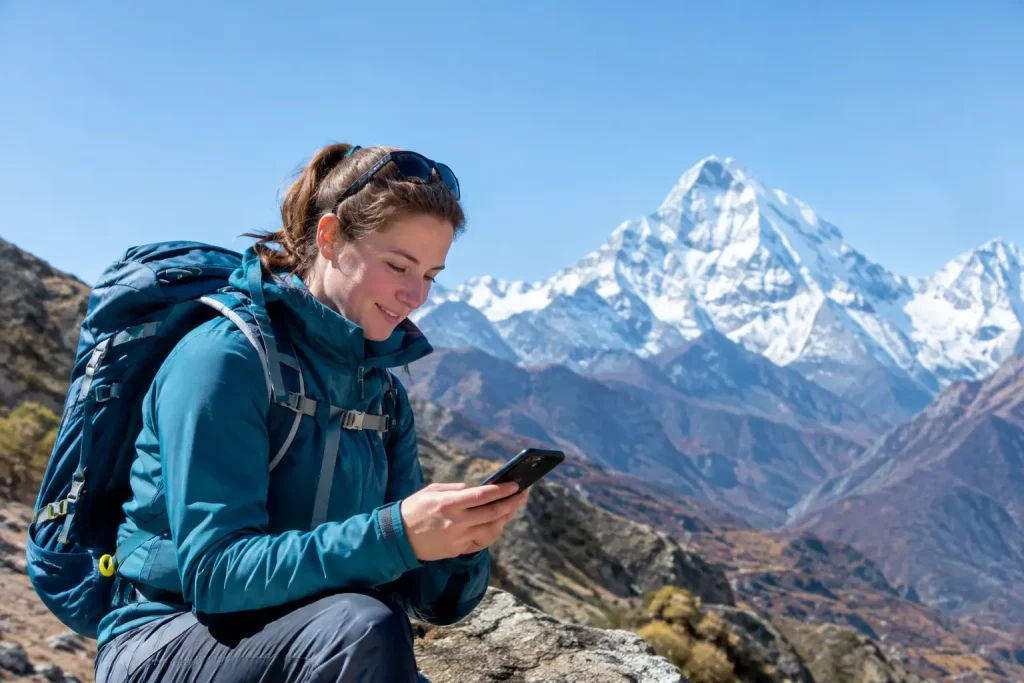
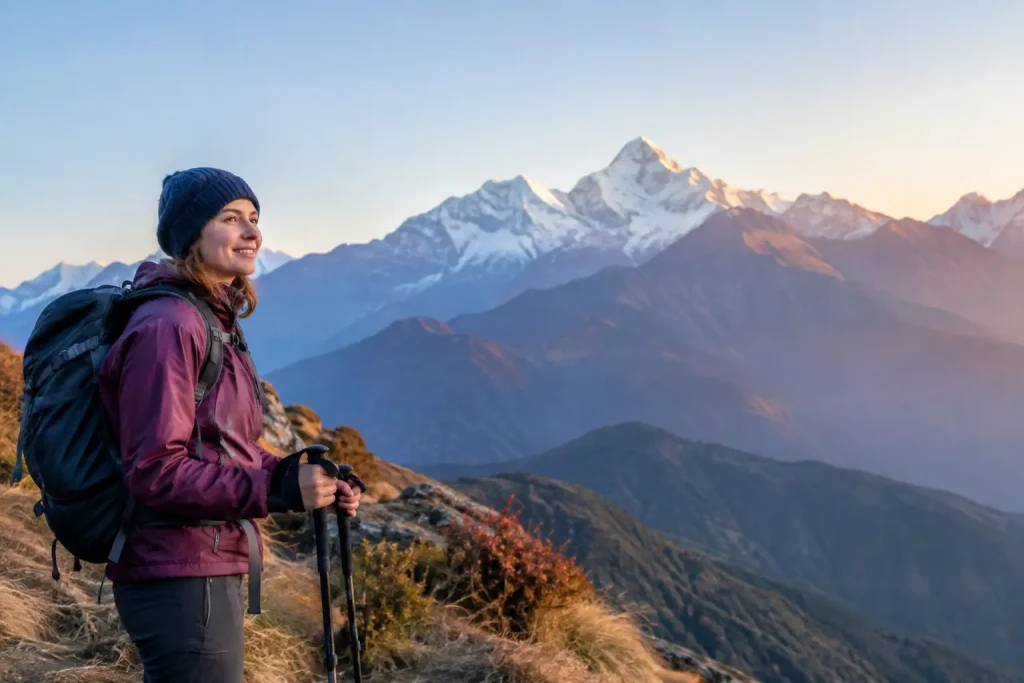
A headache at 11,000 feet can feel like a minor inconvenience after a long day on the trail. On a Himalayan trek, though, it deserves attention. Understanding what causes altitude headache helps you separate a common acclimatization symptom from a warning that your body needs rest, hydration, or a lower sleeping altitude.
An altitude headache is one of the most frequent symptoms trekkers experience above roughly 8,000 feet (2,500 meters). It often begins as a dull, persistent pressure at the front or back of the head and may worsen overnight, with exertion, or when bending over. It can occur on any Nepal route that gains elevation quickly, from the Langtang Trek to Poon Hill, Mardi Himal, Gokyo Lakes, and Pikey Peak.
What Causes Altitude Headache?
The central cause is reduced oxygen availability at higher elevation. The percentage of oxygen in the air stays the same, but air pressure falls as you climb. Each breath therefore delivers fewer oxygen molecules to your lungs and bloodstream.
Your body responds by increasing breathing rate, heart rate, and blood flow to the brain. These changes, along with shifts in fluid balance, are thought to contribute to the pressure and pain of an altitude headache. The exact process is complex and varies between individuals, but the practical point is simple: your body needs time to adapt to sleeping at altitude.
A headache alone does not automatically mean serious altitude illness. However, a headache combined with nausea, poor appetite, unusual fatigue, dizziness, or poor sleep may be acute mountain sickness (AMS). AMS is common, unpredictable, and closely linked to ascending or sleeping too high too quickly.
The Rate of Ascent Matters More Than Fitness
A strong runner can develop altitude headache on the same schedule as a first-time trekker. Cardiovascular fitness improves endurance, but it does not make someone immune to the effects of lower oxygen pressure.
The most important risk factor is how rapidly you gain sleeping elevation. Trekking uphill during the day is generally manageable when you descend to sleep lower. Problems become more likely when each overnight stop is substantially higher than the last, especially once you are above 10,000 feet (3,000 meters).
This is why a route itinerary matters as much as the total distance. A compressed Langtang itinerary, for example, may look manageable on paper but can give the body too little time to acclimatize. On higher routes such as Gokyo Lakes, planned rest and acclimatization days are a core safety feature, not wasted time.
Dehydration Can Make the Pain Worse
Dehydration does not cause altitude illness by itself, but it can trigger or intensify a headache that feels similar to AMS. Cold, dry air increases fluid loss through breathing. Long walking days, sweating under layers, diarrhea, vomiting, and simply forgetting to drink can all contribute.
Aim to drink consistently through the day rather than forcing large amounts of water at night. Clear or pale-yellow urine is a useful general sign of adequate hydration, although it is not a perfect measure. Do not overdrink plain water either, since excessive intake can dilute sodium levels. Drink with meals and include normal salty foods unless a medical professional has advised otherwise.
Exertion, Alcohol, and Poor Sleep Add Stress
The first day at a new elevation is not the time to race ahead of your group. Hard exertion raises breathing demand and can worsen head pain before your body has adapted. Trek at a conversational pace, take short breaks, and avoid turning every uphill section into a fitness test.
Alcohol can worsen dehydration and disrupt sleep, both of which make altitude symptoms harder to assess. Sedatives and sleeping pills also require caution at altitude because they may reduce respiratory drive. If you use prescription medication, discuss high-altitude travel with your clinician before leaving home.
Poor sleep is common at altitude even in otherwise healthy trekkers. You may wake frequently or feel as though you breathed lightly through the night. A bad night alone is not usually dangerous, but when it comes with a worsening headache, nausea, and reduced coordination, it should change the next day’s plan.
Altitude Headache or Something Else?
Not every headache in the Himalayas is related to elevation. Sun glare, eye strain, skipped meals, caffeine withdrawal, sinus congestion, neck tension from carrying a pack, and a viral illness can all be responsible. A headache that begins at a low elevation, improves after food and fluids, or matches your usual migraine pattern may have another explanation.
Still, it is safer to treat a new headache after ascent as altitude-related until you have considered the full picture. Ask: Did the headache start after gaining elevation? Is it worse than usual? Are other AMS symptoms present? Did it improve with rest, fluids, food, and no further ascent?
Pain medication may relieve discomfort, but it cannot prove that the problem is harmless. Acetaminophen or ibuprofen can be appropriate for many people, provided they can take them safely and follow package or clinician guidance. Never use a painkiller to cover symptoms so you can continue climbing to a higher sleeping stop.
When a Headache Signals a Serious Emergency
A severe or worsening headache can be part of high-altitude cerebral edema (HACE), a rare but life-threatening form of altitude illness. The defining concern is a change in brain function, not simply pain intensity.
Treat the following symptoms as an emergency, particularly after ascent:
- Confusion, unusual behavior, or difficulty thinking clearly
- Loss of balance, stumbling, or inability to walk heel-to-toe in a straight line
- Severe weakness, extreme drowsiness, or fainting
- Persistent vomiting or a headache that continues to worsen despite rest
- Shortness of breath at rest, a wet cough, or chest tightness, which may indicate high-altitude pulmonary edema
Do not wait to see whether these symptoms pass by morning. Stop ascending, descend immediately with assistance, keep the person warm, and seek urgent medical help. Supplemental oxygen, a portable hyperbaric bag, and prescribed emergency medications can be useful where available, but they do not replace descent.
How to Prevent Altitude Headache on a Nepal Trek
The most reliable prevention is a conservative itinerary. Above 10,000 feet (3,000 meters), many trekking plans limit increases in sleeping elevation to about 1,000 to 1,600 feet (300 to 500 meters) per night and add an acclimatization day after several days of ascent. Individual routes and starting elevations differ, so these are planning principles, not guarantees.
Build a buffer day into your Nepal itinerary. Weather delays, fatigue, and altitude symptoms are easier to manage when your flight home or onward plans do not force you to keep ascending. A slower itinerary often produces a better trek as well: more energy for side hikes, better sleep, and a higher chance of reaching viewpoint days feeling strong.
During the trek, eat regular meals even when appetite is low, drink steadily, protect yourself from intense sun, and keep a comfortable pace. Let your guide know early about any headache or other symptom. Good guides track changes over time and can help adjust the day before a mild problem becomes a descent situation.
Can Acetazolamide Help?
Acetazolamide is a prescription medication that can speed acclimatization by helping the body breathe more effectively at altitude. It is commonly considered for trekkers with a history of AMS, itineraries with unavoidable rapid ascent, or high-risk objectives. It is not a substitute for an appropriate schedule, and it can cause side effects such as tingling in the fingers, increased urination, and taste changes.
Talk with a travel medicine clinician before your trek, especially if you have kidney disease, medication allergies, pregnancy, heart or lung conditions, or take regular prescriptions. If acetazolamide is recommended, test it before travel when possible rather than taking a first dose in a remote mountain lodge.
A Practical Decision Rule on the Trail
If you develop a mild altitude headache but otherwise feel well, stop increasing your sleeping elevation, rest, hydrate normally, eat, and monitor symptoms closely. If the headache improves and no other AMS symptoms develop, a cautious plan may be possible the next day.
If the headache persists, worsens, or arrives with nausea, dizziness, unusual fatigue, or poor coordination, do not ascend. Descending is the correct decision when symptoms are moderate, progressive, or concerning. Summit goals, hotel reservations, and fixed itineraries are never worth gambling with altitude illness.
The Himalayas reward patience. Give your body time to adapt, speak up early when something feels wrong, and choose an itinerary that leaves room for a slower day when you need one.