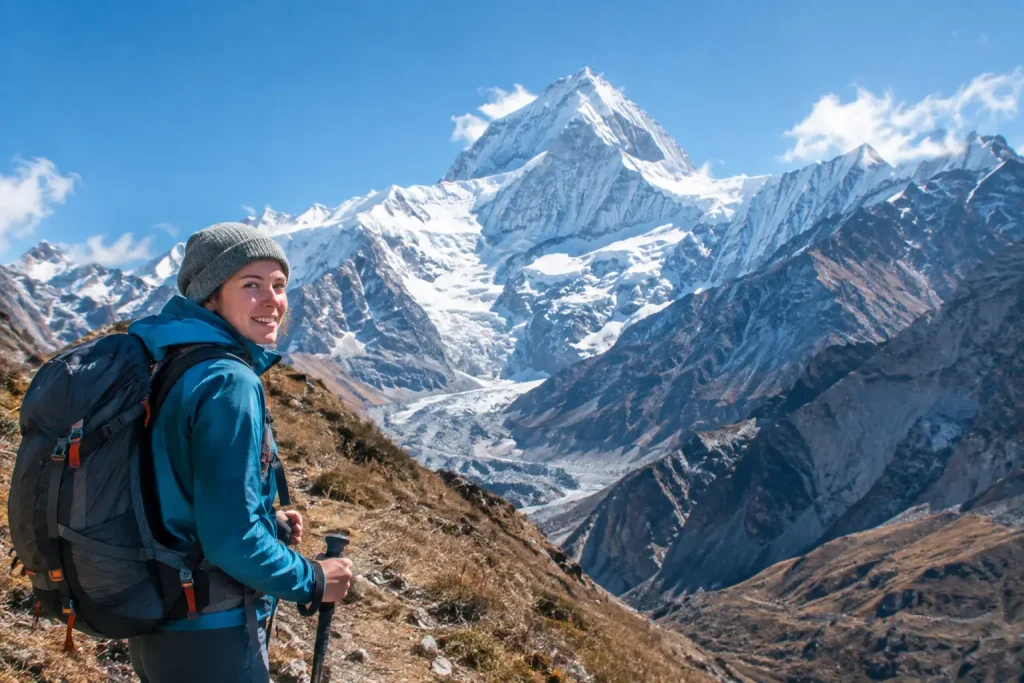
A headache at 12,000 feet can turn a long-awaited Nepal trek into a difficult decision: rest, continue, or descend. Altitude headache prevention is not about finding the right painkiller at a teahouse. It begins with an itinerary that allows your body to acclimatize, then depends on conservative pacing and an honest response to symptoms.
For trekkers on routes such as the Langtang Trek, Gokyo Lakes Trek, Mardi Himal Trek, Pikey Peak Trek, and Poon Hill Trek, altitude exposure varies widely. A rapid rise to a high overnight sleeping elevation carries much more risk than a strenuous day at a lower altitude. Understanding that difference helps you prepare for a safer and more enjoyable trek.
Why Altitude Causes Headaches
At higher elevations, air pressure drops and each breath provides less oxygen than it does at sea level. Your body responds by breathing faster, increasing heart rate, and gradually changing how it manages fluids and oxygen delivery. Those adjustments take time.
A headache is one of the most common early symptoms of acute mountain sickness, often called AMS. It can feel like pressure across the forehead or behind the eyes, and it may worsen overnight or with exertion. Headache alone does not automatically mean a dangerous illness, but a new headache after gaining altitude should always be treated as an altitude-related warning until another cause is clear.
Dehydration, poor sleep, alcohol, skipped meals, caffeine withdrawal, sun exposure, and neck tension can also contribute. The key point is that these factors can make an altitude headache worse, but they do not remove the need to assess acclimatization. Do not assume a headache is harmless simply because you drank too little water.
Altitude Headache Prevention Starts With Your Itinerary
The strongest preventive tool is a sensible ascent schedule. Fitness helps you walk longer and recover better from demanding days, but it does not make someone immune to altitude illness. A very fit trekker who ascends too quickly can become ill just as readily as a slower walker.
Once you are above roughly 10,000 feet, avoid raising your sleeping elevation by more than about 1,000 to 1,600 feet per night when possible. Add a rest or acclimatization day after every 3,000 feet of sleeping elevation gained. Himalayan itineraries do not always follow these numbers perfectly because villages and lodges sit at fixed elevations, but the principles remain useful.
An acclimatization day should not always mean staying in bed. A common approach is to hike gradually higher during the day, then return to sleep at a lower elevation. This is often described as climb high, sleep low. Keep the hike easy enough that it supports adaptation rather than creating exhaustion.
When comparing Nepal treks, look beyond total trekking days. Ask where you sleep each night, how quickly the route rises after the roadhead or flight, and whether the schedule includes a genuine buffer day. A shorter itinerary may look efficient, but it can leave little room to slow down when headaches or bad weather appear.
Pace Yourself From the First Day
Many altitude problems begin with an unnecessarily hard first ascent. Trekkers arrive excited, fresh, and eager to reach the next village quickly. At elevation, that effort can create heavy breathing, fatigue, and poor recovery before the body has started acclimatizing.
Use a pace at which you can speak in short sentences without gasping. On steep terrain, take smaller steps and maintain a steady rhythm rather than pushing hard between breaks. Slow walking is not a sign that you are unfit. On a high-altitude trek, it is a deliberate safety strategy.
Keep breaks brief and regular. Long stops can make you cold, while rushing to make up time can increase strain. A capable guide will set a measured pace, but independent trekkers need to be especially disciplined when a group moves at different speeds.
Hydration, Food, and Sleep Matter
Drink consistently throughout the day, using thirst and urine color as practical guides. Pale yellow urine generally suggests reasonable hydration. Clear urine all day is not a goal, and forcing excessive water can be harmful. Your needs rise with dry air, sun, physical effort, and diarrhea, so carry enough water and treat or purify it reliably.
Eat regular meals even when appetite drops. Carbohydrate-rich foods are often easier to tolerate at altitude and provide useful energy for long walking days. Warm soups, rice, potatoes, noodles, bread, and porridge are common teahouse options. Avoid treating a lack of appetite as a reason to skip dinner after a demanding ascent.
Sleep often becomes lighter at elevation, particularly during the first nights at a new height. This is frustrating but common. Protect your sleep by staying warm, using earplugs if lodge noise is a problem, and avoiding late caffeine. Alcohol deserves special caution: it can worsen dehydration, disrupt sleep, and make it harder to recognize progressing symptoms. The safest choice during ascent is to avoid it.
Medication Can Help, but It Cannot Replace Acclimatization
Acetazolamide is commonly used to help prevent altitude illness for people following a rapid ascent or with a prior history of AMS. It works by supporting the body’s acclimatization response, but it is not a license to follow an unsafe schedule. A clinician should advise you on whether it is appropriate, the correct dose, timing, allergy considerations, and possible side effects.
Over-the-counter pain medicines may relieve a mild headache, but they can mask a symptom that should guide your decisions. If medication improves the pain while nausea, unusual fatigue, dizziness, or poor coordination continue, do not use the temporary relief as proof that it is safe to ascend.
Never borrow prescription medication from another trekker. Your medical history, other medications, allergies, and symptoms all matter. Discuss altitude plans with a travel medicine professional before leaving home, especially if you have heart, lung, kidney, or neurological conditions.
Know When a Headache Means Stop
A mild headache that improves with rest, fluids, food, and no further ascent may be manageable, particularly if there are no other symptoms. The correct response is to pause, monitor closely, and remain at the same sleeping elevation. Do not ascend until the headache has resolved and you feel well.
A headache accompanied by nausea, vomiting, loss of appetite, unusual weakness, dizziness, or poor sleep may indicate AMS. In that situation, stop gaining elevation. If symptoms worsen or do not improve, descend with a companion or guide. Descent is the most reliable treatment.
Severe headache, confusion, stumbling, difficulty walking a straight line, shortness of breath at rest, persistent cough, or chest tightness are emergency signs. They can indicate high-altitude cerebral edema or high-altitude pulmonary edema, both potentially life-threatening conditions. Descend immediately, seek medical help, and use supplemental oxygen or a portable altitude chamber if trained staff and equipment are available. Never leave an unwell trekker alone.
Build Flexibility Into Your Nepal Trek
Weather delays, flight disruptions, and slow acclimatization are normal realities in the Himalaya. Add extra days at the end of your trip rather than scheduling an international flight home immediately after your trek. This gives you room to take a rest day without feeling pressured to continue while unwell.
Choose a route and itinerary that match your experience, available time, and comfort with sleeping at altitude. Poon Hill is often a better first Himalayan trek than a fast, high itinerary to Gokyo, while Mardi Himal can still involve rapid elevation gain if the schedule is compressed. Route names alone do not determine risk. The daily plan does.
Before departure, train for sustained uphill walking, practice using your trekking gear, and arrange travel insurance that covers high-altitude trekking and emergency evacuation. Preparation will not eliminate altitude risk, but it gives you more capacity to make calm decisions when conditions change.
The most successful Himalayan trekkers are rarely the ones who push hardest. They are the ones willing to walk slowly, take an extra night when needed, and treat a headache as useful information from the mountain rather than an obstacle to ignore.