
Many trekkers worry more about trail difficulty than altitude, but on the Langtang route, elevation is often the bigger issue. Altitude sickness Langtang Trek concerns are real because the trail gains height quickly after Syabrubesi, and many people reach Kyanjin Gompa before their body has fully adjusted.
The good news is that Langtang is very manageable for most trekkers who walk at the right pace, hydrate properly, and respect early symptoms. The bad news is that people sometimes treat Langtang as an easier or shorter Himalayan trek and underestimate the altitude. That is where problems begin.
How serious is altitude sickness on the Langtang Trek?
Altitude sickness on the Langtang Trek should be taken seriously, but it should not scare you away from the route. The classic Langtang Valley trek usually starts low enough to feel comfortable, then climbs steadily through Lama Hotel, Langtang Village, and Kyanjin Gompa. Most trekkers sleep around 3,870 meters at Kyanjin Gompa, and many also hike higher to Kyanjin Ri or Tserko Ri, where altitude stress becomes much stronger.
For many people, symptoms begin above 2,500 to 3,000 meters. That means you may feel completely fine in the early days and then notice headache, poor sleep, appetite loss, or unusual tiredness as you approach Langtang Village or Kyanjin. This is normal terrain for mild altitude symptoms, but it is not terrain where you should ignore them.
Langtang does not reach Everest Base Camp sleeping heights, yet it still goes high enough for Acute Mountain Sickness, or AMS, to affect fit and experienced trekkers. Physical fitness helps with endurance, but it does not make you immune to altitude.
Why Langtang causes altitude problems faster than some trekkers expect
The main issue is the speed of ascent. The route is relatively short, and many itineraries move upward quickly because trekkers want to finish within a limited number of days. From Syabrubesi at around 1,460 meters, you can be sleeping close to 3,900 meters within three trekking days if the plan is aggressive.
That pace is where trouble starts. Your body needs time to adapt to lower oxygen levels. If you gain sleeping altitude too quickly, your risk increases even if the trail itself feels straightforward.
Another factor is side hikes. Many trekkers reach Kyanjin Gompa and feel excited to climb Kyanjin Ri or Tserko Ri the next morning. These are beautiful viewpoints, but they take you much higher than your sleeping altitude. If you already have a mild headache or poor appetite, pushing for a viewpoint can make the situation worse.
Cold weather, dehydration, and poor sleep also add to the problem. In the Himalayas, people often drink less water than they should because it is cold. That can make altitude symptoms feel stronger and recovery slower.
Common symptoms to watch for
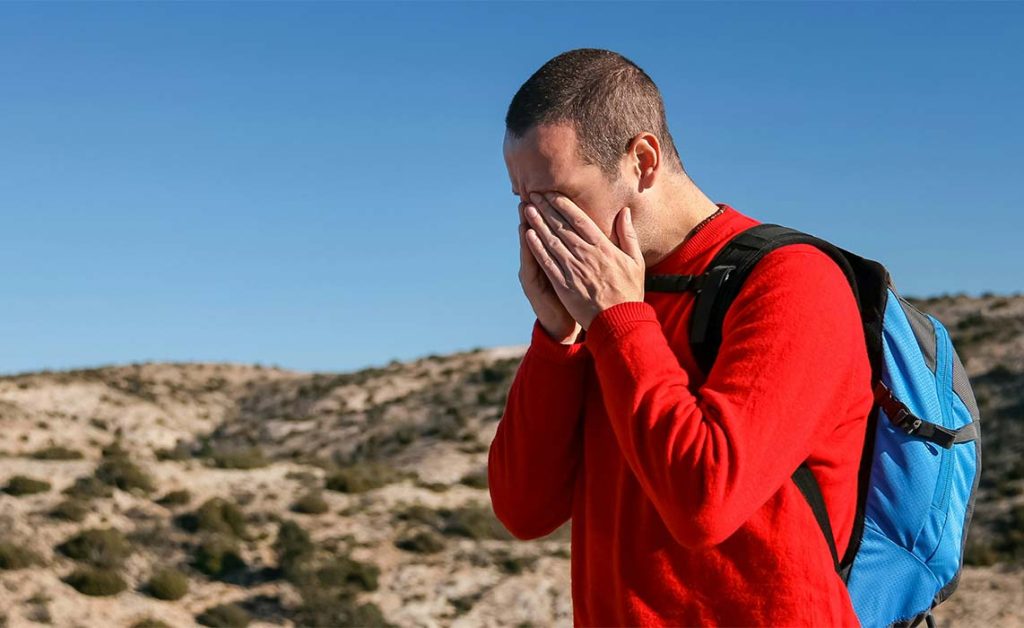
The first signs are usually mild, and that is exactly why they get ignored. A small headache after arrival at a higher lodge may seem harmless. Sometimes it is harmless. Sometimes it is your first warning.
Watch for headache, nausea, dizziness, loss of appetite, unusual fatigue, disturbed sleep, and feeling short of breath even when resting. Mild AMS often feels like a hangover combined with tired legs. If symptoms stay mild and do not worsen, extra rest, hydration, and slow movement may be enough.
More serious warning signs need immediate attention. These include difficulty walking straight, confusion, extreme weakness, breathlessness at rest, chest tightness, or a wet cough. These can suggest dangerous high-altitude complications and should never be treated as something to push through.
Where altitude sickness usually starts on this route
Most trekkers do not have major issues on the first day from Syabrubesi to Lama Hotel, although the climb is steady and tiring. The risk starts to become more noticeable as you move toward Langtang Village at around 3,430 meters and then Kyanjin Gompa at around 3,870 meters.
For some, the first real symptoms appear in Langtang Village. For others, they appear only after arriving in Kyanjin Gompa. Even if you feel strong at Kyanjin, the early morning climb to Kyanjin Ri or Tserko Ri can trigger symptoms because of the rapid gain in altitude.
This is why a smart itinerary matters more than confidence. Feeling good yesterday does not guarantee you will feel good tomorrow at a higher elevation.
How to reduce your risk of altitude sickness Langtang Trek problems
The best prevention is not a medicine. It is your itinerary. A route with enough time for acclimatization lowers the risk more than any shortcut plan. If possible, avoid rushing from Syabrubesi to Kyanjin in the minimum number of days.
A good approach is to walk steadily, sleep low when possible, and consider an extra acclimatization day if your schedule allows it. At Kyanjin Gompa, many trekkers benefit from spending an additional night before pushing to higher viewpoints. This gives the body more time to adapt and also makes the trek more enjoyable.
Hydration matters, but it is often misunderstood. You do not need to force excessive water. You do need to drink consistently throughout the day so you are not arriving at the lodge already dehydrated. Warm soups, tea, and regular water intake help. Alcohol is best avoided at altitude because it can worsen dehydration and affect sleep.
Food also plays a practical role. Appetite often drops at higher elevations, but skipping meals makes you weaker and less able to cope with altitude. Eat enough, even if that means simple foods like dal bhat, porridge, soup, potatoes, or noodles.
Pacing is another big factor. On steep forest sections and long climbing days, many trekkers start too fast. A slow, even rhythm is better than repeated bursts of speed followed by long rest stops. Trekking in Nepal often rewards patience more than power.
Should you take Diamox?
Diamox can help with acclimatization, and many trekkers use it on Himalayan routes. It is not a substitute for a sensible ascent profile, but it may reduce the risk of AMS for some people, especially those with a previous history of altitude problems or those on tighter itineraries.
That said, Diamox is not for everyone. Some people experience tingling in the fingers, increased urination, or other side effects. You should speak with a qualified medical professional before your trek if you are considering it. If you choose to carry it, know how and when to use it before you are on the trail.
Many trekkers ask whether they should start Diamox only if symptoms appear. In practice, it is more often used preventively or at the first sign that acclimatization is not going well. But if symptoms are getting worse, medication should not replace descent.
What to do if symptoms appear
If you develop a mild headache and feel a little off after reaching a higher stop, do not panic. Rest, hydrate, eat something, and avoid climbing higher that day. Monitor whether symptoms improve, stay the same, or get worse.
If symptoms remain mild and improve with rest, you may be able to continue carefully the next day. If symptoms persist or worsen, the safest choice is to stop ascending. If they continue to get worse despite rest, descend.
This is the rule that matters most in the mountains: never go higher with worsening altitude symptoms. Trekkers get into trouble when they try to “test it” with another ascent.
If you see severe symptoms like confusion, poor balance, severe breathlessness, or chest symptoms, descend immediately and get help. A guide can make a major difference here because altitude decisions are harder when you are tired, cold, or not thinking clearly.
Is Langtang safe for first-time high-altitude trekkers?
Yes, for many people it is. Langtang is often a good introduction to trekking in Nepal because the route is accessible, scenic, culturally rich, and less crowded than some other major regions. But first-time trekkers should not mistake that for a low-altitude walk.
If this is your first Himalayan trek, choose an itinerary that gives you proper acclimatization time. Be honest about your pace, avoid pressure to keep up with stronger walkers, and treat Kyanjin side hikes as optional, not mandatory. Reaching the valley safely is always better than forcing a summit-style mindset onto a trekking route.
With proper planning, most trekkers enjoy Langtang without serious altitude issues. The mountain is not asking you to be fearless. It is asking you to pay attention. That simple habit usually makes the difference between a hard but rewarding trek and one that turns risky too quickly.

