
If you are wondering, can beginners do Langtang trek, the short answer is yes. Langtang is one of the better Himalayan treks for first-time trekkers because it is shorter than Everest Base Camp, less demanding than many remote camping routes, and still gives you real mountain scenery, local culture, and high-altitude trekking experience. But beginner-friendly does not mean easy. You still need to deal with long walking days, steep climbs, basic teahouse conditions, and altitude.
That is the honest way to look at Langtang. For a reasonably fit beginner with enough time, sensible pacing, and proper preparation, it is very achievable. For someone who never hikes, ignores altitude, or tries to rush the itinerary, it can feel much harder than expected.
Check: Langtang Valley trek itinerary
Can beginners do Langtang trek safely?
Yes, most beginners can do the Langtang Trek safely if they choose a realistic itinerary and treat altitude with respect. The classic route usually starts after a drive to Syabrubesi and follows the Langtang Valley through Lama Hotel, Langtang Village, and Kyanjin Gompa. Many trekkers also hike to Kyanjin Ri or Tserko Ri for views, which is where the difficulty increases.
The main route itself is not technical. You do not need climbing skills, ropes, or mountaineering experience. The trail is established, the teahouse network is available on the standard route, and the daily walking hours are manageable for many first-timers. That makes a big difference.
What makes Langtang challenging is not the trail surface alone. It is the combination of altitude, back-to-back walking days, and uphill sections that feel much tougher once you are above 3,000 meters. Many beginners are surprised that even a moderate trek becomes hard when the air gets thinner.
What makes Langtang a good first trek?
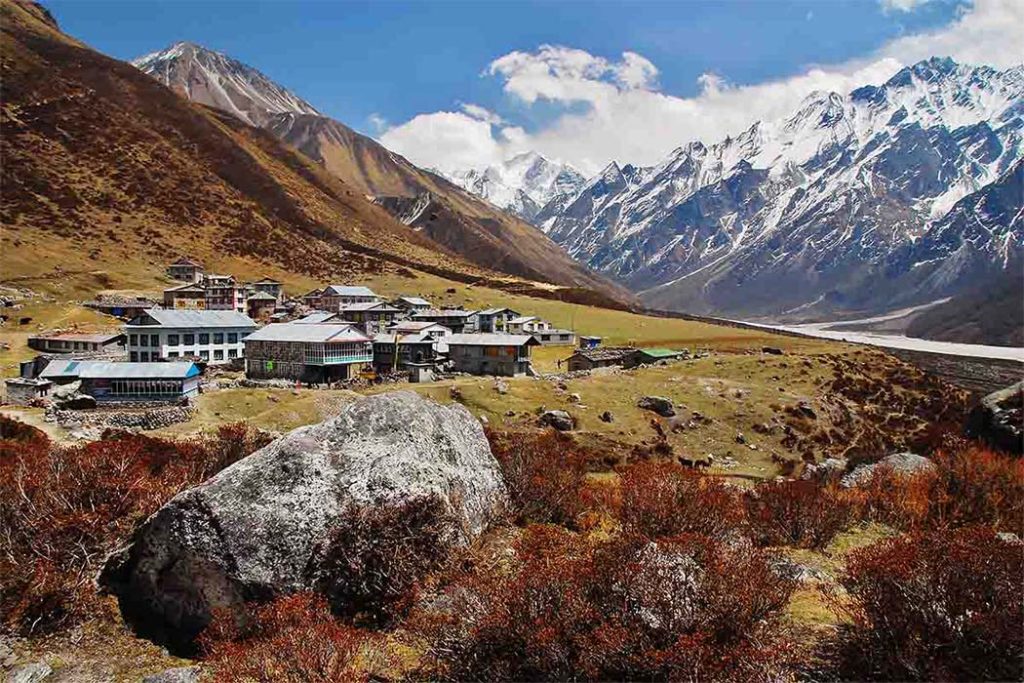
Langtang works well for beginners because it gives a strong Himalayan experience without requiring a very long expedition schedule. Compared with some of Nepal’s more famous routes, it is relatively accessible and can be completed in around 7 to 10 days depending on your pace and side hikes.
It also has good variety. You pass through forests, riverside trails, mountain villages, yak pasture, and wide alpine landscapes as you move higher into the valley. That changing scenery helps the trek feel rewarding early on, even before you reach the main viewpoint.
Another reason beginners like Langtang is that the route is straightforward. You are not dealing with constant route confusion on the classic itinerary, and overnight stops are well known. If you trek with a guide, the logistics become even simpler, which removes a lot of stress for first-time visitors to Nepal.
Where beginners usually struggle
The biggest issue is altitude, not distance. Kyanjin Gompa sits around 3,870 meters, and side hikes go much higher. Even if you are strong at sea level, altitude can slow you down, reduce your appetite, affect your sleep, and leave you tired with headaches.
The second challenge is the daily climb. Some trail sections are steep, especially between Syabrubesi and Lama Hotel, and again as you gain elevation in the upper valley. These are not dangerous climbing sections, but they can feel relentless if your legs are not used to long uphill walking.
The third challenge is comfort level. Teahouse trekking in Langtang is much more comfortable than remote camping treks, but it is still basic. Rooms are simple, showers may be limited, charging often costs extra, and the cold becomes more noticeable at higher elevations. Beginners who expect hotel-style comfort can feel mentally tired before they feel physically tired.
How fit should a beginner be?
You do not need to be an athlete, but you should be able to walk for 5 to 7 hours a day on uneven trails for several days in a row. That is a better benchmark than gym strength alone. Strong legs help, but endurance matters more.
A beginner who exercises regularly, walks often, and can handle stairs or hill hikes will usually adapt well. A beginner who is generally healthy but inactive can still do Langtang, though training beforehand will make the trek safer and more enjoyable.
The best preparation is simple. Spend a few weeks building steady cardio, walking uphill, and carrying a daypack. If you can do long walks on consecutive days without feeling wrecked, you are moving in the right direction. You do not need extreme training, but you do need consistency.
Is Langtang easier than Everest or Annapurna?
For many first-time trekkers, yes. Langtang is generally considered easier than Everest Base Camp because it is shorter, has lower overall trekking duration, and usually involves less cumulative fatigue. It can also feel more manageable than longer Annapurna routes such as Annapurna Circuit.
That said, comparisons only go so far. A short trek at high altitude can still be difficult if you go too fast. Some beginners find Langtang harder than expected simply because they assume a shorter route means minimal challenge. In the Himalayas, altitude changes that calculation.
If your choice is between doing no trek at all or starting with a classic Nepal route that is scenic, non-technical, and realistic for a beginner, Langtang is a strong option.
Best itinerary choice for beginners
A rushed itinerary is the most common mistake. If you are new to trekking, give yourself enough days to walk at a steady pace and rest when needed. A beginner-friendly Langtang itinerary usually includes gradual overnight stops and at least one extra night at Kyanjin Gompa.
That extra night matters. It helps with acclimatization and gives you flexibility for a viewpoint hike without pushing your body too hard. If the weather is poor or you feel tired, you can adjust instead of forcing a long day.
Trying to finish the trek too quickly increases the chance of altitude problems and turns a beautiful route into a test of endurance. Beginners enjoy Langtang far more when they walk slowly and keep some margin in the plan.
Should beginners do Langtang independently or with a guide?
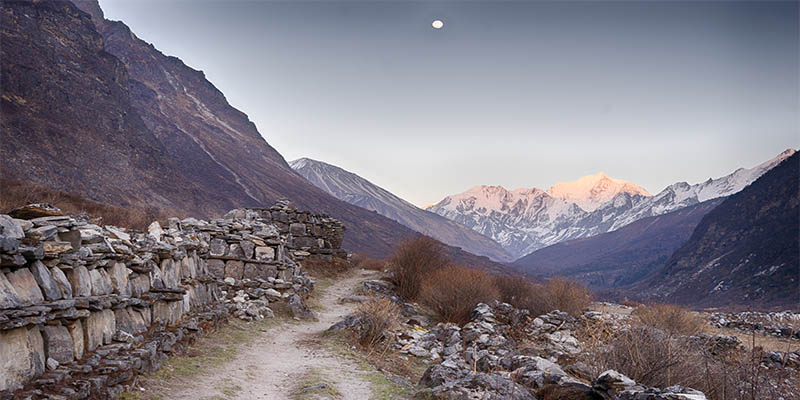
Some beginners do the Langtang Trek independently, but going with a guide is often the better choice for a first Himalayan trek. A guide helps with pacing, accommodation, local communication, route judgment, and early signs of altitude issues. That support is valuable when you are dealing with an unfamiliar environment.
This is not just about navigation. In the mountains, small decisions matter – when to slow down, when to drink more, when to stop ascending, and when a headache is normal fatigue or a warning sign. Experienced local guidance reduces guesswork.
For many first-timers, having a guide also makes the trek more enjoyable. You can focus on walking, observing the landscape, and understanding the local area instead of worrying about every practical detail.
What to pack if you are a beginner
Packing too much is a common beginner mistake. Heavy bags make every uphill section harder. The goal is not to prepare for every possible scenario. It is to bring what you truly need for mountain weather and changing temperatures.
Warm layers, a waterproof outer shell, broken-in trekking shoes, sun protection, a refillable water bottle, and basic personal medication are the essentials. A sleeping bag can be useful in colder months, especially at higher stops. Trekking poles also help many beginners, especially on descents.
Just as important, avoid brand-new gear on the trek. New shoes, unfamiliar backpacks, and untested clothing often create avoidable discomfort.
Best season for beginners
Spring and autumn are the best seasons for most beginners. In these months, the weather is usually more stable, the skies are often clearer, and trail conditions are more favorable. That makes the whole experience easier to manage.
Winter trekking is possible, but cold temperatures and snow can make a beginner’s first trek more demanding. Monsoon season brings rain, muddy trails, and cloud cover, which can reduce visibility and increase discomfort.
If this is your first Himalayan trek, choosing the right season is one of the easiest ways to improve your experience without needing extra fitness.
A realistic answer to the difficulty question
Can beginners do Langtang trek? Yes, if they come with realistic expectations. It is a moderate trek, not a casual walk. You will earn the views. Your legs will feel the climbs. The altitude will probably slow you down.
Still, that is exactly why Langtang works so well for many first-timers. It gives you a genuine mountain journey without demanding technical skills or an overly long commitment. If you prepare your body, choose a sensible itinerary, and respect the pace the mountains require, Langtang can be one of the most rewarding ways to begin trekking in Nepal.
If you are still unsure, think of it this way: you do not need to be an expert to trek Langtang, but you do need to be honest about your fitness, open to walking slowly, and willing to let the mountain set the rhythm.

