
Some treks are remembered for the mountain views. Langtang is different. The villages on the Langtang trail are a big part of what makes this route feel personal, grounded, and memorable. You do not just walk through scenery here. You move through living settlements shaped by Tibetan Buddhist culture, yak herding, mountain trade, rebuilding after disaster, and the steady rhythm of trekking life.
For many trekkers, Langtang feels more intimate than Everest or Annapurna. The valley is narrower, the settlements are closer to the trail, and daily life is easier to notice. That matters when you are planning the trek. Knowing where the villages are, how far apart they sit, what kind of accommodation to expect, and how the altitude changes from one stop to the next helps you build a safer and more comfortable itinerary.
Why the villages matter on the Langtang route
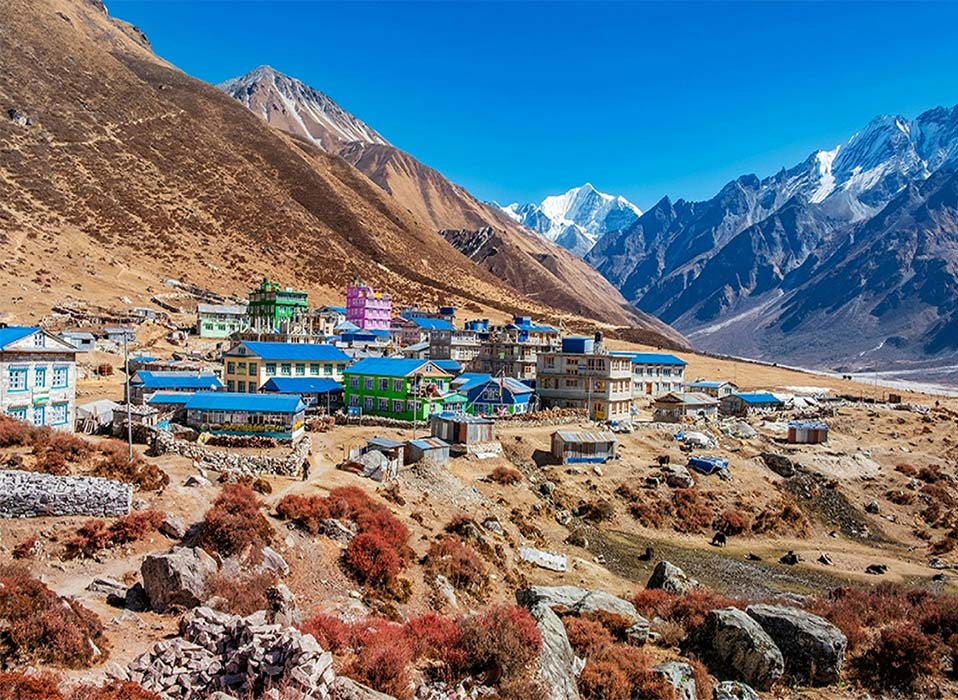
On the Langtang trek, villages are not just overnight stops. They shape the pace of the walk, your acclimatization, your access to food and shelter, and your experience of local culture. In practical terms, most trekkers move from village to village rather than camping, so your itinerary depends on these settlements.
The route also passes through communities that were deeply affected by the 2015 earthquake. Many lodges and homes were rebuilt, and trekking has continued to support local livelihoods. That gives the Langtang Valley trek a different emotional dimension. You are not passing through empty mountain terrain. You are walking through places where people rebuilt their communities and continue to welcome trekkers.
Main villages on the Langtang trail
Syabrubesi
Syabrubesi is the usual starting point for the Langtang Valley trek. Most trekkers arrive here by road from Kathmandu before beginning the trail the next morning. It is lower in altitude than the villages higher up the valley, so it works well as a transition point before trekking starts.
This is more of a roadside trekking hub than a traditional high mountain village, but it is important for logistics. You will find guesthouses, shops, basic supplies, and places to eat. If your transport is delayed or you need to reorganize gear, Syabrubesi is the place to do it. For some trekkers, an extra night here is useful after the long drive.
Lama Hotel
Lama Hotel is often listed among the stops on the route, although it is better understood as a cluster of lodges in the forest rather than a large village. The trail from Syabrubesi climbs through bamboo and rhododendron forest, and many trekkers spend the first night here.
It is a practical stop because it breaks up the ascent and keeps the first day manageable. You are still in a wooded section of the valley at this point, and the atmosphere feels very different from the open alpine landscape higher up. Accommodation is simple but usually comfortable enough for a trekking night, with common dining halls and basic rooms.
Ghodatabela
It is a smaller trail settlement rather than a major village, but it matters when judging daily walking distances. Ghodatabela is an established resting point with lodges and an army check post area. As the forest begins to open, many trekkers get their first broad mountain views here.
Ghodatabela is sometimes used as an overnight stop, especially by slower walkers or those building in a more gradual acclimatization plan. If you are trekking in poor weather or outside the busier seasons, it can also become a useful flexible stop.
Thangsyap
Thangsyap is a small village that comes after Ghodatabela. It does not always get much attention in short trek descriptions, but it plays a role in the valley’s flow. Some trekkers pass through without stopping long, while others use it as a lunch or overnight point depending on pace.
The settlement gives a clearer sense that you are entering the upper Langtang Valley community zone. The terrain is more open now, and the architecture begins to feel more distinctly tied to the high Himalayan environment.
Langtang Village
Langtang Village is one of the most important places on the route, both practically and emotionally. Before the earthquake, it was a major settlement in the valley. The disaster destroyed much of the village and caused terrible loss of life. The rebuilt village stands as a reminder of both tragedy and resilience.
For trekkers, Langtang Village is a common overnight stop and one of the key places for acclimatization awareness. By the time you reach it, the altitude is starting to matter more. Many people feel the thinner air here for the first time, especially if they climbed quickly from lower elevations.
The village now has trekking lodges, meals, and basic services, but expectations should stay realistic. This is still a remote mountain settlement. Comfort improves year by year, but facilities remain simple compared with lower regions. What makes the stop meaningful is the setting and the sense of community, not luxury.
Mundu
Mundu sits near Langtang Village and is sometimes used as an alternative overnight stop. Depending on the itinerary and lodge availability, some trekkers stay here instead of in Langtang Village itself. In route descriptions, the two are often mentioned together because they are close.
If you are planning your walking days carefully, it helps to know that stopping in Mundu can slightly spread out the distance toward Kyanjin Gompa. That may not sound significant on paper, but small adjustments can make a day feel much easier at altitude.
Sindum and Yamphu area
These are smaller settlements and grazing areas that many trekkers pass without thinking of them as major stops. Still, they are part of the broader human landscape of the valley. Stone walls, yak pastures, prayer flags, and seasonal movement all reflect how people use this high terrain beyond the main lodge villages.
For trekkers who enjoy understanding a route rather than only completing it, these in-between places are worth noticing. They show that the Langtang Valley is not just a line on a trekking map. It is a lived-in mountain corridor.
Kyanjin Gompa
Kyanjin Gompa is usually the highest overnight village on the standard Langtang Valley trek and the turning point for most itineraries. It is one of the most rewarding settlements in the region, set beneath dramatic peaks with wide views and access to side hikes such as Kyanjin Ri or Tserko Ri.
Despite the name, Kyanjin Gompa is both a religious and trekking center. There are lodges, bakeries in some seasons, yak cheese facilities, and a calmer high-altitude atmosphere than you find lower down. Many trekkers spend at least two nights here, which is a good decision. It gives your body time to adjust and gives you the chance to explore the area properly rather than rushing back down.
What to expect in these Langtang trail villages
Accommodation on the Langtang route is mostly in teahouses or trekking lodges. Rooms are usually basic, with twin beds, blankets, and shared toilets in many places. The dining room is often the warmest and most social space. As you gain altitude, comfort becomes simpler, prices rise, and menu choices narrow.
Food is usually straightforward trekking fare: dal bhat, noodles, fried rice, soup, potatoes, eggs, pancakes, tea, and coffee. Higher villages may have fewer fresh ingredients because everything is carried in or transported by mule. That does not mean the food is bad, but flexibility helps.
Electricity, charging, hot showers, and internet may be available in some villages, though not always consistently. Weather, season, and local conditions affect what works on a given day. Trekkers who arrive expecting full connectivity often end up frustrated. It is better to treat these as possible extras, not guarantees.
Culture and identity in the Langtang Valley villages
The villages in Langtang reflect strong Tamang and Tibetan Buddhist cultural influence. You will see mani walls, chortens, prayer wheels, monasteries, and stone-built homes that fit the high mountain climate. These are not staged cultural displays for tourism. They are part of everyday life.
That is one reason Langtang feels so distinct. Even on a relatively short trek, you experience a real mountain community pattern. Respect matters here. Dress modestly in villages, walk respectfully around religious monuments, and ask before photographing people closely.
Planning your stops wisely
Most trekkers do best by keeping a moderate pace: Syabrubesi to Lama Hotel, then to Langtang Village, then to Kyanjin Gompa. That is a common structure, but it is not the only one. Strong walkers may move faster, while others benefit from splitting the middle section more gently.
The main trade-off is time versus acclimatization. The route is not technically difficult for most fit trekkers, but altitude can affect anyone. If you feel rushed, have limited mountain experience, or are prone to headaches at elevation, adding flexibility between villages is the smarter choice.
The season also changes how the villages feel. In spring and autumn, lodges are busier and the trail has more energy. In winter, the valley can be beautiful and quiet, but cold conditions may reduce service in higher places. During the monsoon, clouds, rain, and leeches in the lower forest can make the trail less comfortable, though Langtang still receives trekkers.
If you are choosing this trek for both scenery and cultural experience, do not think only in terms of reaching Kyanjin Gompa. Pay attention to the villages on the Langtang trail along the way. They are what give the valley its human character, and for many trekkers, that becomes the part they remember longest.

