
Running short of cash in the mountains is one of the easiest ways to turn a good trek into a stressful one. When trekkers ask about ATMs on Langtang Trail, the short answer is simple: do not expect dependable access to cash once you leave Kathmandu.
Langtang is one of Nepal’s most rewarding treks, but it is still a remote Himalayan route. Tea houses, small shops, local transport, snacks, charging, hot showers, and emergency extras are usually paid in cash. Card payment is rarely available, and even where mobile payment exists in theory, it should not be part of your trekking plan. If you are heading toward Syabrubesi, Lama Hotel, Langtang Village, Kyanjin Gompa, or combining the route with Gosainkunda, cash planning matters more than many first-time trekkers expect.
Are there ATMs on Langtang Trail?
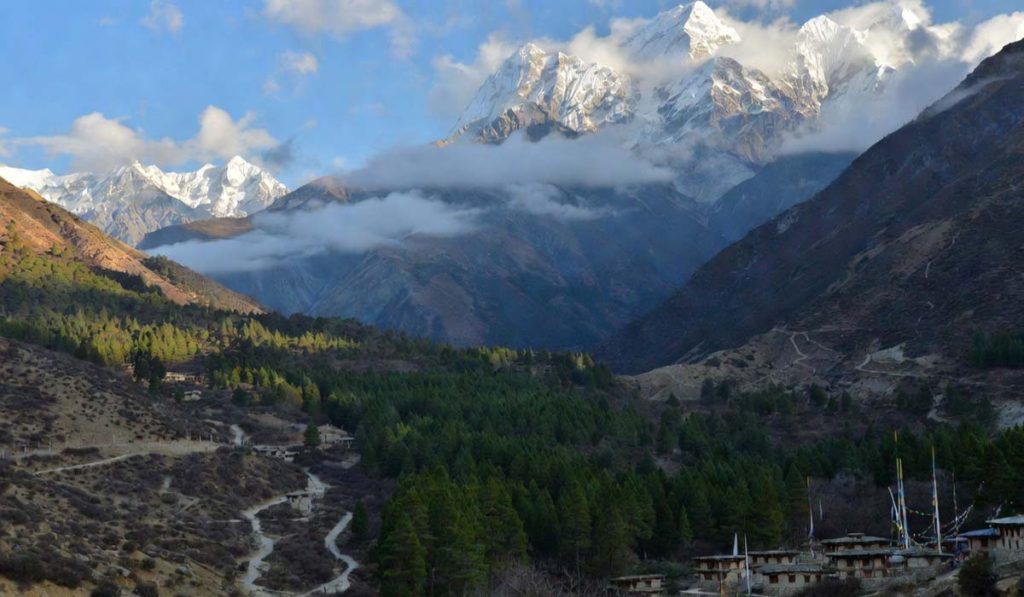
In practical terms, there are no reliable ATMs on the Langtang trek route. You should not count on finding a working ATM in the villages where most trekkers spend the night.
Before the trek, you may find banking access in Kathmandu, and in some cases limited financial services in larger road-connected towns. But once you begin the main trail, ATM access is either nonexistent or too uncertain to be trusted. Machines can be unavailable, out of cash, offline, or affected by power and network issues. In mountain regions of Nepal, even if someone mentions an ATM, that does not mean it will work when you need it.
That is why experienced guides usually advise trekkers to withdraw enough Nepalese rupees in Kathmandu before leaving for the trailhead.
Where should you withdraw cash before Langtang?
Kathmandu is the best and safest place to get your trekking cash. The city has many ATMs, banks, and money exchange counters, so you can compare options and withdraw enough before departure. This gives you far more control than waiting until you are closer to the trail.
Some trekkers travel from Kathmandu to Syabrubesi or nearby starting points by road and assume they can handle money on the way. That is not a good backup plan. Road conditions, transport timing, machine outages, and limited services can all create problems. If your withdrawal fails in Kathmandu, you still have time to try another bank or machine. If it fails closer to the trail, your choices become much narrower.
For that reason, it is wise to carry your full estimated trekking budget in Nepalese rupees before you leave the city.
Why cash is essential on the Langtang trek
Langtang is easier to access than some of Nepal’s more remote trekking regions, but services on the trail are still basic. Most tea houses operate on simple systems, and cash remains the standard form of payment.
You will usually need cash for accommodation, meals, drinks, snacks, charging devices, Wi-Fi where available, hot showers, and small shop purchases. If you hire a porter or guide independently and need to settle parts of the payment en route, cash may also be necessary. Transport costs before and after the trek can also change, especially if you switch from bus to jeep or need a last-minute private vehicle.
Another point many trekkers miss is that mountain prices are not static. A plate of food, a bottle of water, or a phone charge costs more as altitude increases because supplies are carried up the trail. Your spending may be higher than expected, especially if weather delays you or you decide to stay an extra night in Kyanjin Gompa.
How much cash should you carry?
The exact amount depends on your trek style. A budget trekker staying in standard tea houses and eating basic meals will spend less than someone ordering extra snacks, drinks, desserts, charging electronics daily, and using paid Wi-Fi often.
For most trekkers, it is smart to calculate your expected daily spending, then add a buffer for delays and comfort expenses. On a typical Langtang Valley trek, many independent trekkers carry enough cash for the full trip plus extra for at least one or two unplanned days. That extra margin matters in the Himalayas, where landslides, road delays, weather changes, or fatigue can extend the itinerary.
If permits, guide fees, transport, or accommodation in Kathmandu are already prepaid, your trail budget will be lower. If not, include those costs separately so you do not mix trekking cash with city spending. Keeping your money organized before departure reduces mistakes later.
What is a realistic cash buffer?
A realistic buffer is not just emergency money for a dramatic rescue scenario. It is also money for ordinary disruptions. You might need a jeep instead of a local bus. You might stay an extra night because you feel the altitude. You might buy warmer clothing, replace gloves, or pay more than planned for food in bad weather.
As a practical rule, many trekkers are more comfortable carrying enough extra cash to cover at least 20 to 30 percent above their planned trail budget. If you are trekking in peak season, when lodges are busier and route logistics are more expensive, a slightly larger buffer makes sense.
The goal is not to carry excessive cash. The goal is to avoid getting trapped by a small shortfall in a place where there is no dependable banking access.
Can you pay by card or phone on the trail?
You should assume no. A few places may say they accept digital payments or cards, especially in road-access areas or lower villages, but this is never something to rely on for your main trekking budget.
Power cuts, weak signal, device issues, and transaction failures are common enough that card payment is not a dependable trekking strategy in Langtang. Even when a lodge owner is willing to accept a transfer, network problems can delay or block the payment. That creates unnecessary tension for both trekkers and hosts.
Cash keeps things simple. In the mountains, simple is usually best.
Tips for carrying cash safely on Langtang Trail
Carrying cash in Nepal’s trekking regions is normal, and with a few basic habits it is manageable. Split your money into two or three places rather than keeping it all in one wallet. Keep your day-use cash separate from your reserve cash so you are not exposing the full amount every time you pay for tea or dinner.
A waterproof pouch or zip bag helps during rain, river crossings, or snowy conditions. Smaller notes are also useful. Tea houses and shops on the trail may not always have enough change for large bills, especially early in the day or in higher villages.
If you are trekking with a porter, keep your essential money, passport, and permits in your own daypack. Do not pack them in the duffel that may be out of your reach during the day.
What if you run out of money during the trek?
If you run out of cash on the Langtang route, your options are limited. In some cases, a lodge owner may allow delayed payment if you are with a guide or agency and your identity is clear, but you should never assume this. Independent trekkers without local support may find this especially difficult.
You might also need to shorten the trek and return sooner than planned. That can mean missing Kyanjin Ri, Tserko Ri, or extra acclimatization days that make the journey more enjoyable. A cash shortage does not just affect comfort – it can affect safety and decision-making.
This is one area where planning ahead matters more than optimism. If you prefer to trek independently, be extra conservative with your cash estimate. If you are booking through an experienced local operator such as Himalaya Wanderer, clarify in advance what is included and what still needs to be paid on the trail.
Best cash strategy for Langtang trekkers
The best strategy is straightforward: withdraw your money in Kathmandu, carry enough Nepalese rupees for the full trek, and add a sensible extra buffer. Do not plan around ATMs, card machines, or mobile payments once you are on the trail.
For most trekkers, the Langtang Valley trek feels refreshingly simple compared with more commercial routes. But that simplicity also means fewer backup systems. Lodges are welcoming, the scenery is outstanding, and logistics are manageable if you prepare properly. Cash is one of those small preparations that makes the whole trek smoother.
If you are standing in Kathmandu the day before departure and wondering whether to withdraw a little more, the safer answer is usually yes. On Langtang, having extra cash in your pocket is far better than needing an ATM that does not exist.

