
Langtang is one of the most rewarding trekking regions in Nepal, but Responsible Langtang Trekking is not only about reaching Kyanjin Gompa or enjoying mountain views. It is about how you travel, who benefits from your visit, how much pressure you place on the trail, and whether your presence helps protect the region instead of quietly damaging it.
That matters more in Langtang than many trekkers realize. This valley has endured loss, rebuilding, and steady change. Tourism supports local livelihoods, yet unmanaged trekking can strain waste systems, forests, water sources, and village life. If you want your trek to be memorable for the right reasons, responsible choices should begin before you arrive in Syabrubesi and continue until you return to Kathmandu.
What responsible Langtang trekking really means
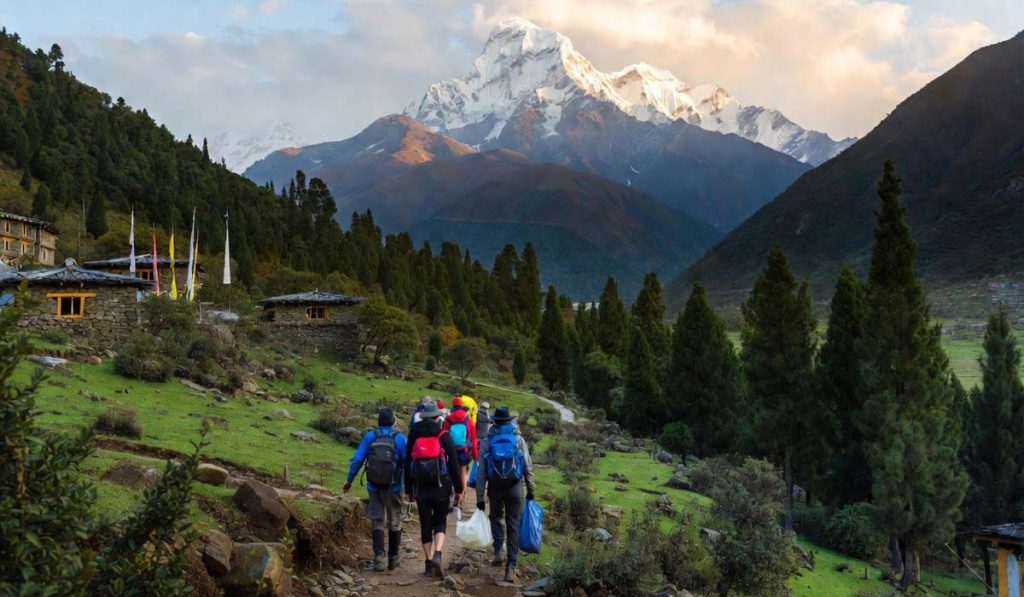
In practical terms, responsible trekking means leaving a lighter footprint while bringing more value to local communities. It includes obvious things like not littering and staying on the trail, but it also goes further. It affects where you sleep, what you buy, how you use water, how you treat staff, and how you respond to local customs.
Many trekkers think being responsible simply means carrying a reusable bottle and avoiding plastic. That is a good start, but it is not the full picture. A trekker who avoids plastic but disrespects local culture, bargains aggressively with small teahouses, or ignores altitude safety is not really traveling responsibly.
Langtang is a teahouse trekking region, which makes responsible travel both easier and more visible. Your spending goes directly into villages. Your behavior is also noticed quickly. Good trekking habits support the people who live there year-round.
Support local communities in a meaningful way
The simplest way to make your trek more responsible is to spend your money where it helps local families most. In Langtang, that usually means using locally run teahouses, eating meals at the lodge where you stay, and hiring licensed local guides or porters through ethical operators.
Some trekkers try to cut costs by bringing too many outside supplies and ordering very little on the trail. Technically that saves money, but it reduces income for the households providing accommodation and maintaining basic services in remote conditions. In the mountains, food and fuel are carried up with effort, and teahouse margins are not as large as many visitors assume.
Hiring local staff also matters. A good guide does more than show the route. They help with pacing, safety, weather judgment, cultural understanding, and logistics if something changes. A porter can reduce your physical strain and make the trek safer and more enjoyable. Responsible travel includes fair treatment of trekking staff, proper clothing, manageable loads, insurance coverage, and respectful communication.
Waste is the most visible problem on the trail
Waste management in mountain regions is never simple. Even in popular trekking areas, disposal systems are limited, transport is difficult, and what trekkers leave behind does not disappear quickly. Plastic bottles, snack wrappers, wet wipes, and used batteries are among the most common problems.
The best approach is to reduce what you bring rather than hoping to dispose of it later. Carry a reusable water bottle or hydration bladder, and use purification tablets, a filter, or boiled water from teahouses. Bring snacks in minimal packaging if possible. Avoid single-use toiletries and unnecessary plastic-wrapped items.
Wet wipes are especially overused on Nepal treks. They seem convenient, but they create a lot of non-biodegradable waste. If you carry them, pack every used wipe out. The same rule applies to sanitary products, blister pads, and small wrappers. If you brought it in, you should be prepared to bring it out.
Respect the trail, forests, and water sources
Langtang’s landscape changes quickly as you gain altitude. You move through forest, river valley, yak pasture, and high alpine terrain in a relatively short time. These environments are beautiful, but they are also sensitive.
Stay on the established trail even when shortcuts look tempting. Cutting switchbacks causes erosion, damages vegetation, and can make trails less stable during rain or after snow. This is a small decision at the individual level, but repeated thousands of times, it becomes a real trail management problem.
Water use also deserves attention. Hot showers are available in many places, but fuel and water are limited higher up. A long hot shower might feel harmless after a hard trekking day, yet in remote villages it comes with a higher environmental cost than most travelers are used to at home. The same applies to frequent towel washing or unnecessary laundry.
Firewood use is another issue. Many lodges now rely partly on gas or other fuels, but forest pressure remains a concern in Himalayan trekking regions. You do not need to lecture anyone about sustainability, but you should understand that heating resources are limited. Use what you need, not more.
Cultural respect is part of responsible Langtang trekking
Langtang is not just a trekking route. It is home to Tamang communities with deep cultural and religious traditions. Monasteries, prayer wheels, chortens, mani walls, and sacred sites are part of daily life, not just scenery for photographs.
Small gestures matter. Walk clockwise around chortens and mani walls when appropriate. Ask before photographing people, especially older residents, monks, or religious spaces. Dress modestly in villages. Keep noise low around monasteries and during early morning or evening village hours.
It is also worth remembering that friendliness does not mean informality in every situation. Respectful greetings, patience, and a little cultural awareness go a long way. If you are unsure, follow your guide’s lead.
There is also a more difficult side to cultural respect: disaster memory. Parts of Langtang were devastated in the 2015 earthquake and avalanche. Many families lost relatives, homes, and businesses. Visitors do not need to avoid the subject completely, but they should approach it with sensitivity. Do not treat local tragedy as a dramatic travel story.
Trek safely so you do not create avoidable risk
Responsible trekking includes personal safety. When trekkers ignore altitude, weather, or fitness limitations, local guides, porters, lodge owners, and rescue systems often carry the burden.
Langtang is considered more accessible than some longer Himalayan treks, but that does not make it risk-free. Altitude sickness can affect anyone. Pushing too quickly from lower villages to Kyanjin Gompa, skipping acclimatization, or attempting side hikes when already unwell is not only risky for you. It can create emergency situations for others.
A responsible pace includes gradual ascent, hydration, rest, and honesty about symptoms. Headache, nausea, unusual fatigue, dizziness, and poor sleep should not be brushed aside. Sometimes the right decision is to stay put for a day. Sometimes it is to descend.
Weather judgment matters too. Trail conditions can change with snow, rain, landslides, or cold winds, especially outside the main trekking seasons. Do not assume that because many people complete the route, conditions will always be straightforward. Local advice should carry more weight than your original plan.
Choose the right season and itinerary
One of the easiest ways to trek more responsibly is to choose a season that fits your ability and expectations. Spring and autumn generally offer the best balance of weather, trail conditions, and teahouse operations. Winter can be beautiful and quieter, but cold temperatures and snow can make the trek more demanding. Monsoon brings greenery but also leeches, rain, cloud cover, and a higher chance of slippery trails or road issues.
Your itinerary also affects your impact. An overly rushed trek usually leads to more transport pressure, more waste from convenience purchases, and less engagement with local places. A realistic schedule gives you time to acclimatize, enjoy the valley properly, and spend more steadily in villages along the route.
If you are planning the trip with an operator, ask clear questions. How are guides and porters treated? Are staff insured? Are group sizes sensible? Is there a plan for waste reduction? Good companies should be able to answer directly, not vaguely.
Small choices that make a big difference
Responsible trekking is usually built from small habits rather than one big gesture. Carrying a refillable bottle, packing out batteries, ordering local meals, using electricity carefully, and speaking respectfully to teahouse owners may seem minor on their own. Together, they shape the kind of tourism Langtang receives.
The same is true with technology. Charging devices, using Wi-Fi for long periods, and expecting constant connectivity all place demands on limited systems. Use what you need, but keep mountain realities in mind. Trekking in Langtang is better when you accept some simplicity.
If you want the most practical standard, ask yourself three questions throughout the trek. Am I reducing unnecessary waste? Am I respecting local people and customs? Am I making decisions that do not create avoidable pressure on the environment or others? If the answer is yes most of the time, you are on the right path.
Langtang gives trekkers close mountain views, rich culture, and a quieter trail experience than some of Nepal’s busier regions. The best way to repay that experience is simple: walk carefully, spend thoughtfully, listen to local knowledge, and leave the valley in better shape than your boots found it.

