
Some treks are famous because they are the highest or the most demanding. Langtang stands out for a different reason. It gives you a real Himalayan trekking experience without requiring the long flight logistics of Everest or the heavy time commitment of more remote routes. If you are asking, “Who is Langtang trek for?” the honest answer is that it suits a wider range of trekkers than many people expect – but not everyone.
Langtang is a good match for travelers who want mountain scenery, Tamang culture, forest trails, high alpine landscapes, and manageable planning. At the same time, it still includes sustained uphill walking, basic teahouse conditions, and enough altitude to take seriously. The best way to judge whether it fits you is not by asking if it is easy or hard in general, but whether its pace, terrain, altitude, and style of trekking match your expectations.
Who is Langtang trek for?
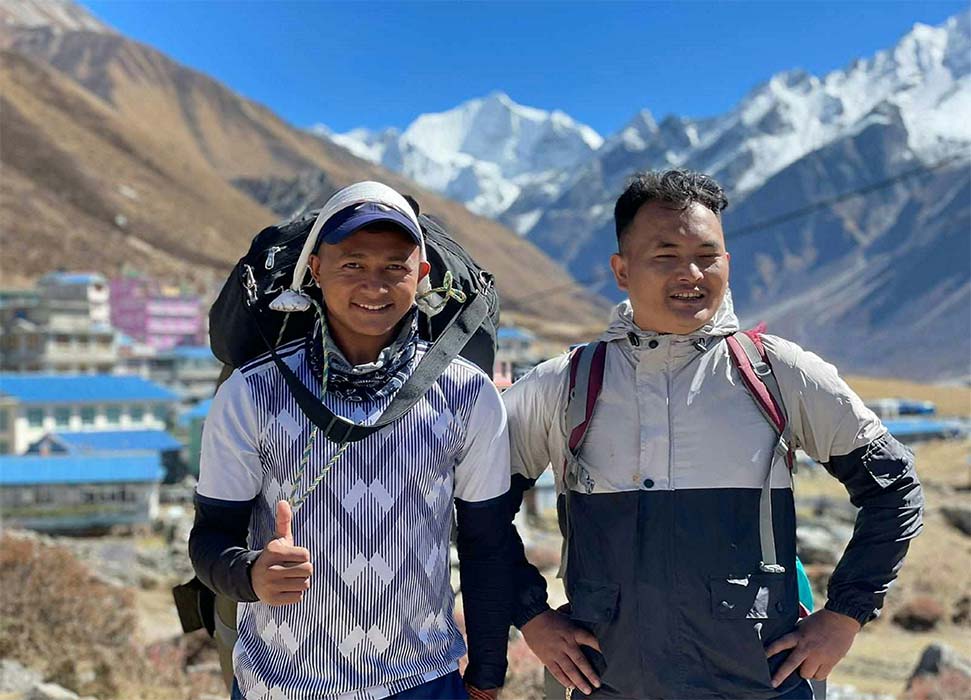
Langtang trek is best for trekkers who want a balanced Himalayan route. It is especially suitable for active beginners with some preparation, regular hikers who want a moderate challenge, and experienced trekkers looking for a shorter Nepal trek with strong scenery and cultural depth.
Most classic Langtang itineraries run about 7 to 10 days on the trail, though some are shorter and some add side trips. That makes it appealing for travelers with limited holiday time. The access is also simpler than many other major trekking regions because the journey usually starts with a drive from Kathmandu rather than a mountain flight.
This trek is often a strong choice for people who want a first multi-day trek in Nepal but do not want to start with the crowds of Annapurna Base Camp or Everest Base Camp. It also suits returning trekkers who have already done those routes and now want a quieter valley experience.
A good choice for first-time trekkers with realistic expectations
Langtang is often described as beginner-friendly, but that needs context. It is beginner-friendly in the Nepal trekking sense, not in the sense of a casual weekend walk. You do not need technical climbing skills, ropes, or prior high-altitude expedition experience. However, you do need to handle several days of walking, repeated ascents and descents, and nights at elevation.
For a first-time trekker in decent health, Langtang can be an excellent introduction to the Himalayas. The trails are generally clear, the teahouse system is established, and the daily walking hours are usually manageable with a sensible itinerary. Many first-time trekkers enjoy the route because it feels adventurous without becoming too complex.
The key condition is preparation. If you are mostly sedentary and hoping to “get fit on the trek,” Langtang may feel much harder than expected. If you already walk regularly, do gym cardio, hike on weekends, or can comfortably manage long active days, you are much more likely to enjoy it.
Well suited to hikers who enjoy variety, not just a single viewpoint
Some trekkers want one iconic destination and are happy to push through busy trails to reach it. Others care more about the overall journey. Langtang tends to appeal strongly to the second group.
The route changes character as you go. Lower sections pass through villages, farmland, and forest. Higher up, the valley opens into wider alpine scenery with mountain views, yak pastures, and exposed ridgelines. Kyanjin Gompa gives the trek a rewarding high-mountain feel, and side hikes to places like Kyanjin Ri or Tserko Ri add extra challenge for those who want it.
If you enjoy a trek that develops day by day, Langtang has a lot to offer. If you only care about checking off the most famous camp or base point in Nepal, you may find other routes more aligned with your goals.
A smart option for travelers short on time
One of Langtang’s biggest strengths is efficiency. You can experience a major Himalayan valley in a relatively short itinerary. That makes it ideal for working professionals, travelers combining trekking with cultural sightseeing, or visitors who want a serious trek but cannot commit two or three weeks.
This does not mean it should be rushed. Altitude still matters, and the side hikes near Kyanjin are part of what makes the trek special. But compared with many classic routes in Nepal, Langtang delivers a lot in a shorter window.
For travelers weighing Everest, Annapurna, and Langtang, this time factor often becomes decisive. If your schedule is tight and you still want a proper trekking experience rather than a quick scenic walk, Langtang is one of the strongest options.
Who may find Langtang challenging
Langtang is not the right fit for everyone. If you strongly dislike basic accommodation, cold nights, simple food options, and shared facilities, you may struggle with the teahouse style. Comfort improves in some places and remains modest in others.
It may also feel difficult for travelers who have never walked for several hours on uneven trails. Even though the route is non-technical, trekking day after day is different from ordinary travel. Knees, ankles, and stamina matter more than many people assume.
Altitude is another filter. The trek reaches above 3,000 meters and commonly includes hikes above 4,000 meters. Many trekkers do well with gradual ascent and proper pacing, but anyone with a history of altitude problems should plan carefully. Langtang is manageable for many people, but it should never be treated casually.
Is Langtang trek good for solo travelers, couples, and small groups?
Yes, Langtang works well for all three, but the experience differs slightly.
Solo travelers often like it because logistics are straightforward and the trail has a good trekking rhythm without feeling overly commercial. A solo trekker who wants independence and time in the mountains may find Langtang very rewarding. Still, going with a guide adds local insight, practical support, and an extra margin of safety, especially if you are new to Nepal trekking.
Couples often enjoy Langtang because it feels scenic and immersive without requiring extreme effort. It creates space for the experience itself – village life, mountain views, monastery surroundings, and quiet afternoons in Kyanjin – rather than feeling like a race to one crowded landmark.
Small groups are also a natural fit. The daily distances are reasonable enough for mixed-ability groups if the itinerary is planned well. That said, if one or two members have very low fitness, the pace can become difficult for everyone.
Can older trekkers and families do Langtang?
Many older trekkers do very well in Langtang if they stay realistic about pace and preparation. Age by itself is rarely the deciding factor. Mobility, cardiovascular fitness, recovery, and altitude tolerance matter much more.
For older travelers who have hiking experience or maintain an active lifestyle, Langtang can be a very satisfying choice. The route does not require technical mountaineering, and with enough acclimatization time it often feels more approachable than people expect.
For families, the answer depends on the children’s age, trekking background, and attitude. Teenagers who already enjoy hiking may do well. Very young children usually need more careful planning, and for some families a shorter lower-altitude trek may be the better first step. The right decision depends less on enthusiasm and more on how the group handles long walking days and simple mountain conditions.
Fitness level: what you actually need
You do not need to be an athlete for Langtang, but you do need enough fitness to walk uphill for several hours on consecutive days. A useful benchmark is this: if you can comfortably handle full-day hikes at home and recover well enough to walk again the next day, you are probably on the right track.
Strength and endurance both matter. Uphill sections test your lungs and pacing. Downhill sections test your knees and balance. Training should include stair climbing, hill walking, steady cardio, and some leg strength work. If you carry your own pack, even a light one, that changes the effort level.
This is where honest self-assessment matters. Many people can complete Langtang with average fitness if they move slowly and follow a smart itinerary. But the difference between “I survived it” and “I enjoyed it” often comes down to preparation.
Who should choose Langtang over Everest or Annapurna?
Langtang is a strong choice if you want fewer logistics, a shorter trek, and a quieter trail than Everest Base Camp. It is also a good option if you prefer a valley-based journey with strong cultural contact rather than a route defined mainly by famous checkpoints.
Compared with Annapurna Base Camp, Langtang often feels less crowded and a bit more understated. Annapurna can be better for trekkers who want a more dramatic amphitheater-style destination and broader familiarity. Langtang can be better for those who value a more peaceful trail and a strong sense of local mountain life.
There is no universal best trek. There is only the trek that best matches your available time, fitness, interests, and comfort with altitude. That is why this question matters so much.
The trekkers who usually love Langtang most
In practical terms, Langtang tends to suit travelers who want a real Himalayan trek without extreme duration, active beginners ready to train, hikers who value scenery and culture equally, and repeat Nepal visitors looking for a rewarding route beyond the most crowded classics.
It is less ideal for travelers seeking luxury conditions, people with no interest in walking long days, or anyone wanting a very low-altitude holiday with minimal physical demand. If you are prepared, curious, and comfortable with a simpler mountain style, Langtang often feels like one of Nepal’s most satisfying treks.
The best trekkers for Langtang are not necessarily the strongest. They are the ones who respect altitude, enjoy the rhythm of the trail, and want the mountains as they are – beautiful, demanding, and deeply worth the effort.

