
If you want a Himalayan trek that gives you big mountain scenery without the long approach of Everest or Annapurna, the Langtang trek highlights are hard to ignore. In a relatively short time, you move from forested trails and Tamang villages to open alpine country, glacial valleys, and striking viewpoints above 4,000 meters. For many trekkers, that variety is what makes Langtang feel rewarding from the first days rather than only at the end.
Langtang is also one of the most practical trekking regions in Nepal for travelers who want a genuine mountain experience without committing to a very long expedition. The route is close enough to Kathmandu to keep logistics manageable, but once you are on the trail, the landscape feels wild, remote, and deeply Himalayan.
Why Langtang stands out
Every major trekking region in Nepal has its own character. Everest gives you iconic peaks and high-altitude drama. Annapurna gives you range and infrastructure. Langtang offers something different – a more intimate trekking experience where culture, scenery, and accessibility come together in a very balanced way.
One of the strongest points of the Langtang Valley trek is how quickly the environment changes. You begin in lower elevations with river gorges, suspension bridges, and dense woodland. As you gain altitude, the valley opens, the mountains begin to dominate the skyline, and the settlements become more scattered and atmospheric. That transition feels natural and continuous, which keeps the trek engaging day by day.
Another reason trekkers remember Langtang so strongly is the sense of resilience in the region. Villages rebuilt after the 2015 earthquake carry a quiet emotional weight. You are not only walking through beautiful terrain. You are also passing through communities with a strong cultural identity and a powerful story of recovery.
Langtang trek highlights on the trail
The classic route usually starts from Syabrubesi and follows the Langtang Khola upstream. Early on, the trail moves through bamboo and rhododendron forest, where the river noise stays close and the path often feels shaded and cool. This lower section may not look dramatic in photos compared with the high valley, but in the field it gives the trek rhythm. The climb feels gradual, and the forest makes the first days pleasant for acclimatization.
As you move higher, Lama Hotel marks a common overnight stop. From here, the atmosphere begins to shift. The forest starts thinning in places, mountain views appear more frequently, and the valley feels less enclosed. Trekkers often notice that this is where Langtang starts revealing its real character.
Langtang Village is one of the emotional and visual turning points of the trek. The settlement sits beneath massive mountain walls, and the wide valley around it creates a sense of space that contrasts sharply with the earlier forest sections. This is also where many trekkers begin to feel properly in the high Himalayas. The terrain becomes more open, the air cooler, and the scenery more dramatic.
Kyanjin Gompa is usually the main destination of the standard Langtang Valley itinerary, and for good reason. It is one of the most memorable high-altitude settlements in Nepal. Surrounded by peaks, glaciers, yak pastures, and broad alpine terrain, it gives trekkers a base for rest, acclimatization, and side hikes. The village itself is small, but the setting is extraordinary.
Kyanjin Gompa and the best viewpoints
For many people, Kyanjin Gompa is the centerpiece among all Langtang trek highlights. Reaching it already feels satisfying, but staying an extra day there is what usually turns a good trek into a great one. The acclimatization day is not just about safety. It is where some of the best mountain views happen.
Kyanjin Ri is the most popular viewpoint. Depending on how high you climb, you can get sweeping views over the Langtang Valley, nearby glaciers, and peaks such as Langtang Lirung. The ascent is steep, and at that altitude it feels harder than the map suggests. Still, for trekkers who are reasonably acclimatized, it is often the single best viewpoint on the trip.
Tserko Ri is another excellent option and usually a bigger challenge. It is higher, longer, and more physically demanding than Kyanjin Ri, so it suits trekkers who are feeling strong and have adjusted well to the altitude. On a clear day, the panorama is exceptional. This is where Langtang proves that it can deliver the kind of high mountain scale many travelers expect from Nepal’s more famous regions.
There is also the shorter walk toward the glacier and yak cheese factory area near Kyanjin. Not every memorable experience has to be a summit push. Sometimes the simple movement through that open valley, with prayer flags, stone walls, and snow peaks all around, becomes one of the most lasting memories.
Culture, villages, and the human side of the trek
Langtang is not only about mountains. The cultural side of the route is a major reason people connect with it. The region is strongly influenced by Tamang heritage, and that shapes the architecture, food, daily life, and religious atmosphere you encounter along the way.
You will see chortens, mani walls, prayer wheels, and Buddhist monasteries integrated naturally into village life rather than presented as isolated attractions. Kyanjin Gompa itself adds spiritual significance to the landscape. This cultural layer gives the trek depth. Without it, Langtang would still be beautiful, but it would feel less complete.
The teahouse experience in Langtang is generally simpler than in some busier trekking regions, but that is part of the appeal. Accommodation is usually basic, warm meals are available, and the hospitality often feels personal. For trekkers who prefer authenticity over polish, this is one of the quiet strengths of the route.
Wildlife, forests, and changing landscapes
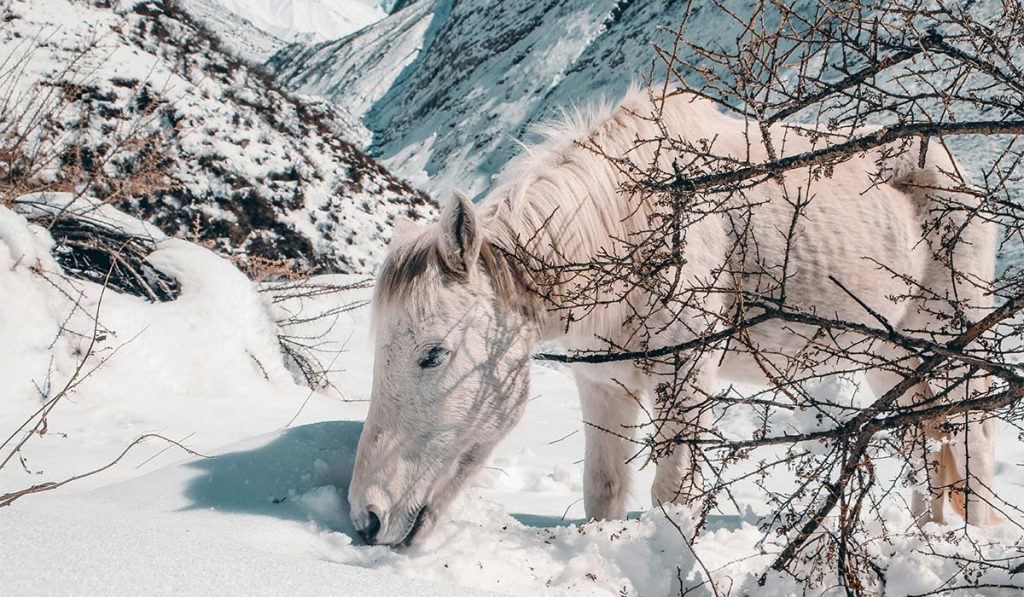
Another of the less talked-about Langtang trek highlights is ecological variety. The route passes through Langtang National Park, and even though wildlife sightings are never guaranteed, the setting adds interest to the journey. Forest sections can include monkeys and a range of birdlife, while the upper valley has a harsher alpine beauty shaped by rock, ice, and wind.
In spring, rhododendrons can add color to the lower trail. In autumn, skies are usually clearer and mountain views sharper. Winter can be beautiful, especially for those who like quieter trails and crisp conditions, but cold and snow may affect side hikes. During the monsoon, the lower sections can be wet, leech-prone, and less comfortable, although the landscape is very green.
This seasonal variation matters because Langtang does not offer exactly the same experience year-round. If your main goal is mountain visibility and comfortable trekking conditions, spring and autumn remain the safest choices.
What makes the trek manageable for many travelers
Langtang is often recommended to trekkers who want a serious Himalayan route without the scale of a three-week circuit or a high-cost expedition-style plan. That does not mean it is easy. You still need to walk several days, handle sustained uphill sections, and manage altitude carefully. But the overall itinerary is more accessible than many people expect.
Most trekkers complete the standard Langtang Valley trek in about 7 to 10 days, depending on transportation, pace, and whether they add side trips. That time frame makes it attractive for travelers with limited holidays. It also means you can experience high-altitude trekking in Nepal without a major logistical build-up.
The main trade-off is that the route still reaches elevations where altitude sickness is a real concern. Kyanjin Gompa sits above 3,800 meters, and viewpoints go much higher. Anyone planning this trek should build in proper acclimatization, walk at a steady pace, stay hydrated, and avoid treating Langtang as a quick weekend-style hike just because it is closer to Kathmandu.
Practical planning tips for first-time trekkers
If you are choosing Langtang for your first trek in Nepal, the route is forgiving in some ways and demanding in others. The trail is generally straightforward, teahouses are available, and the itinerary is shorter than many classic routes. At the same time, weather changes quickly, road conditions to the starting point can be unpredictable, and altitude still shapes every day above the lower valley.
The best approach is to plan conservatively. Add at least one acclimatization day at Kyanjin Gompa. Keep your backpack light. Start walking early each morning for better weather and clearer views. If you are unsure about navigation, pace, or altitude management, trekking with an experienced local guide can make the experience safer and more rewarding.
Trekkers also sometimes ask whether Langtang feels too short compared with Everest or Annapurna. In practice, that shorter format is exactly why many people enjoy it. You get mountain immersion quickly, and the route keeps delivering without too many filler days.
Who will enjoy Langtang most
Langtang suits trekkers who value variety over prestige. If your main goal is to say you reached the most famous region, Everest may appeal more. But if you want a route with strong scenery, meaningful village life, manageable duration, and excellent side hikes, Langtang deserves serious attention.
It is especially good for travelers who want their trek to feel both achievable and memorable. The forests, Tamang culture, broad valley around Kyanjin, and viewpoint climbs create a complete trekking experience in a compact itinerary. That is why many trekkers return from Langtang surprised by how much it offered compared with what they expected.
For anyone planning a Nepal trek with limited time, the real value of Langtang is simple: you do not have to compromise much. You still get dramatic landscapes, real altitude, village-based trekking, and a clear sense of being in the Himalayas. Few routes deliver that balance as well as Langtang does.

