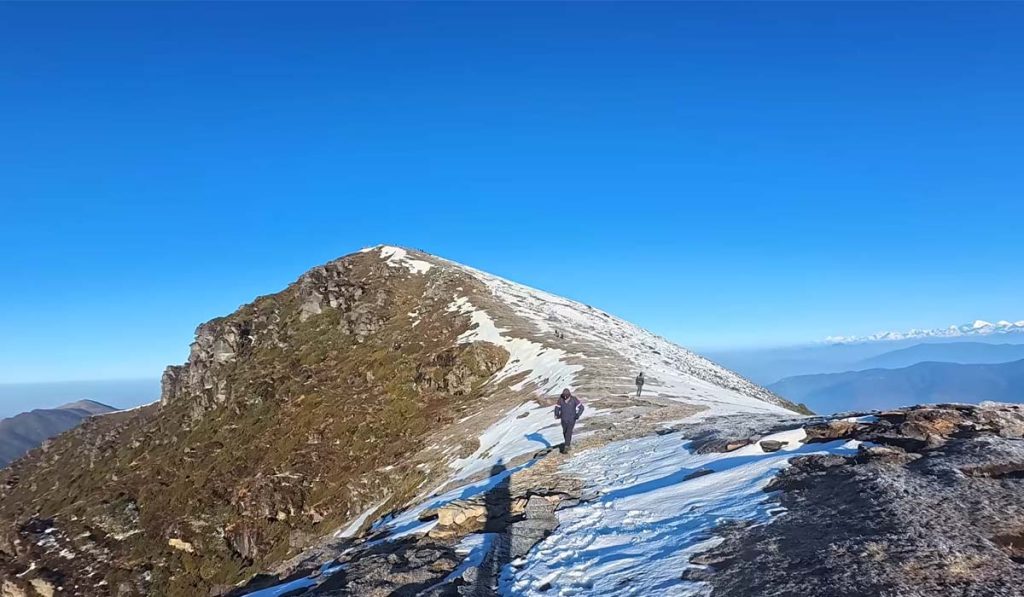
If you have been researching quieter treks in Nepal, you have probably seen the same claim repeated again and again: Pikey Peak offers one of the best mountain panoramas in the country without the crowds of the major routes. That is the short answer to Why is Pikey Peak trek Famous? But the real reason goes deeper. Pikey Peak stands out because it combines a big Himalayan viewpoint, rich Sherpa culture, moderate trekking difficulty, and relatively easy logistics in a way very few treks in Nepal can match.
For trekkers who want a rewarding Himalayan experience without committing to a long expedition, this is where Pikey Peak earns its reputation. It is not the tallest trekking peak, the hardest route, or the most commercial destination. Its fame comes from balance. You get dramatic scenery, cultural depth, and a real trekking feel in a short itinerary.
Why is Pikey Peak Famous among trekkers?
Pikey Peak is famous mainly for its sunrise view over the Everest region and for being one of the best short treks in lower Solu. From the summit area, you can see a long chain of Himalayan giants, including Everest, Lhotse, Makalu, and Kanchenjunga on a clear day. That kind of broad mountain view usually requires either a flight into the Everest region or several more days of trekking at higher altitude.
Here, the reward comes earlier and with less physical strain than many classic routes. That matters for trekkers with limited time, first-time visitors to Nepal, or anyone who prefers a quieter trail over the busier routes in Everest and Annapurna.
Another reason for its growing popularity is that Pikey Peak feels authentic. Villages along the route still reflect everyday mountain life rather than a trekking corridor built almost entirely around tourism. You pass through Sherpa settlements, old monasteries, prayer walls, and forested ridgelines that feel more personal and less crowded.
In practical terms, Pikey Peak is famous because it solves a common trekking problem: many people want big Himalayan views, but not everyone wants Lukla flights, very high altitude, or a two-week schedule.
The Everest view is the biggest reason
If one feature has made Pikey Peak widely known, it is the viewpoint itself. The summit sits at around 4,065 meters, which is high enough for an expansive Himalayan panorama but still lower than many major trekking passes and viewpoints in Nepal.
The sunrise from Pikey Peak is what most trekkers remember. Before dawn, the ridge is usually cold and windy, but once the first light touches the peaks, the entire eastern horizon begins to open. Everest appears among a series of giant summits rather than in isolation, which gives the view a much broader sense of scale. For many trekkers, this is more impressive than a single close-up mountain sighting.
There is also a well-known local belief that Sir Edmund Hillary considered the view from Pikey Peak one of his favorite mountain views in Nepal. Whether travelers come for that story or not, it has helped build the peak’s reputation.
That said, mountain views always depend on weather. Pikey Peak can offer a spectacular clear morning, but clouds, haze, or seasonal moisture can reduce visibility. This is one reason trek timing matters.
A short trek with high reward
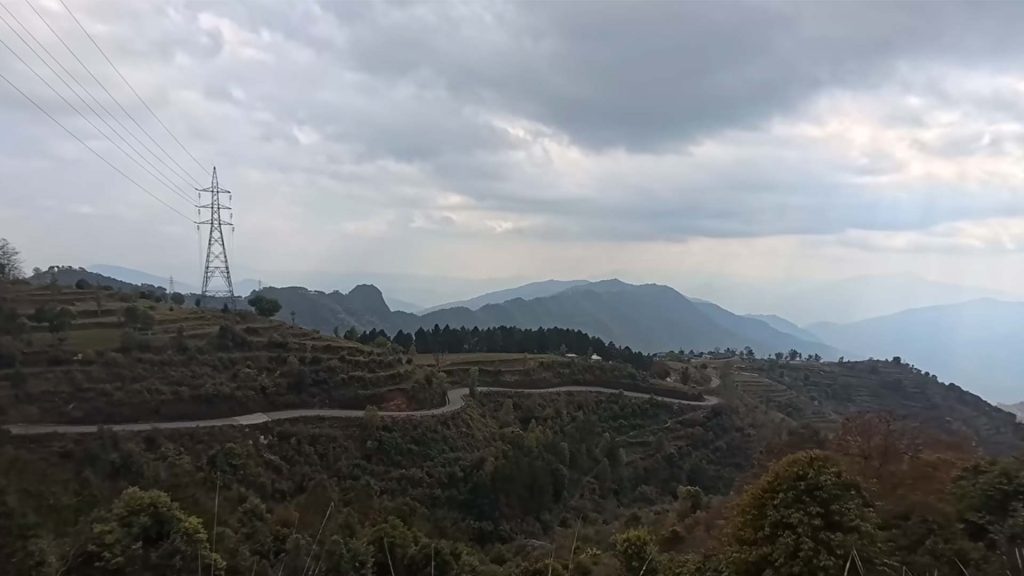
Many famous treks in Nepal require a major time commitment. Pikey Peak is different. Most itineraries can be completed in about 5 to 7 days, depending on your starting point, ending route, and pace. That makes it attractive for travelers who want a true Himalayan trek but do not have two or three weeks available.
This shorter duration does not mean the trail feels small. The route still includes villages, forests, ridges, monasteries, and open viewpoints. You get the changing rhythm that makes trekking in Nepal rewarding, just in a more compact format.
For many people, this is exactly why Pikey Peak has become famous. It is accessible enough for a wider range of trekkers while still offering the emotional payoff people come to Nepal for.
Sherpa culture gives the trek more depth
Pikey Peak would not be as memorable if it were only a viewpoint. Part of what gives the trek lasting value is the cultural landscape of the lower Everest region, especially Solu.
This area is home to Sherpa communities, and the route passes through villages where Buddhist traditions remain central to daily life. Mani walls, prayer flags, chortens, and monasteries are not just scenic details. They shape the feeling of the walk. The trek becomes more than a climb to a viewpoint. It becomes a journey through a lived mountain culture.
Compared with more commercial trekking zones, the interactions here often feel quieter and less rushed. Teahouses are generally simpler than on some major trails, but many trekkers appreciate that. The experience feels closer to the older style of trekking in Nepal.
For travelers who value culture as much as scenery, this is a major part of Pikey Peak’s fame.
The trail is quieter than Nepal’s classic routes
Some treks are famous because everyone goes there. Pikey Peak has become famous for almost the opposite reason. It offers space.
On peak-season days in Everest or Annapurna, trails can feel busy, especially near transport hubs and well-known overnight stops. Pikey Peak usually remains much calmer. You can walk for long stretches through forest and ridge terrain with very little foot traffic.
That quieter environment changes the experience. Sunrise viewpoints feel less crowded. Teahouses feel more relaxed. The trek often feels more personal, which is something many experienced hikers specifically look for.
Of course, quieter also means fewer facilities compared with heavily developed trekking routes. Accommodation is available, but expectations should be realistic. Services can be more basic, and route planning matters more. For many trekkers, that trade-off is worth it.
Why Pikey Peak appeals to first-time trekkers
Pikey Peak is often recommended to first-time trekkers in Nepal because it offers a manageable introduction to Himalayan trekking. The altitude is significant, but it is still lower than many high passes and major Everest region viewpoints. The daily walking hours are moderate on most itineraries, and the access is more straightforward than routes that depend on mountain flights.
That does not mean it is effortless. There are steady ascents, cold mornings, and enough elevation to require proper pacing. Anyone attempting the trek should still prepare with basic fitness, layered clothing, and an understanding of altitude awareness.
What makes it beginner-friendly is not that it is easy by every standard. It is that the ratio of effort to reward is unusually good.
The best seasons add to its reputation
Pikey Peak is at its best in the main trekking seasons, especially spring and autumn. In spring, rhododendron forests and milder temperatures make the lower sections especially attractive. In autumn, post-monsoon skies often bring the clearest mountain views.
Winter can also be beautiful, particularly for trekkers who want crisp visibility and very quiet trails, but conditions can be colder and snow may affect the route. Monsoon is less ideal because cloud cover and wet trails can limit the main reward, which is the summit panorama.
Its fame is tied closely to visibility. A viewpoint trek depends on clear skies more than a culturally focused city visit or jungle trip would. If you want to understand why people talk about Pikey Peak so highly, go in a season when the mountains are likely to show themselves properly.
Access is easier than many people expect
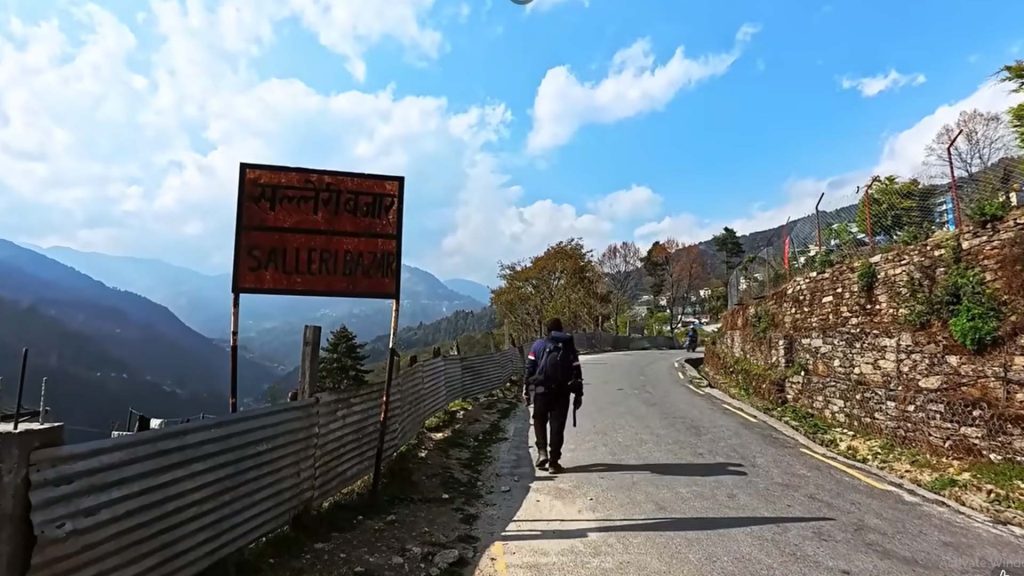
One practical reason Pikey Peak is becoming more popular is access. Unlike treks that rely on flights to Lukla, Pikey Peak is generally reached by road from Kathmandu. The drive can be long and conditions vary, as they often do in Nepal, but avoiding flight uncertainty is a big advantage for many travelers.
This changes planning in an important way. Weather-related flight delays in mountain regions can disrupt itineraries badly. A road-access trek gives more flexibility, especially for travelers on tighter schedules.
That said, road journeys in Nepal require patience. Conditions depend on season, route section, and recent weather. Trekkers should not assume the approach is luxurious just because it is simpler on paper.
Is Pikey Peak famous for expert trekkers, too?
Yes, but for slightly different reasons. Experienced trekkers are often drawn to Pikey Peak because it offers something the bigger names sometimes cannot: a relatively short, uncrowded route with genuine atmosphere and excellent photography conditions.
For someone who has already walked Everest Base Camp or Annapurna Circuit, Pikey Peak can feel refreshing. It strips trekking back to the essentials – ridge walks, mountain light, village life, and quieter nights in local lodges.
It is also useful as a trek for mixed-ability groups. If one person wants serious Himalayan scenery but another is not ready for a long, high-altitude expedition, Pikey Peak can be a very smart middle ground.
What makes Pikey Peak different from other viewpoint treks?
Nepal has many good viewpoints, so Pikey Peak is not famous only because it has one. What makes it different is the combination of viewpoint quality, cultural setting, trek length, and lower crowd levels.
Some short treks have easy access but limited mountain scale. Some famous viewpoints have superb scenery but come with heavy traffic. Some culturally rich routes require a much longer commitment. Pikey Peak sits in a rare position where all these strengths meet.
That is why it keeps appearing on shortlists for trekkers who want a less commercial mountain experience. It gives a wide-angle Himalayan reward without demanding a major expedition mindset.
If you are choosing a trek based on value rather than hype, Pikey Peak deserves the attention it gets. Its fame is not based on marketing alone. It comes from a trail that consistently gives trekkers more than they expect from a journey of this length.