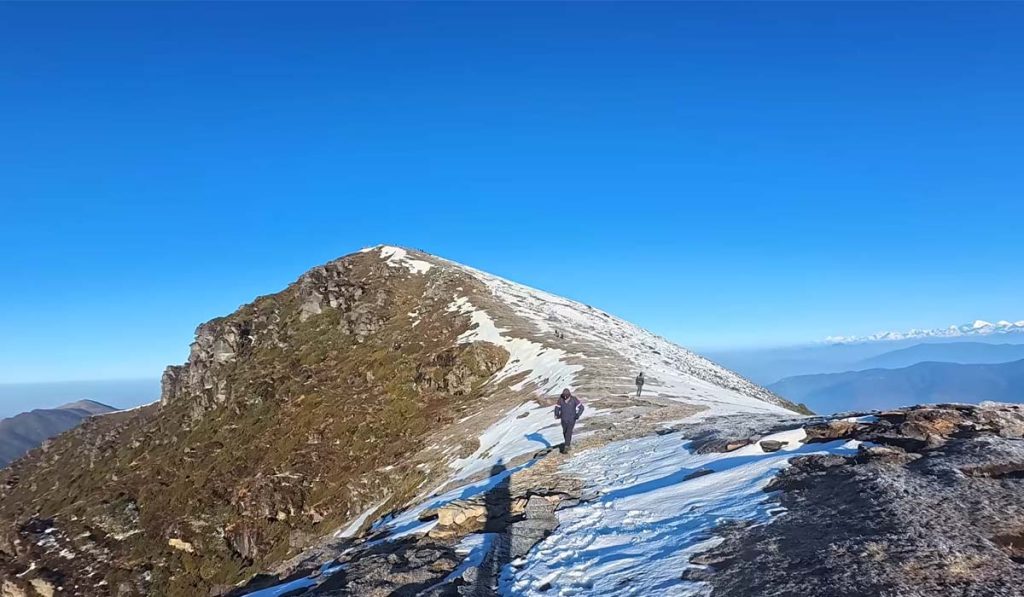
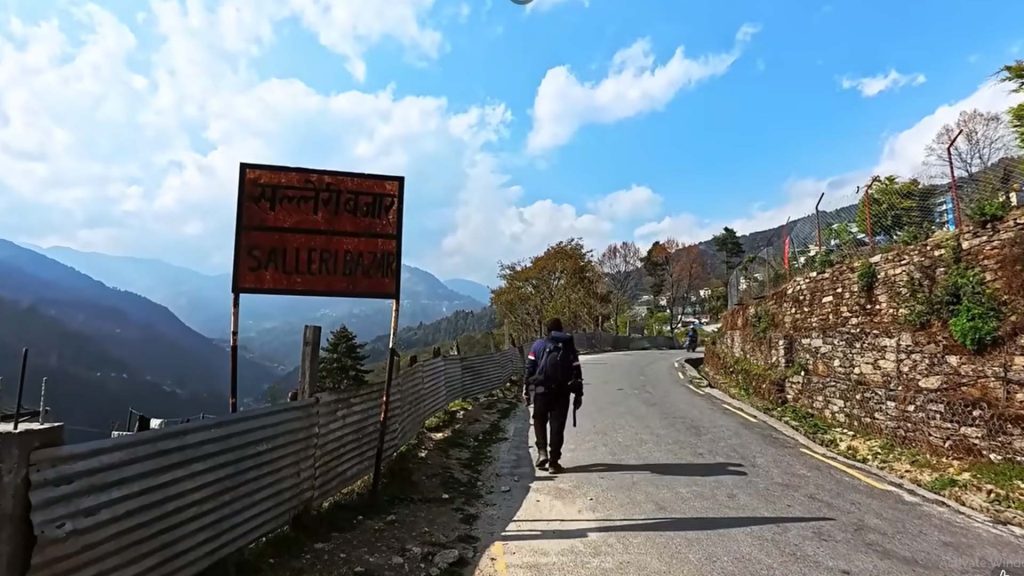
If you are asking, Where is Pikey Peak Located?, the short answer is this: Pikey Peak sits in the lower Everest region of Nepal, in Solukhumbu District, within Koshi Province. It is not in the busy high-altitude Everest Base Camp corridor, which is exactly why many trekkers find it so appealing. You get a quieter trail, broad Himalayan views, and a strong sense of rural mountain life without the crowds that gather on Nepal’s more famous routes.
For many travelers, the name causes some confusion. Because Pikey Peak lies in Solukhumbu, people often assume it is part of the main Everest trekking route. Geographically, it belongs to the same wider region, but the trekking experience is quite different. Pikey Peak trek is approached from the lower hills and mid-mountain settlements rather than from Lukla and the classic Khumbu trail.
Where Is Pikey Peak Located?
Pikey Peak is located in the Solu area of Solukhumbu District in eastern Nepal. This is the lower section of the greater Everest region. The peak stands at about 4,065 meters, or 13,336 feet, above sea level and is known as one of the best viewpoints for seeing Everest and several other Himalayan giants in a single panorama.
The trek is usually accessed by road from Kathmandu to trailheads such as Dhap, Dhap Bazaar, or Jhapre. From there, trekkers walk through villages, forests, ridgelines, and open hill country toward Pikey Peak Base Camp and the summit viewpoint. That access pattern is one of the reasons the trek is often described as more practical and more affordable than many routes in the high Everest region.
In simple terms, Pikey Peak is east of Kathmandu, south of the main Khumbu air route, and north of the lower mid-hill farming settlements of Solu. It is close enough to be reached by overland travel, yet high enough to deliver a true Himalayan trekking experience.
Which Part of Nepal Is Pikey Peak In?
Pikey Peak lies in eastern Nepal, in a part of the country that blends lower mountain culture with classic Everest-region scenery. Administratively, it is in Solukhumbu District, but from a trek planning perspective, what matters more is the distinction between Solu and Khumbu.
Solu is the lower section of the district. It is greener, less glaciated, and more village-centered. Khumbu is the higher and more alpine section, where famous places like Namche Bazaar, Tengboche, and Everest Base Camp are located. Pikey Peak belongs to Solu, not upper Khumbu.
That difference matters because it shapes the entire trip. Trails around Pikey Peak pass through Rai and Sherpa communities, farmland, forests of rhododendron and pine, and open ridges with long sunrise views. You still feel the Everest-region identity, but in a quieter and more culturally grounded setting.
How Far Is Pikey Peak From Kathmandu?
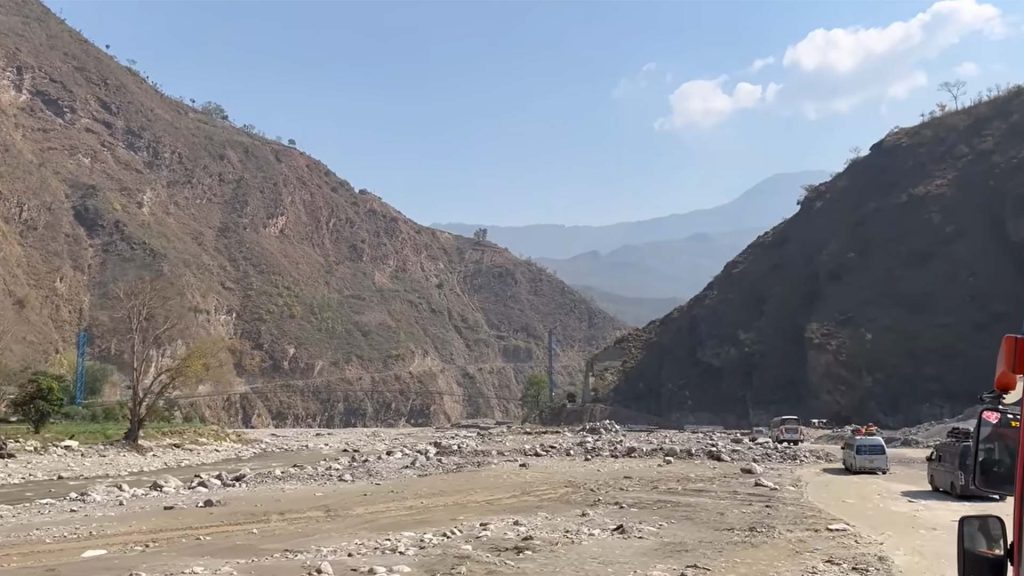
Pikey Peak is not measured in a straight, simple tourist distance because the trek involves road travel plus several days on foot. In practical terms, most itineraries begin with a long drive from Kathmandu to Dhap or a nearby starting point. Depending on road conditions and the exact trailhead used, that drive often takes around 8 to 10 hours, sometimes longer.
After the drive, trekkers usually need a few days of hiking to reach the summit area. Many standard itineraries take 5 to 7 days in total, though some are shorter and some include extra villages or a different exit route.
This makes Pikey Peak one of the more accessible Himalayan viewpoints in Nepal. It does not require a domestic flight like many Everest treks, and it does not demand a long expedition-style schedule. That said, road conditions in Nepal can affect timing, so it is wise to build in some flexibility.
Nearby Villages and Access Points
Understanding where Pikey Peak is located becomes easier when you know the nearby settlements commonly used on the route. Dhap is one of the best-known starting points. Jhapre is another important village, often included early in the trek. As trekkers move higher, routes may pass through places such as Lhamuje, Pikey Base Camp, Junbesi, or Phaplu, depending on the itinerary.
Junbesi deserves special mention because it is one of the most charming Sherpa villages in the lower Everest region. Some Pikey Peak itineraries continue there after the summit rather than returning the same way. This gives trekkers a richer cultural experience and a more varied walk.
Phaplu is another useful reference point. It has an airstrip and serves as a local hub in the Solu region. Some itineraries once involved flying in or out of Phaplu more often, but road access has made overland routes more common for many travelers.
Why Pikey Peak Feels Different From Everest Base Camp
A lot of trekkers search for Pikey Peak because they want mountain views without the pressure of a longer, higher, and busier route. That is where location really matters. Pikey Peak’s position in lower Solukhumbu gives it a different character from Everest Base Camp.
First, the altitude is lower. At just over 4,000 meters, it is still a real mountain trek, but the exposure to extreme altitude is more limited than on EBC. That does not remove altitude concerns entirely, especially for fast itineraries, but it generally makes the trek more manageable for first-time Himalayan trekkers.
Second, the logistics are simpler. Reaching the trail by road avoids the uncertainty of mountain flights to Lukla. For some travelers, that alone is a major advantage.
Third, the trail atmosphere is calmer. You are less likely to find heavy traffic, large trekking groups, and crowded tea houses. If your idea of Nepal includes quiet ridges, village hospitality, and sunrise over a wide Himalayan skyline, Pikey Peak often fits better than the classic Everest route.
What Can You See From Pikey Peak?
Pikey Peak is famous because of its viewpoint. On a clear morning, trekkers can see Everest along with other major peaks such as Lhotse, Makalu, and Kanchenjunga in the distance. Depending on conditions and visibility, you may also see Numbur Himal, Gaurishankar, and other surrounding ranges.
The Everest view is one of the strongest reasons this trek has become more popular in recent years. Many people are surprised that such an accessible hill summit can offer such a wide and dramatic mountain panorama.
Still, expectations should stay realistic. Mountain views depend heavily on season, weather, and cloud movement. The location is excellent, but no viewpoint in Nepal can guarantee a perfect sunrise every day. Autumn and spring usually offer the best conditions.
Best Time to Visit Pikey Peak
Because of where Pikey Peak is located, the trek follows the general seasonal rhythm of eastern Nepal. The best times are typically spring, from March to May, and autumn, from late September to November.
In spring, the hills are greener and rhododendron forests can be very beautiful, especially at mid elevations. Visibility is often good, though haze can occasionally build later in the season.
In autumn, the air is usually crisp and the mountain views are often at their sharpest after the monsoon clears. This is one of the most reliable periods for panoramic photography and sunrise viewpoints.
Winter trekking is possible, and some trekkers enjoy the extra quiet, but cold temperatures and occasional snow can make the route less comfortable. During the monsoon, trails can be muddy and views are less dependable, so that season is generally less favorable.
Is Pikey Peak in a Remote Area?
Yes, but not in the same way as Nepal’s more isolated expedition regions. Pikey Peak is remote enough to feel peaceful and rewarding, yet not so remote that logistics become highly complex. Tea house trekking is possible, villages are part of the route, and access from Kathmandu is relatively straightforward by Nepal mountain standards.
This balance is part of the trek’s appeal. It gives you a genuine Himalayan journey without requiring technical climbing, domestic flight dependence, or a very long itinerary. For travelers with limited time, that combination is hard to beat.
At the same time, trekkers should not underestimate the route. Weather can change quickly, uphill sections can feel demanding, and basic services in village areas are more limited than in major tourist corridors. Good planning still matters.
Who Should Choose Pikey Peak?
Pikey Peak suits trekkers who want strong mountain scenery, moderate trekking days, and a route that feels less commercial than Nepal’s headline trails. It is especially attractive for first-time trekkers in Nepal who want an Everest-region experience without committing to Everest Base Camp.
It also works well for repeat visitors who have already done the major routes and want something quieter. Photographers, cultural travelers, and trekkers interested in shorter Himalayan itineraries often enjoy this area for exactly that reason.
If your priority is reaching iconic Everest Base Camp itself, then Pikey Peak is not a substitute. But if your goal is scenic ridges, sunrise views, Sherpa and Rai villages, and a lower-altitude trek with genuine Himalayan character, its location makes it one of Nepal’s smartest choices.
Pikey Peak sits in a sweet spot – close enough to access without major complications, high enough to feel dramatic, and far enough from the main trekking crowds to preserve the quiet that many travelers come to Nepal hoping to find.