If you want an Everest-view trek without the crowds, the 7 Days Pikey Peak Trek is one of the smartest choices in Nepal. It gives you wide Himalayan panoramas, quiet trails, lower overall altitude than many Everest routes, and a route that fits travelers who want a short but rewarding mountain journey.
Pikey Peak sits in the lower Everest region, in Solu, and the trek is well known for sunrise views that can include Everest, Makalu, Kanchenjunga, Lhotse, Manaslu, and even Annapurna on a very clear day. That kind of mountain range is hard to match on a one-week trek. Just as important, the trail passes through Sherpa villages, forested ridges, old monasteries, and open grazing hills that give the trek a more local and less commercial feel than busier routes.
This is not a technical trek, but it still needs proper planning. Road conditions, walking pace, season, and altitude all matter. If you are considering this route, here is what you should know before you go.
Why choose the 7 Days Pikey Peak Trek?
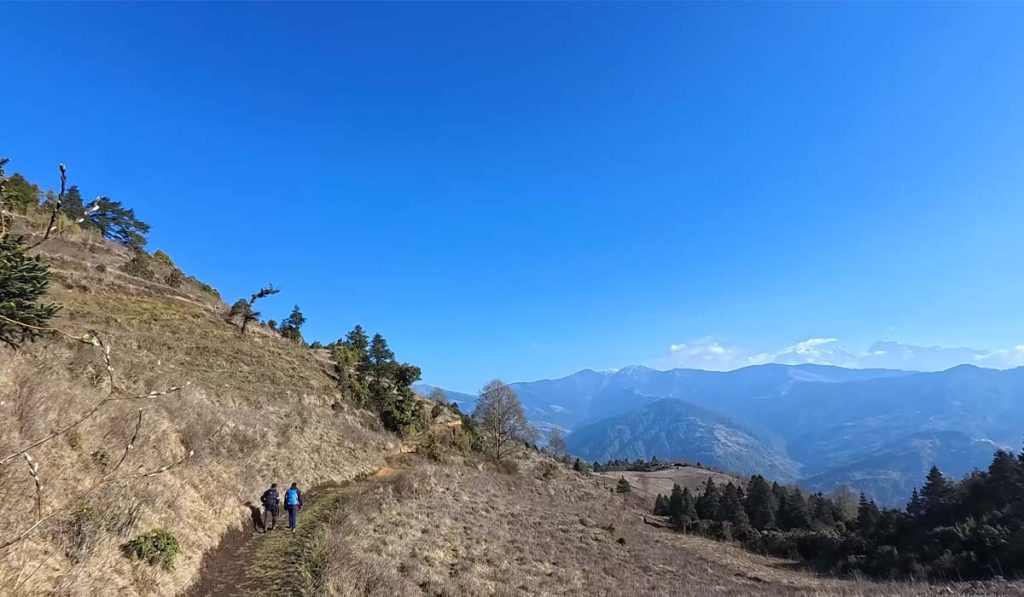
The biggest reason is value for time. In seven days, you can leave Kathmandu, reach the trailhead, cross a scenic mid-hill mountain landscape, stand on a famous viewpoint at 4,065 meters, and return without taking a mountain flight. For many trekkers, that makes the logistics easier and the cost lower than some Everest treks.
The route also suits people who want a real Himalayan experience without committing to two or three weeks. You still get teahouse trekking, Sherpa culture, mountain weather, forest trails, and long ridge views, but on a shorter schedule. For first-time trekkers in Nepal, it can be a strong alternative to more famous routes. For experienced hikers, it is a rewarding short trek that does not feel watered down.
There is one trade-off. Because this is a shorter itinerary, some days can feel a bit compressed, especially if road transfers are long or conditions are rough. If you prefer a slower pace, adding one extra day can make the trek more comfortable.
7 Days Pikey Peak Trek itinerary
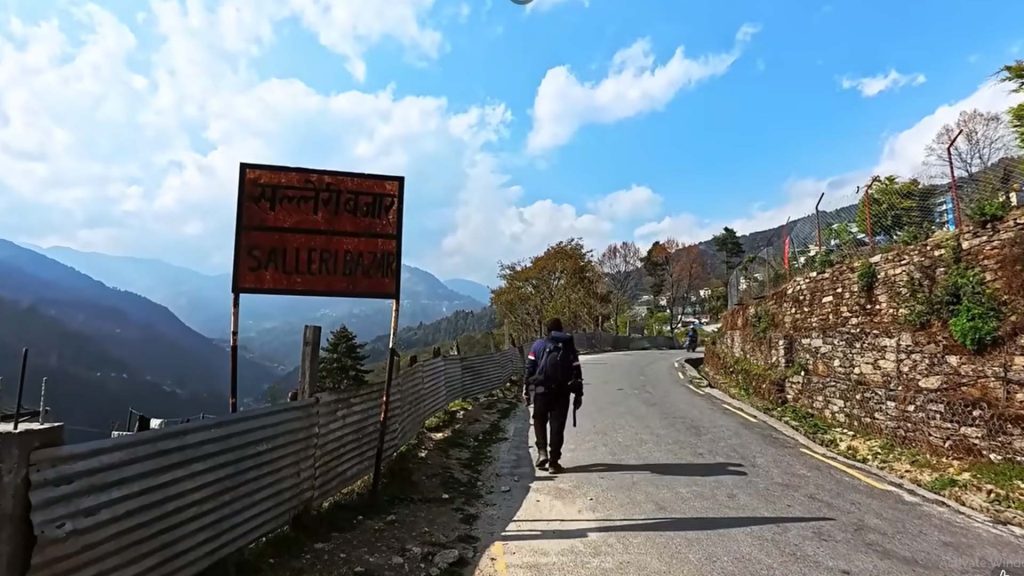
A common 7-day itinerary starts with a drive from Kathmandu to Dhap or a nearby starting point. The exact trailhead can vary depending on road access and the condition of the route that season.
Day 1: Drive from Kathmandu to Dhap
This is usually a long overland day. Expect a full day of travel, often 8 to 10 hours or more depending on traffic and road conditions. The road journey is not the glamorous part of the trek, but it allows you to skip domestic flights and enter the Solu region by land.
Day 2: Trek from Dhap to Jhapre
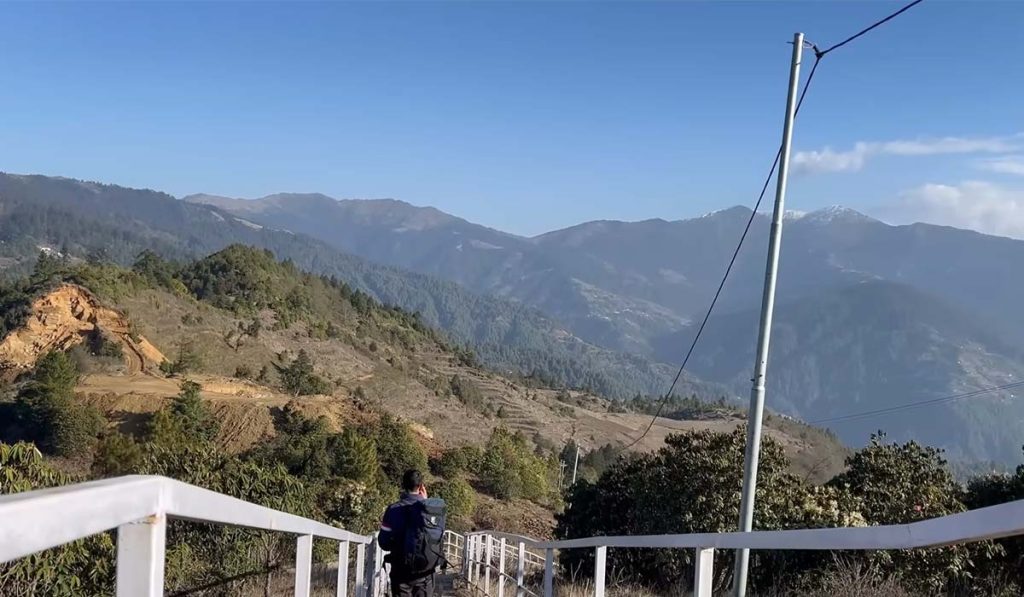
This first walking day is a good warm-up. The trail moves through villages and hillside landscapes with early views toward the high mountains if the weather is clear. Jhapre is a pleasant stop with a monastery and excellent scenery.
Day 3: Trek from Jhapre to Pikey Base Camp
The trail climbs through rhododendron forests and open ridges. As you gain elevation, the scenery becomes broader and more alpine in character. Pikey Base Camp is simple but strategic, setting you up for the sunrise hike the next morning.
Day 4: Hike to Pikey Peak and trek to Junbesi
This is usually the highlight of the trek. Most groups start early, often before dawn, to reach Pikey Peak for sunrise. From the summit area, the panorama can be outstanding. After spending time at the top, the trail descends and continues toward Junbesi, one of the most attractive Sherpa villages on the route.
This can be a long day, so pacing matters. The descent is substantial, and tired legs are common by the time you reach Junbesi.
Day 5: Explore Junbesi and trek toward the Phaplu area
Some itineraries include a visit to Thupten Chholing Monastery if time and trail conditions allow. Others move directly onward. Junbesi is culturally rich and worth more than just a quick overnight if your schedule allows.
Day 6: Trek to Phaplu
This day brings you toward the road-connected end of the route. The walking is generally easier than the summit day, though there are still ups and downs typical of Nepal trekking.
Day 7: Drive back to Kathmandu
As with the outbound journey, this is a long road day. If you are tight on time, this 7-day plan works. If you have flexibility, keeping an extra buffer day in Kathmandu is wise in case road delays affect your return.
Difficulty and altitude
The 7 Days Pikey Peak Trek is generally considered moderate. It is achievable for fit beginners with preparation, and it is very manageable for trekkers with prior hiking experience. The main challenge is not technical terrain but a combination of daily walking hours, uphill sections, basic mountain accommodation, and the highest point above 4,000 meters.
Pikey Peak itself is around 4,065 meters. That is lower than many famous treks in Nepal, which reduces altitude risk, but it does not remove it. Some trekkers still feel mild altitude symptoms such as headache, poor sleep, or reduced appetite, especially on a fast itinerary.
You do not need mountaineering skills, but you do need decent endurance. Training with regular uphill walking, stair climbing, and long day hikes will help more than gym strength alone. If you can comfortably walk 5 to 7 hours in a day on uneven terrain, you are in a good starting position.
Best season for Pikey Peak
Spring and autumn are the best seasons for this trek.
Spring, from March to May, brings blooming rhododendrons, moderate temperatures, and generally stable conditions. The forests can be especially beautiful at this time, and the ridges feel lively without being overly busy.
Autumn, from late September to November, is often the clearest season for long mountain views. After the monsoon, the air is usually cleaner, and sunrise panoramas from Pikey Peak can be exceptional.
Winter is possible, and some trekkers enjoy the quieter trails and crisp visibility. But it can be cold, and snow may affect the summit section or make the route less comfortable. Monsoon is the least favorable season because clouds, rain, leeches, and muddy trails can reduce both comfort and visibility.
Accommodation, food, and trail conditions
The trek is usually done in local teahouses or basic lodges. Do not expect luxury, but in most villages you can find simple rooms, warm meals, and a welcoming atmosphere. Facilities vary from place to place. Lower on the route, lodging can be more comfortable. Higher up, especially near base camp, services are more basic.
Meals are similar to other teahouse treks in Nepal. Dal bhat, noodles, fried rice, soup, potatoes, eggs, and tea are common. The food is simple but practical for trekking days. Carrying a few personal snacks is always a good idea, especially for the summit morning.
Trail conditions are usually straightforward, with village paths, forest trails, ridges, and stone steps in some sections. In dry weather, the route is pleasant to walk. After rain or in winter frost, some sections can be slippery.
Permits and logistics
Permit rules can change, so it is worth checking current requirements before departure. In general, trekkers on the Pikey Peak route may need local area permits depending on the exact entry point and current regulations. A guide is not always mandatory on every route variation, but many trekkers prefer one for navigation, local coordination, and a smoother experience.
Transportation is one of the key planning points. The route commonly starts and ends with jeep or bus travel rather than flights. That keeps costs down, but road travel in Nepal can be slow and unpredictable. During peak trekking seasons, booking transport in advance is sensible.
For travelers who want fewer moving parts, going with an experienced local operator can make the journey much easier. Himalaya Wanderer typically helps trekkers think through these details before they become problems on the trail.
How much does the trek cost?
The total cost depends on whether you trek independently, hire a guide, use private transport, or join a package. Budget-conscious trekkers can keep costs moderate by using shared transport and simple teahouses. Costs rise if you add a private jeep, porter support, or customized services.
A guided package generally includes transport, permits, accommodation, meals during the trek, and staff support. That often gives better overall value than arranging each part separately, especially on a short itinerary where delays can quickly affect the whole plan.
What to pack for a 7-day trek
Pack light, but do not pack casually. The weather can change fast, and summit mornings are cold. A good layering system matters more than bulky gear. You will want broken-in trekking boots, warm clothing, a waterproof outer layer, gloves, a hat, sunglasses, a refillable water bottle, and a headlamp. A sleeping bag is useful in colder months because lodge blankets may not always be enough.
Many trekkers overpack for short treks in Nepal. For Pikey Peak, focus on warmth, rain protection, and walking comfort rather than carrying extra clothing you will never use.
Is this trek right for you?
If you want big Himalayan views, authentic village trekking, and a manageable one-week route, Pikey Peak is one of the best options in Nepal. It works especially well for travelers who do not want the cost or time commitment of longer Everest treks, but still want a serious mountain experience.
The route is not just a backup plan for people skipping Everest Base Camp. It stands on its own. The scenery is wider than many trekkers expect, the cultural experience is richer than the map suggests, and the shorter length makes it realistic for travelers with limited time. If you prepare well and choose the right season, the 7 Days Pikey Peak Trek can feel far bigger than a one-week trip.