Not every trek in Nepal is right for every traveler, and that is exactly why people ask: Who Should Do the Pikey Peak Trek? It is one of the better choices for trekkers who want big Himalayan views, a quieter trail, and a shorter itinerary than Everest Base Camp, but it is not the best fit for everyone. The route rewards people who value scenery, cultural experience, and manageable trekking days more than famous checkpoints or extreme altitude.
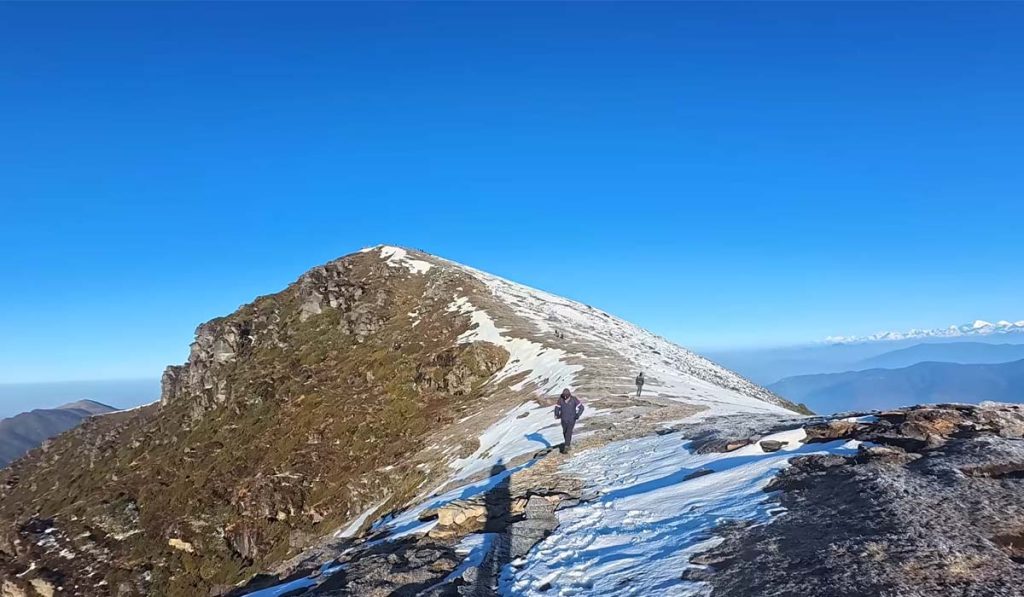
Pikey Peak has built a strong reputation for one main reason: the mountain panorama feels far bigger than the effort required to reach it. On a clear morning, the sunrise view can stretch across a huge section of the Himalayas, including Everest and several other major peaks. That makes it attractive to trekkers who want a high visual return without committing to a long expedition.
Who Should Do the Pikey Peak Trek in Nepal?
The Pikey Peak Trek is especially well suited to first-time trekkers in Nepal. If you are reasonably active, can handle several consecutive days of walking uphill and downhill, and want an introduction to Himalayan trekking without jumping straight into a demanding high-altitude route, this trek makes a lot of sense. The altitude is still a factor, but it is generally more approachable than many of Nepal’s longer and higher classic treks.
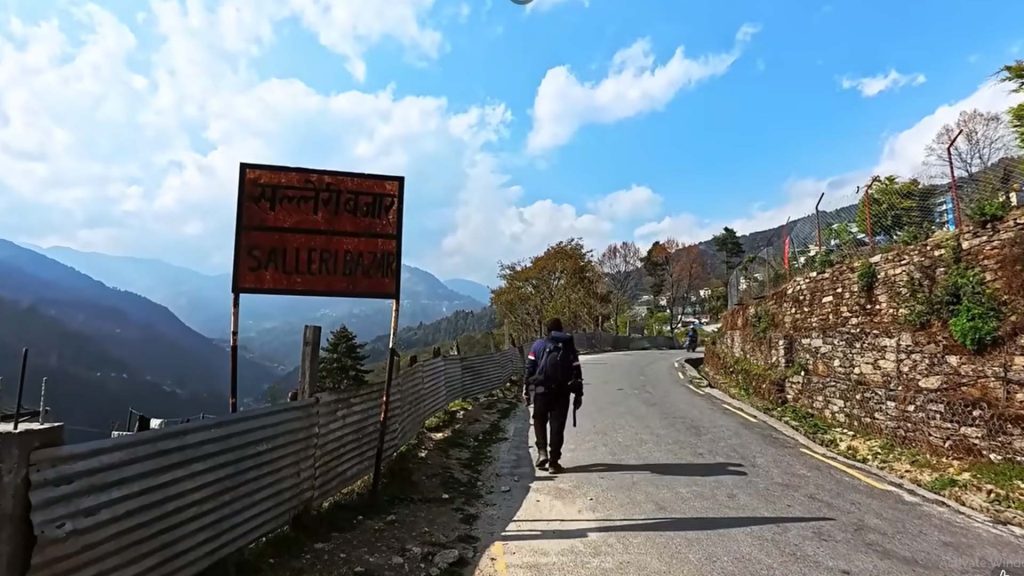
It is also a very good option for travelers with limited time. Many visitors want a real trekking experience in Nepal but only have a week or a little more available once flights, sightseeing, and travel days are considered. Pikey Peak fits that window well. You can get mountain lodges, village life, ridgeline walking, forest trails, and major Himalayan views without needing two or three weeks on the trail.
Photographers are another strong match for this route. The dawn view from the Pikey Peak area is one of the main reasons people choose it. The changing light over the Everest range, rolling hills, and layered mountain skyline create a very rewarding landscape experience. If your ideal trek includes stopping often for photos rather than chasing distance every day, this trail suits that style.
Trekkers who prefer quieter routes should take Pikey Peak seriously. Compared with the busier trails in the Everest and Annapurna regions, this route feels calmer and more personal. You still get teahouse trekking and local interaction, but without the same daily crowd levels that many popular routes now see in peak season. For some travelers, that is not a small advantage. It changes the whole mood of the journey.
A good fit for beginners, but not for everyone
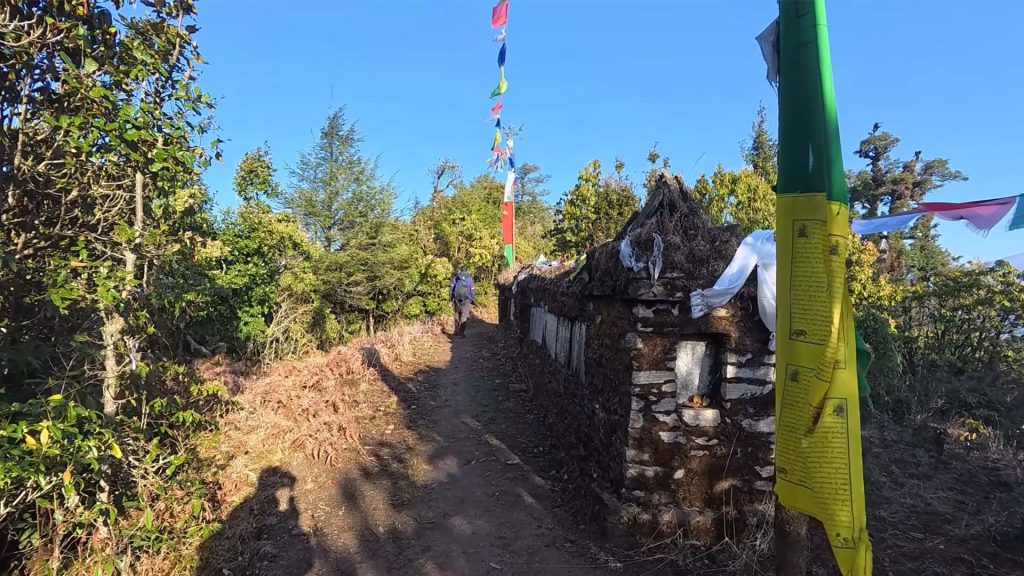
Calling Pikey Peak a beginner-friendly trek does not mean it is effortless. You still need to walk for multiple days, usually on uneven terrain, with regular ascents and descents. Some sections can feel tiring, especially if you are not used to sustained uphill walking. Cold mornings, basic lodge conditions, and long trail days can also surprise people who picture trekking as a casual hike.
So who should do the Pikey Peak Trek as a beginner? The best candidate is someone with realistic expectations. If you hike occasionally, stay generally active, and are prepared to train a little before arriving, you can do well here. If you struggle with stairs, avoid walking exercise, or expect luxury comfort at every stop, the trek may feel harder than expected.
The route is also a smart choice for older trekkers who remain active and want a less aggressive altitude profile than some of Nepal’s more famous routes. Many experienced travelers are not looking to prove anything. They want mountain beauty, cultural depth, and good daily rhythm without pushing to extreme elevations. Pikey Peak often delivers that balance well.
Who enjoys this trek the most?
In practical terms, the trekkers who enjoy Pikey Peak most usually share a few traits. They care more about the overall experience than ticking off a famous bucket-list destination. The village landscapes, Buddhist culture, changing forests, and broad viewpoints make the walk exciting. They do not need dramatic suspension bridges every day or the prestige of saying they reached a globally known base camp.
This trek works particularly well for couples, solo trekkers with guides, and small groups of friends who want a quieter shared adventure. Families with older teens may also find it suitable if everyone is reasonably fit and comfortable with simple mountain accommodations. The route has enough challenge to feel like a real trek, but not so much that it becomes purely a physical test.
It is also a very good warm-up trek for people considering bigger Himalayan routes later. If you are curious about Everest Base Camp, Gokyo, Annapurna Circuit, or even more demanding remote treks, Pikey Peak can help you understand how your body responds to altitude, lodge life, trail pacing, and multi-day walking in Nepal. That experience is valuable before committing to a longer itinerary.
Who may want a different trek?
If your main goal is to reach a famous landmark, Pikey Peak may not fully satisfy you. Some trekkers are motivated by iconic names and classic route milestones. If you have dreamed for years of standing at Everest Base Camp or crossing Thorong La Pass, a quieter alternative might feel like a compromise rather than the right choice.
Very experienced trekkers looking for a technical challenge or long, high-altitude days may also find Pikey Peak too gentle. The route is scenic and rewarding, but it is not designed for people who want remote expedition energy, difficult passes, or extended wilderness camping. In that case, other treks in Nepal will match your ambitions better.
It may also be less suitable during periods of poor visibility if mountain views are your main reason for going. Pikey Peak is heavily view-driven. The villages and cultural side are worthwhile, but the sunrise panorama is a major part of the trek’s appeal. If you travel in an off-season period with high chances of cloud or rain, you need to accept that the biggest reward may not fully appear.
Travelers who dislike basic conditions should think carefully, too. Lodges on this route are generally simple. That is part of the charm for many trekkers, but not for all. If attached bathrooms, heating, polished tourist infrastructure, and a broad menu are essential to your comfort, you may prefer a more established trail with better-developed facilities.
Fitness and mindset matter more than experience
A common mistake is assuming trekking suitability depends mostly on past trekking experience. In reality, for Pikey Peak, general fitness and attitude often matter more. Someone with no Himalayan trekking history but good endurance, patience, and a positive mindset may do better than an experienced hiker who arrives unprepared, rushes the pace, or expects every day to feel easy.
You do not need mountaineering skills. You do not need ropes, ice technique, or advanced outdoor training. What you do need is the ability to walk for several hours a day, recover overnight, and keep going over multiple days. A little preparation before the trip goes a long way. Regular walking, stair climbing, and light cardio training can make the experience much more enjoyable.
Mental approach is just as important. Good trekkers on this route tend to accept simple food, changing weather, and slower movement at altitude. They enjoy the process instead of only focusing on the endpoint. That attitude matters in Nepal more than many first-time visitors realize.
The best type of traveler for each season
Spring and autumn are usually the best seasons for Pikey Peak, but the kind of traveler each season suits can differ slightly. In spring, the route appeals strongly to trekkers who enjoy forests, blooming rhododendrons, and a bit more color in the landscape. Visibility can still be very good, and the trail feels lively without necessarily becoming crowded.
Autumn is often best for travelers who want the clearest mountain views and stable trekking conditions. If your priority is the sunrise panorama from Pikey Peak, autumn usually gives you the strongest odds. This is the season many photographers and first-time Nepal trekkers prefer.
Winter can work for people who tolerate cold and want a quieter experience, but it is less forgiving. Morning temperatures can be harsh, and trail conditions can become more demanding. Monsoon season is generally less ideal for view-focused trekkers because clouds, rain, and slippery trails reduce the route’s main advantages.
So, who should do the Pikey Peak Trek?
The best person for this trek is someone who wants a shorter Himalayan journey with excellent views, moderate challenge, and a more peaceful trail experience. It suits first-time Nepal trekkers, active older travelers, photographers, couples, and anyone who values mountain scenery without needing a famous high-altitude objective.
It is less ideal for trekkers chasing major landmarks, luxury comfort, or a highly strenuous route. That does not make it a lesser trek. It simply means it serves a different kind of traveler. If your idea of a rewarding trek is waking early for a cold sunrise, walking through Sherpa villages, and enjoying Everest views away from the busiest trails, Pikey Peak is likely to feel like a very smart choice.