If you are wondering How Difficult is the Pikey Peak Trek?, the honest answer is that it is moderate – not an easy village walk, but far less demanding than many high-altitude treks in Nepal. For trekkers with reasonable fitness, good pacing, and a few days to adjust to the altitude, Pikey Peak is one of the more achievable Himalayan treks with a very high reward for the effort.
That balance is exactly why this trek has become so appealing. You get wide mountain views, quieter trails, Sherpa culture, and a real sense of being in the Himalayas without committing to the length, cost, or physical strain of a major expedition-style route.
How difficult is the Pikey Peak Trek compared to other treks?
In practical terms, Pikey Peak sits in the middle range of trekking difficulty in Nepal. It is usually considered easier than Everest Base Camp, the Annapurna Circuit, and the Manaslu Circuit, but more demanding than short low-altitude hikes around the Kathmandu Valley or easy lodge treks in the lower foothills.
The main reason is altitude. The Pikey Peak viewpoint rises to around 4,065 meters, which is high enough for thinner air to affect many trekkers, even if the trail itself is not especially technical. You do not need climbing skills, ropes, or mountaineering experience, but you do need to be comfortable walking uphill for several days in a row.
Most itineraries are also shorter than bigger treks, which helps. A shorter trek can make Pikey Peak feel more manageable, but it also means there is less margin for poor pacing, weak fitness, or rapid ascent if the schedule is rushed.
What makes the trek feel difficult?
The challenge on Pikey Peak usually comes from a combination of steady ascents, high elevation, and day-to-day walking rather than any single dramatic obstacle. Many first-time trekkers expect difficulty to come from dangerous cliffs or extreme terrain. On this route, it is more likely to come from tired legs, breathlessness on uphill sections, cold mornings, and the cumulative effect of several days on the trail.
The summit day or viewpoint day is often the toughest part. Trekkers usually start early, sometimes before sunrise, to catch the mountain panorama. That means walking in cold conditions and climbing at the highest altitude of the trek when energy is already being tested.
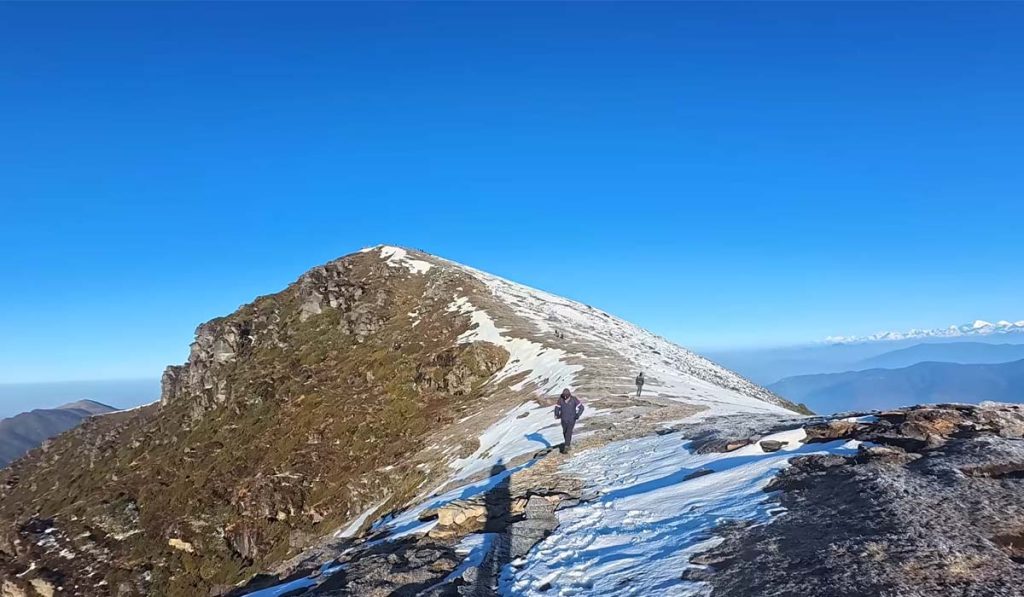
Trail conditions can also vary by season. In dry months, the paths are usually straightforward, though there can be dusty sections, stone steps, and uneven ground. In winter, frost or snow can make the upper section harder. During the monsoon or just after rain, muddy trails and slippery descents can slow you down.
Altitude is the biggest factor
For most people, altitude is the real reason the trek feels harder than expected. At over 4,000 meters, even fit hikers can notice slower breathing, reduced stamina, and mild headaches if they ascend too quickly.
The good news is that Pikey Peak is still lower than many classic Himalayan treks. That reduces the overall risk compared to routes that push well beyond 5,000 meters. Still, lower risk does not mean no risk. If your itinerary goes up too fast, or if you ignore early symptoms of altitude sickness, the trek can become difficult very quickly.
A sensible pace matters more than many trekkers realize. Drinking enough water, walking slowly on climbs, sleeping well, and not trying to prove your fitness on the first day all make a real difference. On Himalayan trails, strong hikers who start too fast often suffer more than average hikers who move steadily.
Daily walking distance and terrain
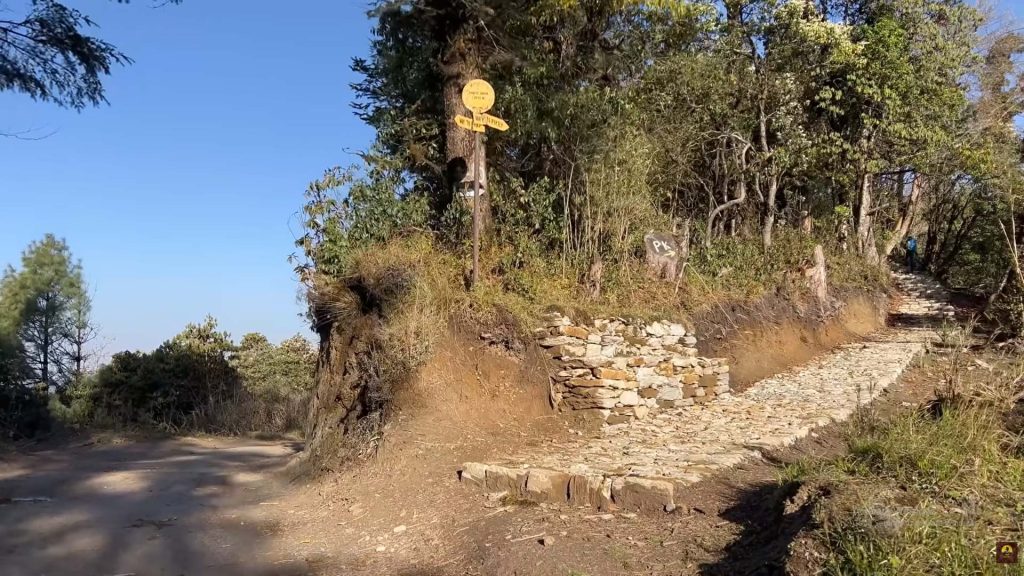
Most days on the Pikey Peak Trek involve around 5 to 7 hours of walking, depending on the route, overnight stops, and your pace. That is manageable for many active travelers, but it is still a full trekking day, especially at altitude.
The terrain is usually non-technical. You can expect forest trails, ridge walks, village paths, open hillsides, and some steep uphill or downhill stretches. There may be stone stair sections and rough patches, but this is not a trek where you need your hands for climbing or any specialized mountain skills.
What catches some trekkers off guard is the amount of ascent and descent. A day that looks short on paper can still feel tiring if the trail keeps rising and falling. Descents, in particular, can be hard on the knees, especially if you are not used to trekking for several consecutive days.
Is Pikey Peak suitable for beginners?
Yes, for many beginners, Pikey Peak is a very good first trek in Nepal. But that comes with an important condition: beginner does not mean unprepared.
If you are generally active, can walk for several hours, and give yourself time to acclimatize properly, this trek is realistic. It is especially suitable for travelers who want a quieter alternative to the Everest region’s busier routes while still enjoying outstanding mountain views.
On the other hand, if you have never hiked before, struggle with sustained uphill walking, or plan to arrive in Nepal and start trekking immediately without preparation, you may find it harder than expected. The trek rewards steady effort, not guesswork.
A strong beginner with discipline often does well here. An overconfident traveler with no training often struggles.
How fit do you need to be?
You do not need elite endurance, but you should have a good basic fitness level. A useful benchmark is being able to walk uphill for 4 to 6 hours with breaks and still feel capable of repeating that effort the next day.
Before the trek, it helps to build your fitness with regular hiking, stair climbing, brisk walking, jogging, or cycling. Leg strength and cardiovascular fitness matter most. If you can train with a light backpack, even better, because it prepares your body for the rhythm of trekking.
Fitness, however, is only part of the picture. Recovery matters too. If your body handles back-to-back active days well, you are much more likely to enjoy this route. If one long walk leaves you exhausted for two days, then more preparation is needed.
How difficult is the Pikey Peak Trek in different seasons?
Season changes the feel of this trek more than many people expect.
In spring, the route is usually at its most balanced. Temperatures are moderate, rhododendron forests can be in bloom, and visibility is often very good. For many trekkers, this is when the difficulty feels most manageable.
Autumn is also excellent, with stable weather and clear skies. Trails are generally dry, and the mountain views are often at their best. This is another season when the trek is moderate rather than severe for prepared walkers.
Winter can make the trek noticeably harder. Cold mornings, possible snowfall, and icy sections near the higher viewpoints increase the physical challenge. The route can still be beautiful and very rewarding, but you need warmer gear and more caution.
During the monsoon, leeches in lower areas, muddy paths, cloud cover, and slippery trails can make the experience more difficult and less predictable. It is not the ideal season for most trekkers if comfort and visibility are priorities.
Mental difficulty matters too
Physical fitness gets most of the attention, but mindset matters on Pikey Peak. Early starts, basic teahouse conditions in some villages, simple meals, and changing weather can feel tiring if you expect too much comfort.
This is not an extreme wilderness trek, but it is still a remote hill route where flexibility helps. A delayed vehicle, a colder room than expected, or a tougher climb before breakfast is all part of the experience. Trekkers who accept that usually enjoy the journey much more.
Ways to make the trek easier
A few simple decisions can reduce the difficulty significantly. Choose an itinerary with sensible altitude gain. Start training before you arrive. Pack light but do not cut essentials like warm layers, good boots, and sun protection. Trek at your own pace rather than following the fastest person in the group.
Hiring a guide can also help, especially if this is your first trek in Nepal. A good guide does more than show the trail. They help with pacing, daily planning, local logistics, weather judgment, and early recognition of altitude issues. That support often turns a stressful trek into an enjoyable one.
Who should and should not choose this trek?
Pikey Peak is a strong choice for trekkers who want a short Himalayan adventure with serious views, moderate challenge, and less crowding than Nepal’s major routes. It suits active beginners, intermediate hikers, photographers, and travelers who value both scenery and cultural experience.
It may not be the best fit for people looking for a very easy walk, those with no time to prepare, or trekkers who already know they struggle badly at altitude. Likewise, if your goal is a long high-altitude challenge, you may find Pikey Peak rewarding but not especially demanding.
So, how difficult is the Pikey Peak Trek? For most trekkers, it is challenging enough to feel like a real Himalayan achievement, but not so hard that it is out of reach. With smart preparation and a realistic itinerary, it is one of the most approachable viewpoint treks in Nepal – and one of the most satisfying for the effort involved.