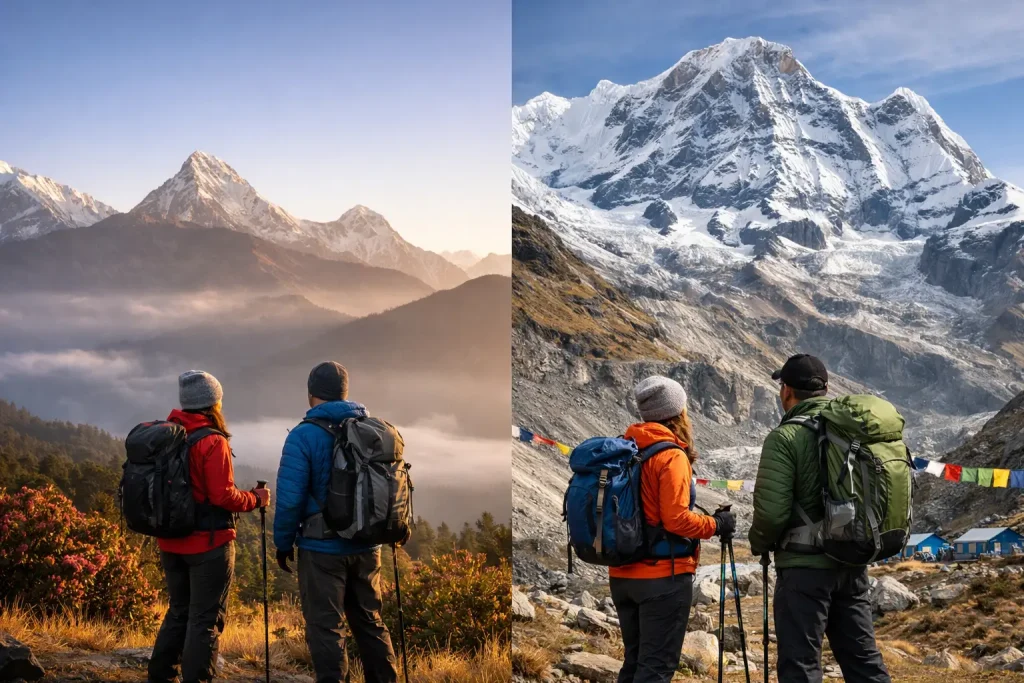
If you are wondering, Can Beginners Do Poon Hill Trek? The short answer is yes. Among Nepal’s popular Himalayan treks, Poon Hill is one of the most beginner-friendly options. It offers mountain views, traditional villages, rhododendron forests, and a real trekking experience without the long duration, extreme altitude, or technical demands of harder routes.
That said, beginner-friendly does not mean effortless. You still walk for several hours a day, climb a lot of stone steps, and deal with changing weather and basic mountain accommodation. Many first-time trekkers do very well on this route, but the experience is far better when you understand what makes it manageable and where it can still feel challenging.
Can Beginners Do Poon Hill Trek Safely?
Yes, most healthy beginners can do the Poon Hill Trek safely if they have reasonable fitness, walk at a steady pace, and allow enough time for the route. This trek is often recommended to first-time trekkers in Nepal because it gives a strong introduction to multi-day hiking without taking you into very high or remote terrain.
The classic Poon Hill route usually starts from the lower Annapurna region, often from Nayapul, Ulleri, or Hile depending on the itinerary and road conditions. Most itineraries take 4 to 5 days, though some are shorter or longer. The highest point is Poon Hill itself at about 3,210 meters or 10,531 feet. That altitude is high enough for some people to feel the effort, but it is still much lower than treks like Everest Base Camp or Annapurna Circuit.
For beginners, this matters a lot. Lower altitude generally means lower risk of serious altitude issues, shorter walking days, easier logistics, and more comfortable recovery each night. Tea houses are widely available on this route, and the trail is well established, which makes it less intimidating for someone doing their first trek in Nepal.
What makes Poon Hill a good first trek?
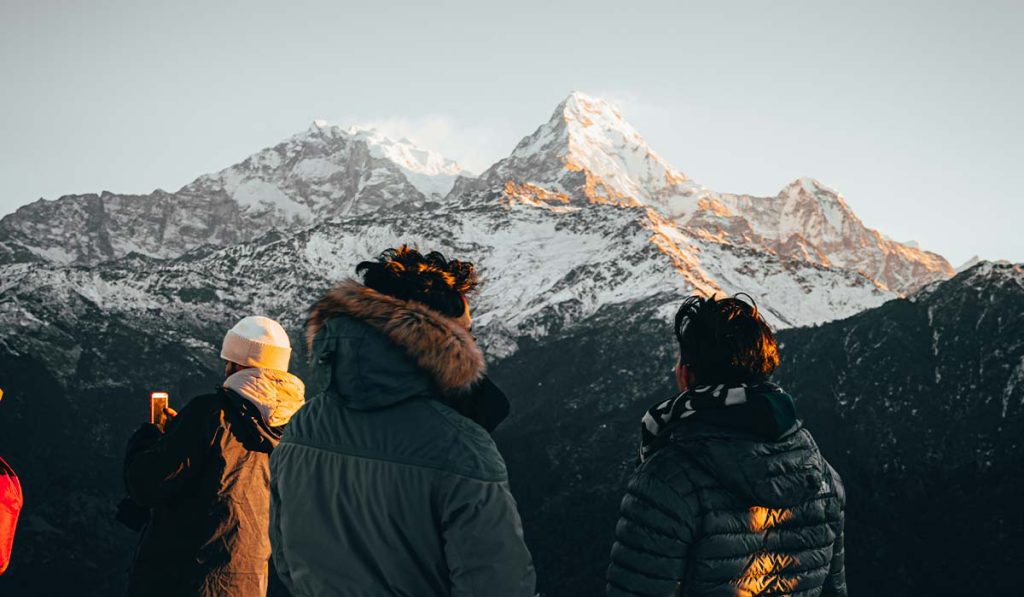
Poon Hill works well for beginners because it balances reward and effort better than many other Himalayan routes. You get sunrise views of Annapurna, Dhaulagiri, Machhapuchhre, and surrounding peaks without committing to a long expedition-style trip. In a few days, you can experience stone villages, terraced hillsides, forest trails, and mountain panoramas that feel distinctly Himalayan.
Another reason is the trekking rhythm. The route usually has predictable daily stages, regular meal stops, and accessible overnight villages such as Tikhedhunga, Ulleri, Ghorepani, and Ghandruk. That structure gives beginners confidence. You are not camping in the wilderness or crossing isolated high passes. You are trekking in a region with a long history of hosting walkers.
The route also teaches useful lessons for future treks. Beginners learn how to pace themselves uphill, how much clothing they actually need, what tea house trekking feels like, and how altitude changes energy levels. For many trekkers, Poon Hill becomes the trek that prepares them for longer routes later.
Where beginners usually struggle
The biggest surprise for many first-timers is not altitude. It is the stairs.
The uphill section toward Ulleri is famous for its long stone staircase. Depending on your starting point and exact route, this can feel relentless, especially if you arrive with little hiking experience. Even fit travelers who do gym workouts sometimes find these climbs harder than expected because trekking uses endurance more than short bursts of strength.
The second challenge is daily consistency. On paper, 4 to 6 hours of walking may not sound extreme, but doing it for several days in a row is different from a single day hike. If you start too fast, carry too much, or do not drink enough water, the route feels much tougher.
Weather can also change the experience. In clear conditions, the trek is very enjoyable for beginners. In rain, cold wind, or muddy trail sections, it feels more demanding. Winter mornings can be freezing around Ghorepani and Poon Hill, even when daytime trekking is pleasant. During monsoon, leeches and slippery trails can discourage first-time trekkers.
How fit do you need to be?
You do not need mountaineering experience, and you do not need to be an athlete. But you should be able to walk uphill for several hours at a steady pace. A good benchmark for beginners is being comfortable with long walks, regular stair climbing, and light day hikes before arriving in Nepal.
If you are currently inactive, Poon Hill can still be realistic with some preparation. A few weeks of walking, stair training, and basic cardio make a noticeable difference. Focus less on speed and more on endurance. Trekking in Nepal is usually not about racing. It is about moving steadily, breathing well, and finishing each day with energy left.
For older trekkers or families with teenagers, Poon Hill is often a sensible choice because the route can be adjusted. A slower itinerary with shorter days makes it much more comfortable. This is one reason experienced local operators often recommend the route for first-time visitors.
Altitude and difficulty: easier than many Nepal treks, but not easy
Poon Hill is generally rated easy to moderate, not completely easy. That distinction matters.
Compared with treks that go above 4,000 or 5,000 meters, Poon Hill is much easier. The altitude is lower, the duration is shorter, and the villages are closer together. But compared with an ordinary vacation walk, it is still physically demanding. Continuous ascent, uneven trails, early morning starts, and cold temperatures add effort.
Most beginners do not get severe altitude sickness on this trek, but mild symptoms like headache, poor sleep, or shortness of breath can happen, especially if you ascend quickly or arrive tired. The pre-dawn hike from Ghorepani to Poon Hill can also feel harder than expected because it is dark, cold, and uphill.
The good news is that the route gives you room to manage difficulty. A sensible pace, proper hydration, warm layers, and enough rest usually solve most beginner problems before they grow.
Best season for beginners
If you are doing your first trek in Nepal, season matters more than many people realize.
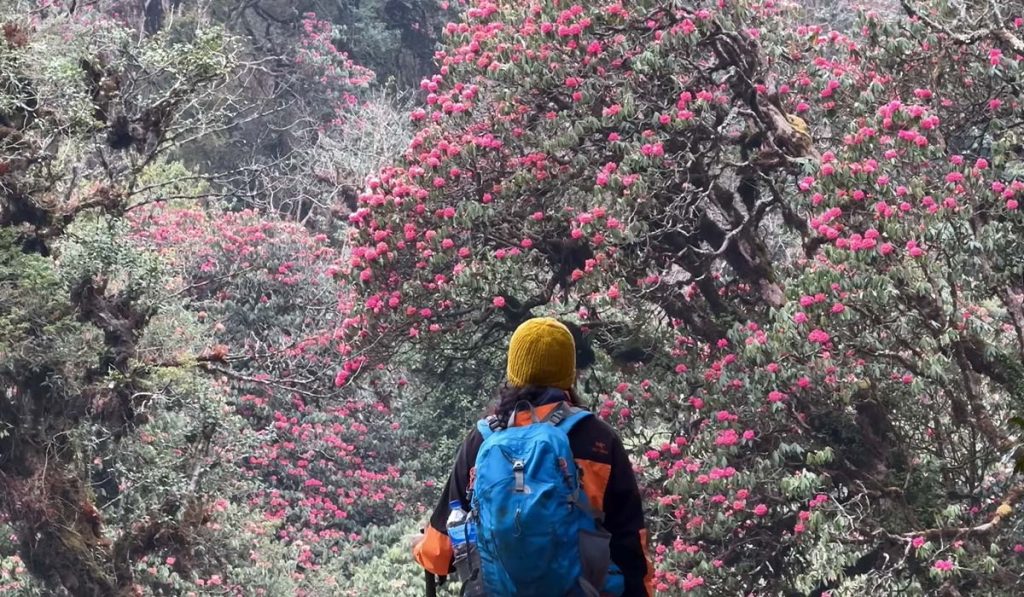
Spring, from March to May, is one of the best times for beginners. The forests are beautiful with rhododendron bloom, temperatures are moderate, and the trail atmosphere is lively. Autumn, from late September to November, is also excellent because skies are often clear and mountain visibility is strong.
Winter can still work for beginners who are prepared for cold mornings and possible frost. The trails are often quieter, which some trekkers enjoy. Monsoon is the least beginner-friendly period because rain, cloud cover, slippery steps, and insects can make a short trek feel frustrating.
If your main goal is to enjoy the trek rather than test yourself, choose a stable weather season. Good conditions make everything easier, from walking to sleeping to enjoying the sunrise viewpoint.
Practical tips for first-time trekkers on Poon Hill
Pack light. This is one of the most useful beginner lessons in Nepal. A heavy bag makes every staircase worse. Bring the basics: layers, a rain jacket, gloves for cold mornings, broken-in hiking shoes, a refillable water bottle, and a few personal essentials.
Start slowly on day one. Many beginners waste energy by trying to match faster trekkers early in the trek. Your best pace is the one you can hold without feeling exhausted. Small, steady steps work better than pushing hard on every climb.
Use trekking poles if your knees are sensitive or if you are unsure on descents. They help far more than many first-time trekkers expect, especially on stone steps.
Sleep, food, and hydration also matter. Tea house meals on this route are simple but sufficient, and eating regularly helps maintain energy. Drink more water than you think you need, particularly on uphill sections.
If you are nervous about logistics, going with a guide can make the experience much easier. You do not need technical support on this route, but local guidance helps with pace, route decisions, accommodation, and practical confidence. For beginners visiting Nepal for the first time, that support often turns uncertainty into enjoyment.
Is Poon Hill better than Everest Base Camp for beginners?
For most first-time trekkers, yes.
Everest Base Camp is more famous, but it is longer, higher, colder, and more physically demanding. It also has a higher chance of altitude-related problems. Poon Hill gives beginners a more achievable first Himalayan trek while still delivering excellent scenery and a strong sense of accomplishment.
That does not mean Poon Hill is only for beginners. Many experienced trekkers still enjoy it because it is short, scenic, culturally rich, and easy to fit into a Nepal trip. But if you are deciding between ambition and realism for your first trek, realism usually leads to the better experience.
So, can beginners do Poon Hill?
Yes, beginners can absolutely do Poon Hill, provided they arrive with realistic expectations. It is one of the best entry-level treks in Nepal because it offers real mountain trekking without the exposure, altitude, and length of more advanced routes. You do not need technical skills, but you do need decent stamina, a willingness to walk uphill, and respect for mountain conditions.
If you prepare a little, choose the right season, and give yourself time to enjoy the route, Poon Hill is not just possible for beginners. It is often the trek that makes people want to come back for more.