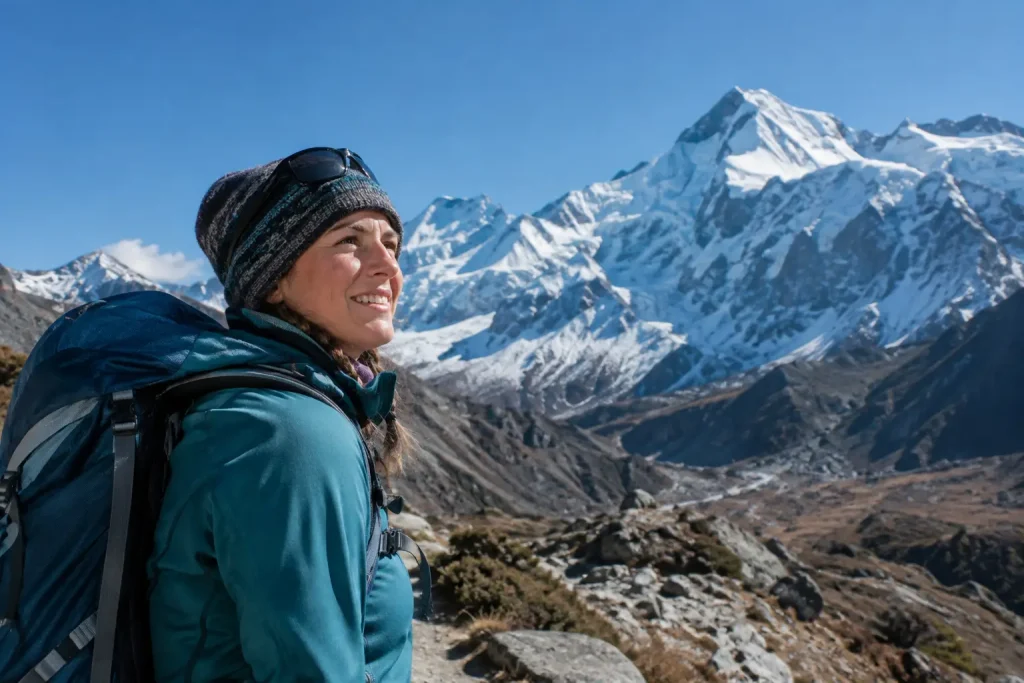
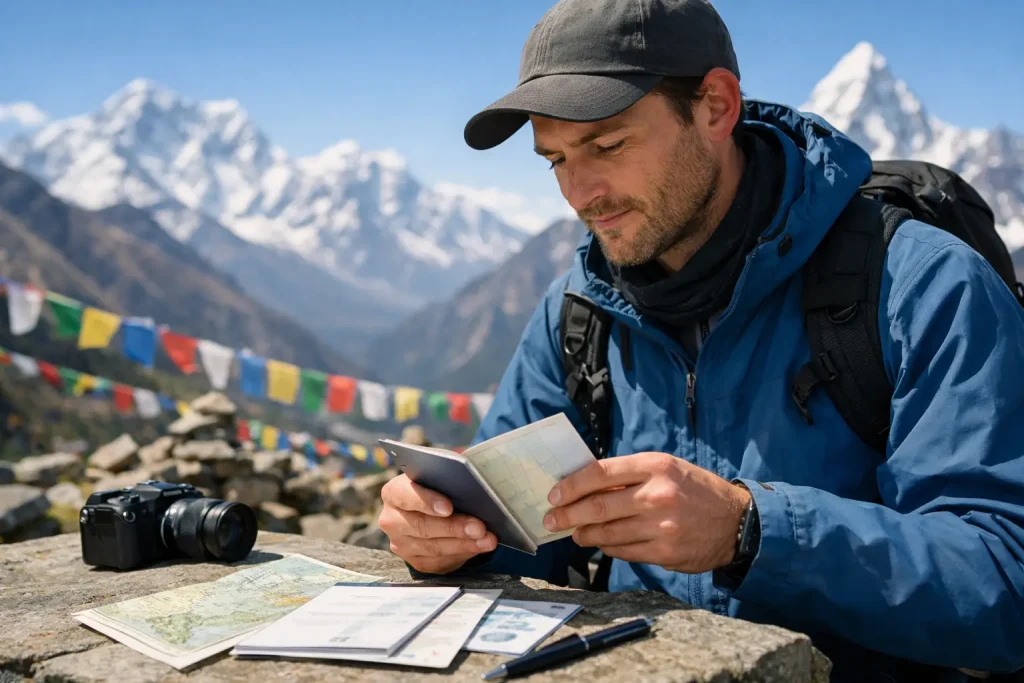
Landing in Lukla at 9,334 feet and reaching Namche Bazaar the next day can feel manageable when you are fit and motivated. The risk is that your body does not adapt to altitude on motivation alone. Acclimatization for Everest is the central safety task on any Everest Base Camp, Gokyo Lakes, or Three Passes itinerary, and a rushed schedule is one of the most avoidable mistakes on the route.
Most trekkers do not need technical mountaineering experience for Everest Base Camp. They do need a realistic itinerary, the discipline to report symptoms early, and the willingness to descend if their body is not adjusting well. Altitude illness can affect strong, experienced hikers as well as first-time trekkers.
Why acclimatization matters on Everest treks
As elevation rises, air pressure drops. Each breath contains less available oxygen, forcing your body to work harder during rest, sleep, and exercise. Over several days, the body begins to compensate by increasing breathing rate and making other physiological adjustments. That adaptation takes time.
The Everest Base Camp Trek begins at a height where altitude illness is already possible and quickly moves into elevations above 11,500 feet. Namche Bazaar sits at roughly 11,286 feet, Dingboche at about 14,470 feet, Lobuche around 16,207 feet, and Everest Base Camp near 17,598 feet. The issue is not simply reaching these numbers. It is how quickly you sleep at progressively higher elevations.
A person may feel excellent while walking uphill yet develop a headache, poor appetite, nausea, or restless sleep several hours later. This is why a trek plan must be based on sleeping altitude and symptoms, not just daytime hiking performance.
A sensible acclimatization for Everest schedule
For the standard Everest Base Camp route, most well-designed itineraries allow 12 to 14 days from Lukla to Lukla, including at least two acclimatization days. Shorter schedules are available, but they leave less room for weather delays, fatigue, and a slow response to altitude.
The common first acclimatization stop is Namche Bazaar. Trekkers usually spend two nights there after walking from Phakding. The next rest stop is often Dingboche, where two nights provide valuable time before the route climbs toward Lobuche and Gorak Shep.
An acclimatization day is not necessarily a day spent indoors. The usual principle is climb high, sleep low. From Namche, a day hike toward Hotel Everest View, Khumjung, or Syangboche provides higher-elevation exposure before returning to sleep in Namche. From Dingboche, hikers commonly ascend toward Nangkartshang Peak or another nearby viewpoint, then descend back to the village.
These hikes should be controlled, not competitive. The goal is gradual exposure and recovery, not exhausting yourself for a summit photo. If symptoms worsen during the hike or later that evening, the itinerary needs to be reassessed.
How fast should you ascend?
Once above roughly 9,800 feet, a conservative guideline is to limit increases in sleeping elevation to around 1,000 to 1,600 feet per day when possible, with an extra night every three to four days. Everest itineraries do not always fit this rule perfectly because village locations and trail stages are fixed. That makes planned acclimatization days even more valuable.
The stretch from Dingboche to Lobuche is a meaningful jump in sleeping altitude. It is also where many trekkers notice slower pace, poor sleep, and reduced appetite. A two-night stay in Dingboche before moving higher is far more useful than trying to compensate by walking slowly on the day to Lobuche.
Trekkers heading to Gokyo or crossing the Everest Three Passes need additional time. These routes involve high passes, remote valleys, and nights at significant elevation. A standard Everest Base Camp itinerary should not simply be compressed and repurposed for the Three Passes route.
Know the symptoms before leaving Kathmandu
Acute mountain sickness, usually called AMS, is the most common altitude problem. Mild AMS often begins with a headache plus one or more symptoms such as nausea, loss of appetite, dizziness, unusual fatigue, or poor sleep. These signs should never be dismissed as just dehydration, jet lag, or a hard trekking day.
If symptoms are mild and improving, the safest response may be to rest at the same elevation, avoid further ascent, stay warm, eat what you can tolerate, and monitor closely. Do not continue upward while symptoms are worsening.
Severe altitude illness is an emergency. High-altitude cerebral edema, or HACE, can cause confusion, loss of coordination, severe weakness, or difficulty walking in a straight line. High-altitude pulmonary edema, or HAPE, can cause breathlessness at rest, persistent cough, chest tightness, blue or gray lips, and a crackling sound in the lungs. Both require immediate descent and urgent medical support.
No itinerary goal is worth gambling against these symptoms. Descending even a few thousand feet can be lifesaving, and evacuation options become more limited and expensive in poor weather or remote sections of the trail.
Fitness helps, but it does not prevent altitude illness
Training before an Everest trek is still essential. Better aerobic conditioning, leg strength, and hiking endurance make long days more manageable and reduce overall fatigue. They do not make someone immune to AMS.
A marathon runner can develop altitude illness, while a slower hiker may acclimatize well. Age, gender, and past trekking experience are also unreliable predictors. Previous altitude history is useful, particularly if you have had AMS, HAPE, or HACE before, but every ascent should be treated as a new situation.
The practical advantage of fitness is pacing control. A conditioned trekker can walk steadily without sprinting steep climbs, recover more effectively between days, and keep energy in reserve for high-altitude sections. On the trail, slow and consistent is generally better than fast and depleted.
Hydration, food, sleep, and alcohol
Dehydration does not directly cause altitude illness, but it can worsen headaches, fatigue, and confusion about what your symptoms mean. Drink regularly throughout the day, using thirst and urine color as basic guides. Do not force excessive amounts of water, particularly if you are not eating normally.
At altitude, appetite often falls just when your body needs energy. Choose familiar, carbohydrate-rich meals such as rice, potatoes, pasta, soup, porridge, and bread. Small frequent meals are often easier than a large dinner. Carry snacks for the trail, especially for long days between villages.
Sleep may become lighter and more disrupted as you go higher. This is common, but severe sleeplessness alongside headache, nausea, or dizziness deserves attention. Keep warm at night, use a suitable sleeping bag, and avoid exhausting late-evening activity.
Alcohol is best avoided once the trek begins, especially at higher villages. It contributes to dehydration, disrupts sleep, and can make symptom assessment less clear. Sleeping pills and sedatives should only be used with medical advice because they may suppress breathing during sleep.
Should you take Diamox?
Acetazolamide, commonly known as Diamox, can support acclimatization by helping the body breathe more effectively at altitude. It is not a substitute for a sensible ascent plan, and it does not give you permission to continue climbing with worsening symptoms.
Whether to use it preventively depends on your itinerary, previous altitude response, medical history, allergies, and clinician guidance. Many trekkers discuss it with a travel medicine specialist before leaving home, particularly if they have a tight schedule or a history of AMS. If prescribed, it is wise to understand the dose, common side effects, and when to start it before you are on the trail.
Possible side effects include tingling in fingers or toes, more frequent urination, and altered taste for carbonated drinks. A qualified medical professional should advise anyone with kidney concerns, medication interactions, pregnancy, or a history of severe allergic reactions.
Build flexibility into the trek plan
The strongest Everest itinerary has spare time. Weather can delay flights to and from Lukla, and a poorly timed push upward can turn a mild issue into a forced evacuation. Add buffer days in Kathmandu before your international departure and avoid booking a trek schedule that leaves no room for an extra night in Namche or Dingboche.
Travel insurance should specifically cover trekking to your planned maximum elevation, helicopter evacuation, and medical treatment. Check the policy wording before purchase. General travel insurance often has altitude limits that do not cover Everest Base Camp or the Three Passes.
A reputable guide can help monitor your condition, adjust daily pacing, and organize a descent if needed. However, the trekker still has a responsibility to be honest about symptoms. Hiding a headache because you do not want to slow the group is one of the worst decisions you can make in the Khumbu.
The mountain will still be there after an extra rest day. Give your body the time it needs, keep your plans flexible, and treat descent as sound mountain judgment rather than failure.