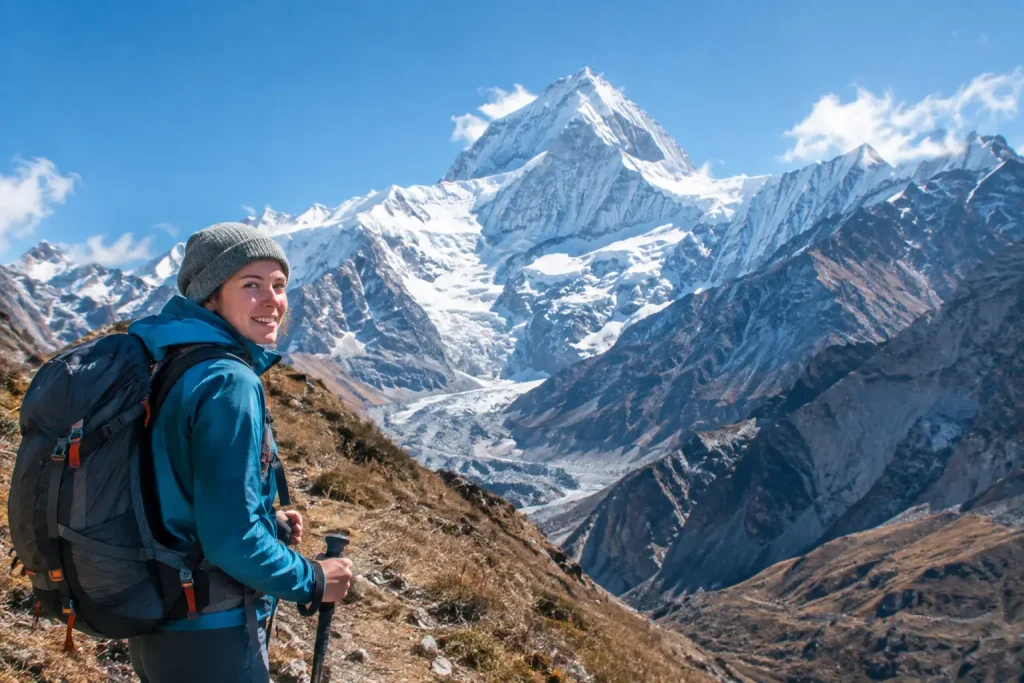
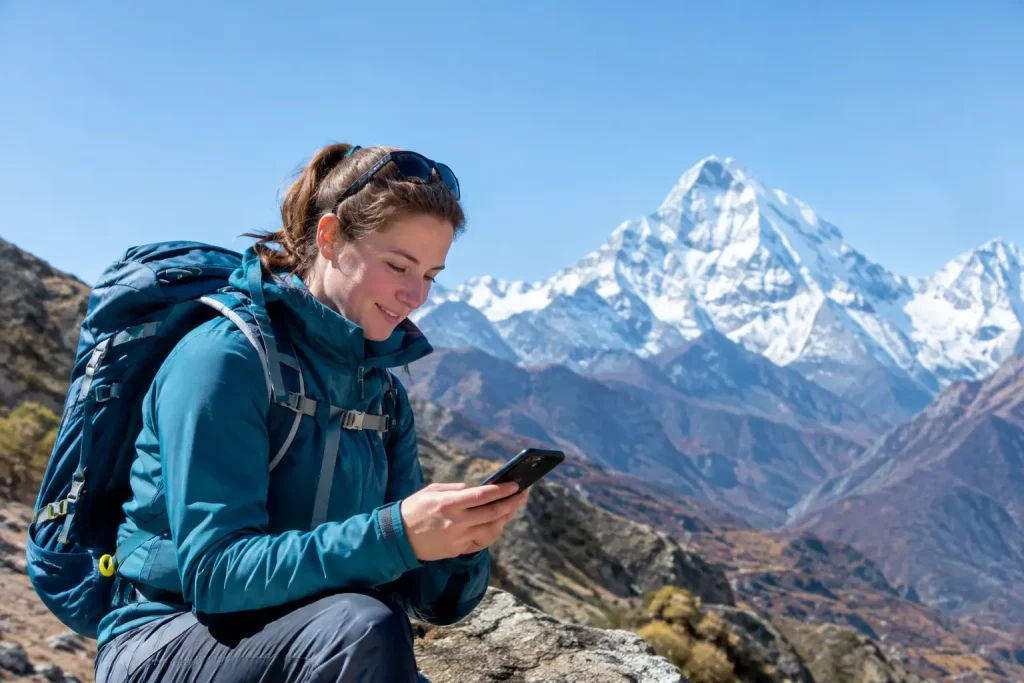
A good Everest region acclimatization day example is not a day spent entirely in a teahouse. The goal is usually to walk to a higher elevation during the day, return to a lower sleeping altitude, eat and drink well, and give your body time to adjust before continuing upward. On routes toward Everest Base Camp, Gokyo Lakes, or the Three Passes, these planned pauses are among the most important safety features of the itinerary.
Altitude affects people differently. A strong hiker can develop acute mountain sickness, while a slower trekker may feel fine. Fitness helps you manage long walking days, but it does not make you immune to altitude illness. Your itinerary, sleeping elevations, pace, hydration, and willingness to stop or descend matter more.
Why Acclimatization Days Matter in the Everest Region
Most Everest region treks begin with a flight to Lukla at about 9,383 feet (2,860 meters). From there, the route rises quickly. Namche Bazaar sits at 11,286 feet (3,440 meters), Dingboche at 14,469 feet (4,410 meters), Lobuche at 16,207 feet (4,940 meters), and Gorak Shep at 16,942 feet (5,164 meters).
That progression leaves little room for rushed schedules. A standard Everest Base Camp itinerary normally includes two acclimatization days: one in Namche Bazaar and one in Dingboche. These stops break up the ascent and follow a practical principle: hike high, sleep low.
The phrase can be misunderstood. It does not mean pushing to an extreme elevation simply because you can. It means taking a controlled daytime hike above your lodge, then returning to a lower altitude to sleep. The hike should support acclimatization, not leave you exhausted, dehydrated, or struggling with symptoms.
Everest Region Acclimatization Day Example: Namche Bazaar
Namche Bazaar is the first major acclimatization stop for most trekkers. After arriving from Phakding, many people feel the elevation for the first time. The climb into Namche is sustained, and the last section can be demanding even for fit hikers.
A sensible schedule looks like this:
| Day | Route | Sleeping elevation | |—|—|—:| | 1 | Fly to Lukla, trek to Phakding | 8,563 ft / 2,610 m | | 2 | Phakding to Namche Bazaar | 11,286 ft / 3,440 m | | 3 | Acclimatization hike above Namche, sleep in Namche | 11,286 ft / 3,440 m | | 4 | Namche Bazaar to Tengboche or Deboche | 12,664-12,795 ft / 3,860-3,900 m |
On Day 3, many trekkers hike to the Hotel Everest View area at roughly 12,730 feet (3,880 meters). The route climbs steadily from Namche and provides an effective altitude gain without committing you to a higher overnight stay. If weather permits, this is also one of the first places where Everest, Lhotse, Ama Dablam, and Nuptse may be visible.
From there, you can return directly to Namche or continue through Khumjung village before descending. The full outing generally takes several hours at an easy pace. There is no benefit in racing it. Walk slowly enough to hold a conversation, take regular breaks, and return to Namche with energy left for recovery.
Trekkers who wake with a mild headache but otherwise feel well may still be able to do a short, gentle acclimatization walk. However, a worsening headache, nausea, dizziness, unusual fatigue, or poor coordination calls for a more cautious response. Do not attempt a high hike simply to follow the itinerary.
Second Acclimatization Day Example: Dingboche
The second standard rest stop is Dingboche. By this point, the trek has passed Tengboche and entered a more exposed, higher-altitude landscape. Nights are colder, sleep is often lighter, and the cumulative effect of several days above 12,000 feet becomes more noticeable.
A typical sequence is Namche to Tengboche or Deboche, then to Dingboche, followed by an acclimatization day before the trek continues to Lobuche. The recommended daytime hike is commonly toward Nangkartshang Peak or the ridge above Dingboche.
You do not need to reach the summit. Even gaining a few hundred meters before descending can be useful. Conditions matter: wind, snow, trail ice, cloud cover, and how everyone feels that morning should determine the turnaround point. The ridge can rise above 16,000 feet (4,900 meters), so it is a serious outing rather than a casual stroll.
After returning to Dingboche at 14,469 feet (4,410 meters), the afternoon should be deliberately quiet. Eat a substantial meal, drink regularly, keep warm, and avoid adding unnecessary activity. Alcohol and sleeping pills can worsen sleep quality and complicate symptom monitoring at altitude, so they are best avoided.
What an Acclimatization Day Should Feel Like
A successful acclimatization day is active but conservative. Most people should feel like they exercised, not like they completed their hardest day of the trek. The objective is adaptation, and adaptation requires recovery.
Morning is usually the best time for the hike. Himalayan weather often becomes cloudier and windier later in the day, particularly in the spring and monsoon seasons. Start after breakfast, move at a measured pace, and return before afternoon conditions become less predictable.
Plan to drink enough that your urine remains pale yellow, while avoiding forced overhydration. Warm drinks, soup, and regular meals help because appetite can decrease at altitude. Carbohydrate-rich foods are common on Everest region menus and are often easier to tolerate than heavy, greasy meals.
Sleep may still be poor. Many trekkers wake frequently or notice periodic breathing at higher elevations. This can be uncomfortable but is common. What matters is how you feel while awake and whether symptoms are improving, stable, or getting worse.
When to Add an Extra Day
The standard two-stop itinerary works for many healthy trekkers, but it is not automatically enough for everyone. Consider an extra acclimatization day if your schedule allows and you have a history of altitude problems, a slow ascent due to weather delays, persistent mild symptoms, or limited recent experience above 10,000 feet.
An extra day in Namche is especially useful for travelers flying directly from sea level and arriving tired after international travel. An added day in Dingboche can be valuable before heading to Lobuche and Gorak Shep, where sleeping elevations increase sharply and options for an easy descent become more limited.
The trade-off is time and cost. Teahouse accommodation, food, guide services, and travel insurance coverage may all be affected by a longer itinerary. Still, building a buffer is generally wiser than booking the minimum possible number of days and feeling pressured to continue when your body says otherwise.
Acclimatization on the Gokyo and Three Passes Routes
The same approach applies beyond the Everest Base Camp trail. On the Gokyo Lakes Trek, trekkers commonly acclimatize in Namche before moving through Dole and Machhermo toward Gokyo. Depending on the itinerary and how the group feels, an additional acclimatization hike near Machhermo or Gokyo can be sensible.
The Three Passes Trek demands even more caution. High crossings such as Cho La, Renjo La, and Kongma La require strong weather windows, early starts, and sound acclimatization. A fast itinerary may look efficient on paper but can leave little margin for altitude symptoms, snow delays, or fatigue. For this route, extra days are practical planning rather than a luxury.
Symptoms That Change the Plan
Mild acute mountain sickness can include headache, reduced appetite, nausea, poor sleep, and unusual tiredness. If symptoms are mild and not worsening, remain at the same sleeping altitude, rest, hydrate, and reassess. Do not ascend until you are improving.
Severe headache, repeated vomiting, confusion, loss of coordination, shortness of breath at rest, or a wet-sounding cough are emergency warning signs. These may indicate serious altitude illness. Descent is the priority, along with immediate medical assessment and appropriate treatment. No summit objective, flight booking, or itinerary commitment is worth ignoring these symptoms.
Diamox can support acclimatization when used appropriately, but it does not replace a gradual ascent. Discuss its use, dosage, allergies, and side effects with a qualified medical professional before traveling. Your guide can help assess conditions on the trail, but each trekker should understand the basics before leaving Kathmandu.
A well-planned Everest trek gives you permission to slow down. Use acclimatization days to gain altitude carefully, monitor your body honestly, and preserve strength for the high sections ahead. The mountains will still be there tomorrow, and arriving healthy is the result that matters.