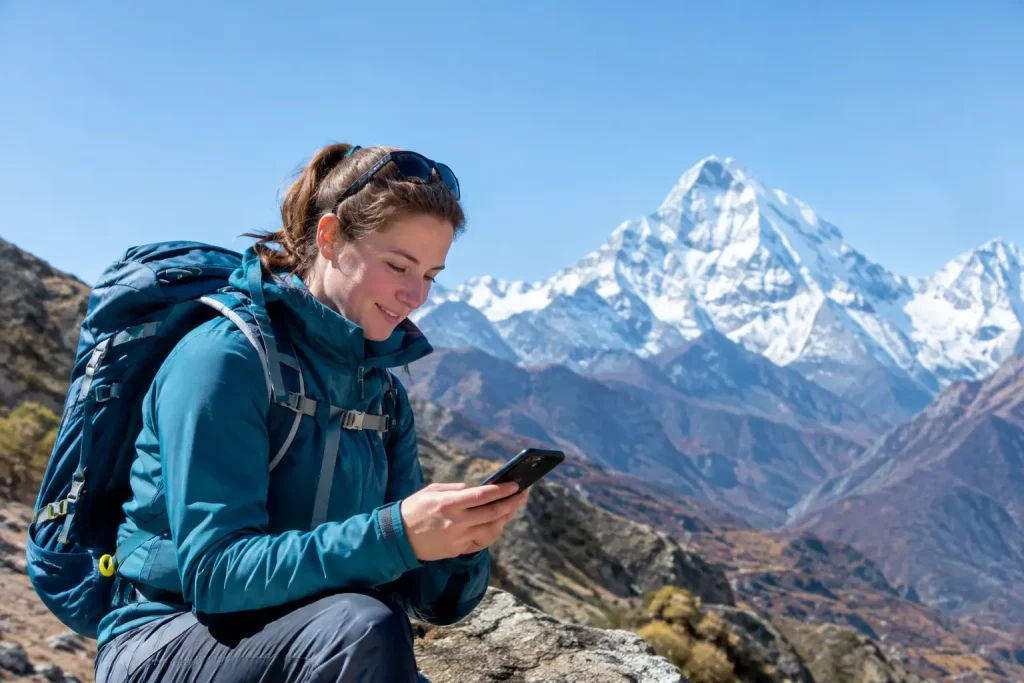
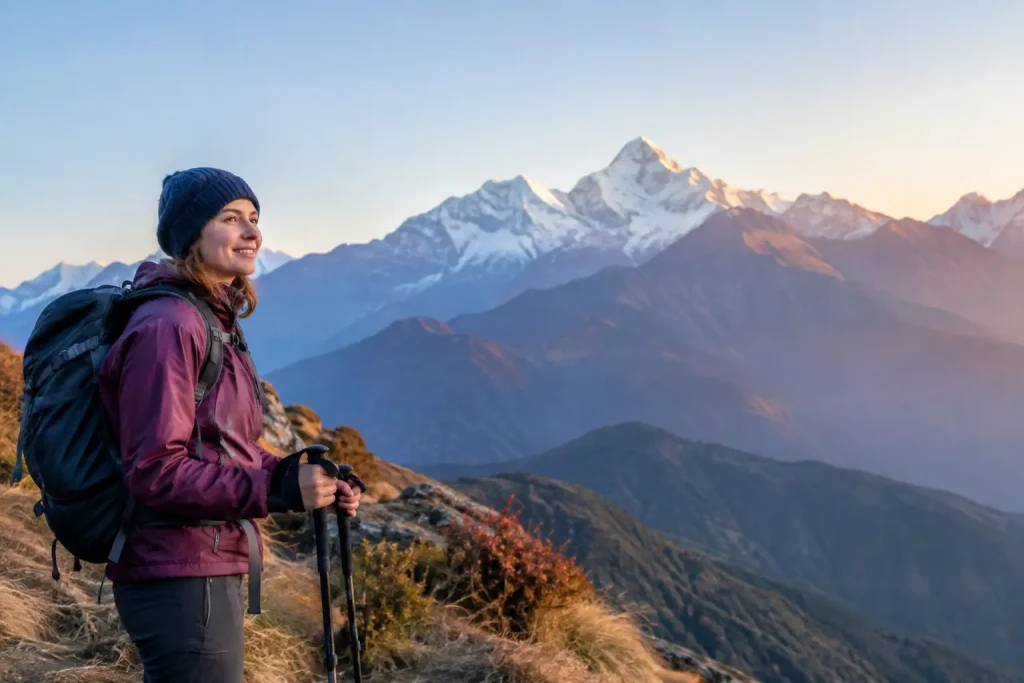
A quiet trail above Namche Bazaar can make solo trekking in Nepal feel wonderfully straightforward. Then a snowfall closes a pass, a headache worsens at 14,000 feet, or a permit checkpoint asks for paperwork you did not expect. The Himalaya rewards independence, but it also makes small planning gaps expensive and occasionally dangerous.
For most international visitors, the first question is not whether they are fit enough to hike alone. It is whether independent trekking is currently allowed on their chosen route, and whether going without a guide is a sensible decision for the season and itinerary.
Can You Trek Solo in Nepal?
The answer depends on what “solo” means. You may travel by yourself while trekking with a licensed Nepali guide, which is often the most practical option. Trekking entirely independently, without a guide or porter-guide, is more restricted than it once was.
Nepal introduced rules requiring foreign trekkers to use licensed guides in many trekking areas. Implementation has varied by region and local authority, so reports from previous travelers can be misleading. Annapurna, Langtang, Manaslu, and other popular areas may have different enforcement practices, permit procedures, and checkpoint requirements. Restricted areas, including Manaslu, Upper Mustang, and Nar Phu, have long required organized arrangements and cannot be treated as independent treks.
The Everest region has at times operated differently from areas managed under the national permit system, and independent trekking has remained possible in some parts of Khumbu. That is not a guarantee. Regulations, local fees, and enforcement can change before a season begins or while you are planning.
Confirm the current rule for your exact route, entry point, and nationality before booking flights. Do not rely on a forum post, an old guidebook, or an assumption that a permit purchased online settles the issue. If a guide is required, arranging one is not merely an administrative hurdle. It gives you a local professional who can adjust the plan when weather, altitude, or transport changes.
Why Solo Trekking in Nepal Requires More Margin
On a well-traveled teahouse route, you are rarely completely alone. You will meet other trekkers, lodge owners, porters, and guides throughout the day. That social safety net is useful, but it is not a substitute for a conservative plan.
Altitude is the central issue. Acute mountain sickness can affect strong hikers, experienced runners, and people who have previously been at altitude without problems. The risk rises with sleeping elevation and a rapid ascent, not with determination. A solo trekker must be willing to stop, take an acclimatization day, or descend immediately without waiting for a partner to agree.
Navigation is another trade-off. Main trails such as Poon Hill, Mardi Himal, Langtang Valley, and the standard Everest Base Camp route are generally clear in good weather. Side trails, early-season snow, landslide detours, fog, and poorly marked junctions can quickly change that. A downloaded offline map, a paper overview map, a charged phone, and a power bank should all be part of the plan.
Weather also carries more weight when you are on your own. Afternoon cloud, rain, and wind are common in the monsoon and shoulder seasons. Higher routes can receive snow in spring and fall, while winter brings shorter daylight and frozen sections. Build extra days into the itinerary rather than treating every transfer and trekking stage as fixed.
The Best Routes for Independent-Minded Trekkers
A route can be appealing for solo travel because it has frequent lodges, reliable trail traffic, moderate navigation demands, and manageable elevation gain. It still needs to be legally available for independent trekking at the time you go.
Poon Hill Trek
The Poon Hill Trek is among the strongest choices for first-time Himalayan trekkers. It is relatively short, has regular teahouses, and offers big Annapurna and Dhaulagiri views without the sustained altitude of longer routes. The steep stone steps around Ulleri and Ghorepani can be demanding, but the itinerary is easier to modify than a remote high-pass trek.
Because it lies in the Annapurna region, check current guide and permit requirements carefully. If a guide is required, this remains a good route for a traveler who wants the freedom of a personal trip without taking unnecessary risks.
Langtang Valley Trek
Langtang provides a more immersive high-mountain experience with a straightforward valley approach, welcoming villages, and worthwhile acclimatization stops. Kyanjin Gompa sits at a significant elevation, so it is not a low-risk stroll. A careful ascent and an extra night there are more valuable than trying to finish quickly.
The route can feel quieter than Annapurna, particularly outside peak season. That makes guide requirements, weather awareness, and communication planning especially relevant.
Mardi Himal Trek
Mardi Himal is short by Himalayan standards but includes steep forest trails, exposed ridgelines, and high viewpoints. It suits fit hikers who are comfortable with sustained uphill days. In cloud, rain, or snow, route-finding near the upper sections is less forgiving than on the Poon Hill trail.
This trek works best when you allow flexibility for conditions. Do not assume a high camp or viewpoint day is safe simply because it is on the original itinerary.
Everest Region Routes
Everest Base Camp and the Gokyo Lakes Trek have extensive lodge networks and plenty of trail traffic in peak season. They are logistical rather than easy treks. Flights to Lukla can be delayed, sleeping elevations are high, and the journey is long enough that fatigue accumulates.
Gokyo is especially rewarding for trekkers who prefer lakes, glacier views, and a less concentrated trail than the standard Base Camp approach. Either route demands disciplined acclimatization. Plan rest days in Namche Bazaar and, depending on the itinerary, Dingboche or another suitable stop.
Routes That Are Poor Choices to Attempt Alone
Remote high-pass routes, winter crossings, and trails with limited lodges are not good places to prove self-reliance. The Three Passes Trek, Dhaulagiri Circuit, Kanchenjunga routes, and remote Dolpo itineraries require more technical judgment, more contingency time, and greater comfort managing isolation. Some also have mandatory guide, permit, or group requirements.
A trek becomes substantially harder when several challenges overlap: high sleeping elevations, a pass above 16,000 feet, unstable weather, limited phone coverage, and no easy route back to a road. Even experienced hikers should consider a guide or a well-matched trekking partner in those circumstances.
Permits, Insurance, and Communication
Permit requirements depend on the region and may include national park or conservation-area entry permits, local government fees, and a Trekkers’ Information Management System card where applicable. Bring passport copies, passport photos, and enough local currency for checkpoints and lodges. Keep permits dry and accessible rather than buried in your duffel.
Insurance needs to cover trekking at your planned maximum elevation and emergency helicopter evacuation. Many standard travel policies exclude high-altitude hiking or impose an elevation limit below common Nepal trekking routes. Read the policy wording before purchase, including exclusions for rescue decisions, pre-existing conditions, and adventure activities.
Nepalese SIM coverage is useful in villages but unreliable as an emergency plan. Tell someone your route, expected lodge stops, and the date by which they should hear from you. A satellite messenger is a worthwhile backup for solo travelers on quieter routes or during shoulder seasons.
A Conservative Altitude Plan
Your schedule should prioritize where you sleep, not how far you walk. Above roughly 9,800 feet, avoid large jumps in sleeping elevation when possible. Include rest or acclimatization days on longer treks, hydrate normally, eat enough, and keep effort controlled on arrival days.
Headache, nausea, unusual fatigue, dizziness, and poor sleep deserve attention. If symptoms worsen at rest, or if you develop confusion, loss of coordination, severe breathlessness, or a persistent cough, descend and seek help. Medication can support a clinician-approved acclimatization plan, but it does not make a dangerous ascent safe.
When a Guide Is the Better Decision
Hiring a guide does not mean surrendering the experience of traveling independently. You can still choose a private pace, carry your own pack, select accommodations, and enjoy time alone on the trail. The difference is that someone is responsible for permits, route changes, lodge coordination, language support, and sound decisions when conditions deteriorate.
For a first trek above 13,000 feet, a winter departure, a tight itinerary, or a route with uncertain regulations, guided support is usually the stronger choice. Himalaya Wanderer readers who want help moving from route research to on-the-ground arrangements can also work through Radiant Treks for guides, permits, and customized logistics.
The best Nepal trek is not the one that looks most independent on paper. It is the one whose route, rules, fitness demands, and safety margins match the way you are actually prepared to travel.