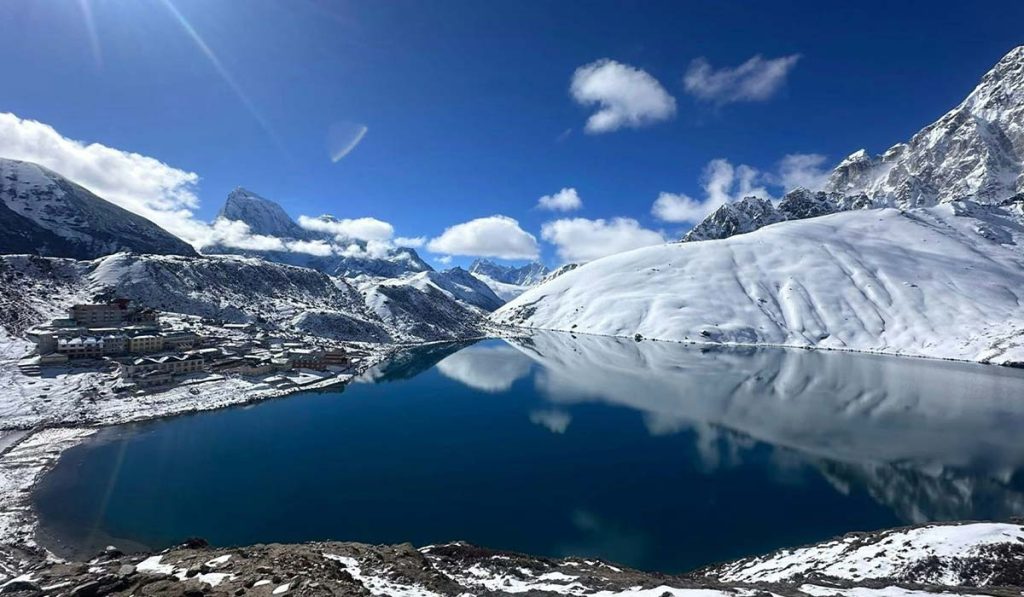
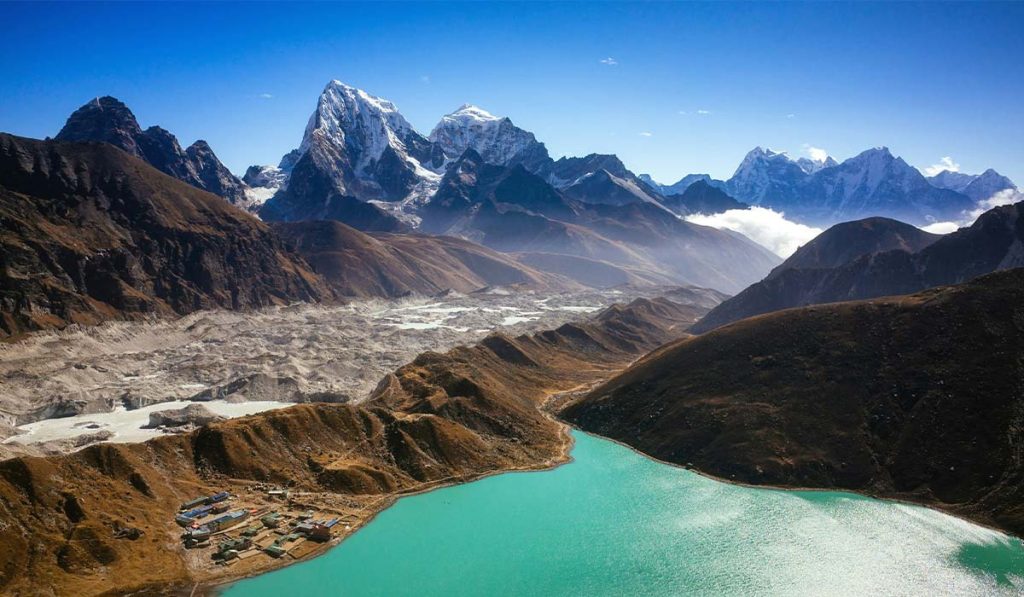
At Gokyo, the scenery can make people forget where they are – well above 4,000 meters, where every step feels different, sleep can become lighter, and appetite often changes. Trekking at High Altitude: What to Expect at the Gokyo Lake trek is not only about reaching a beautiful lake system in the Everest region. It is about understanding how your body, pace, and daily routine will shift as you move higher.
Gokyo is one of the most rewarding high-altitude trekking destinations in Nepal, but it asks for respect. The combination of thin air, cold nights, strong sun, and long walking days can surprise even fit trekkers. If you know what is normal, what is not, and how to pace yourself, the trek becomes far more enjoyable and much safer.
Why Gokyo feels different from lower treks
Many trekkers notice the change once they climb beyond Namche Bazaar and especially after crossing into the higher valleys toward Dole, Machhermo, and Gokyo. The trail itself is not always technically difficult, but altitude adds a layer of effort to everything. A section that would feel easy at low elevation can feel slow and demanding above 4,500 meters.
At Gokyo Lake, you are in a high alpine environment where oxygen levels are significantly lower than at sea level. That affects your breathing, recovery, sleep, and energy. You may find yourself stopping more often, not because the trail is steep, but because your body needs a few seconds to settle. This is normal.
What many trekkers appreciate about Gokyo is that the route gives a more open, quieter mountain experience than the standard Everest Base Camp trail. But that quieter setting also means you should arrive prepared. Once you are high in the valley, the margin for poor pacing becomes smaller.
Trekking at high altitude: what to expect at Gokyo Lake day by day
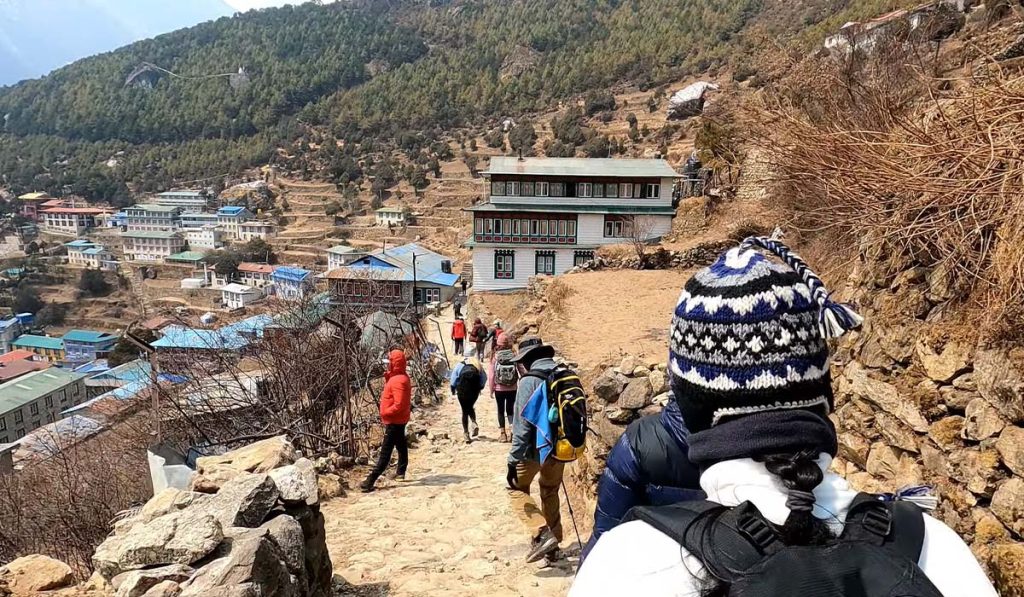
The first thing to expect is a slower pace than you are used to. Even strong hikers need to walk steadily and avoid rushing. On the approach to Gokyo, many trekkers feel fine in the morning but tire quickly if they climb too fast after lunch or push too hard on uphill sections.
The second change is in breathing. You will breathe harder on ascents, and sometimes even while resting. At night, some trekkers experience periodic breathing, where breathing becomes irregular during sleep. It can feel strange, but it is common at altitude.
The third change is appetite and hydration. Some people feel less hungry as they gain elevation, even though they need more calories. Others get mild nausea or simply lose interest in heavy meals. Fluids become more important, because dehydration can make altitude symptoms worse and cold, dry air increases fluid loss.
You should also expect colder mornings, stronger afternoon winds, and brighter sunlight than many first-time trekkers anticipate. UV exposure is intense in the high mountains, especially near reflective snow and lake surfaces. Lip protection, sunglasses, and sunscreen are not optional here.
How altitude usually affects trekkers at Gokyo
Most trekkers at Gokyo will feel some mild effects of altitude, even if they are acclimatizing well. Headache, reduced appetite, lighter sleep, unusual fatigue, and shortness of breath on effort are common. These do not automatically mean you are seriously ill. They do mean you need to pay attention.
The key question is whether symptoms remain mild and manageable or begin to worsen. A mild headache that improves with rest, hydration, and a slow pace is one thing. A strong headache that gets worse, combined with vomiting, confusion, loss of coordination, or severe weakness, is a different situation and should never be ignored.
Acute mountain sickness can affect fit trekkers, slow trekkers, young trekkers, and experienced trekkers alike. Fitness helps with endurance, but it does not make you immune to altitude. This is one of the biggest misconceptions people bring to the Everest region.
The most important skill is pacing, not power
On the Gokyo route, trekkers who manage altitude well are usually not the fastest. They are the ones who walk consistently, keep effort controlled, drink regularly, and give the body time to adapt. If you arrive in Nepal with a strong gym background or good hiking fitness, that is helpful, but it should not tempt you to climb too aggressively.
A good high-altitude rhythm is simple: shorter steps, steady breathing, fewer sudden bursts of speed, and more awareness of how you feel every few hours. Guides often encourage a slow, even pace for a reason. It protects your energy and improves acclimatization.
This matters even more if you plan to hike Gokyo Ri. The viewpoint is one of the best in the Khumbu, but the altitude is serious. The climb is short compared with a full trekking day, yet many people find it tougher than expected because of the thin air and cold start.
Sleeping, eating, and recovering above 4,000 meters
One of the least discussed parts of high-altitude trekking is how recovery changes. At Gokyo, some trekkers sleep poorly for a night or two even when they feel strong during the day. You may wake more often, feel dry, or notice your heart beating faster than usual. That can be unsettling if you do not expect it.
Food also becomes more functional at altitude. You may not feel like eating a large dinner, but regular meals still matter. Warm, simple foods are usually easier to tolerate than greasy or very heavy dishes. Soups, rice, potatoes, porridge, noodles, and tea are often the foods trekkers handle best in the higher lodges.
Recovery is also slower. After a demanding day, your legs may feel more tired than the distance alone would suggest. This is one reason acclimatization days and conservative itineraries are so valuable on the Gokyo trek.
Weather and trail conditions add to the challenge
Altitude is only part of the picture. Weather at Gokyo can change quickly, especially outside the main trekking seasons. Clear mornings may turn windy, cloudy, or cold by afternoon. In shoulder months and winter, ice and snow can make sections of trail slower and more tiring.
The route can also feel harsher because the landscape becomes more exposed as you gain elevation. There are fewer trees, less shelter from wind, and greater temperature swings between sun and shade. On a sunny day you may feel warm while walking, then become cold within minutes when you stop.
This is why layering works better than carrying one heavy jacket alone. At Gokyo, comfort depends on adjusting clothing often, not just dressing for the coldest moment.
What helps you acclimatize better
A proper itinerary is the single biggest factor. If your schedule gains altitude too quickly, no amount of determination will fix that. Extra acclimatization time around Namche or before reaching Gokyo often makes a major difference.
Hydration helps, but drinking excessive water does not guarantee safety. The goal is steady intake, not forcing liters beyond your needs. Eating enough, sleeping as well as possible, staying warm, and avoiding alcohol at higher elevations also support better adaptation.
Some trekkers use Diamox as a preventive or supportive medication. This can be useful, but it should be discussed before the trek, especially if you have medical conditions or have never taken it before. Medication can help acclimatization, but it does not replace a sensible ascent profile.
Traveling with an experienced guide adds real value on this route. A good guide notices changes in your walking pace, energy, appetite, and symptoms before problems become serious. That kind of field judgment is often what keeps a trek comfortable rather than stressful.
When to be concerned
Not every bad day at altitude is dangerous, but some signs should be taken seriously. A headache that does not improve, repeated vomiting, unusual confusion, trouble walking in a straight line, breathlessness at rest, or a wet cough can indicate serious altitude illness.
If symptoms are getting worse instead of better, the safest response is usually to stop ascending. In some cases, descent is necessary the same day. The mountains will still be there, but altitude illness can escalate faster than many trekkers expect.
This is where experience matters. In the Everest region, the right decision is not always the most ambitious one. Sometimes the strongest trekking choice is to rest, wait, or turn back early rather than push for a lake, pass, or viewpoint.
Is Gokyo manageable for first-time high-altitude trekkers?
Yes, for many people it is, provided they plan it properly. Gokyo is demanding, but it is not only for expert mountaineers. First-time trekkers regularly complete it with the right itinerary, realistic expectations, and good support.
The trekkers who struggle most are often not the least fit. They are the ones who underestimate altitude, try to keep up with someone else’s pace, or choose an itinerary that is too short. If you give yourself enough days and treat acclimatization as part of the trek rather than a delay, Gokyo becomes far more manageable.
For many trekkers, the reward is worth every careful step. The turquoise lakes, the wide glacier views, and the panorama from Gokyo Ri create one of the finest high-altitude trekking experiences in Nepal. The key is to arrive there with enough energy to appreciate it.
If you are planning this route, prepare for effort, thinner air, colder nights, and a slower rhythm than usual. Expect your body to talk back a little. Listen to it early, and Gokyo usually gives you a far better trek in return.