Most trekkers asking, Do You Need a Guide for Pikey Peak Trek?, are really asking something more practical: can I do this trek safely, confidently, and without avoidable mistakes? The short answer is no, a guide is not always mandatory for Pikey Peak, but for many trekkers, hiring one is still the better decision.
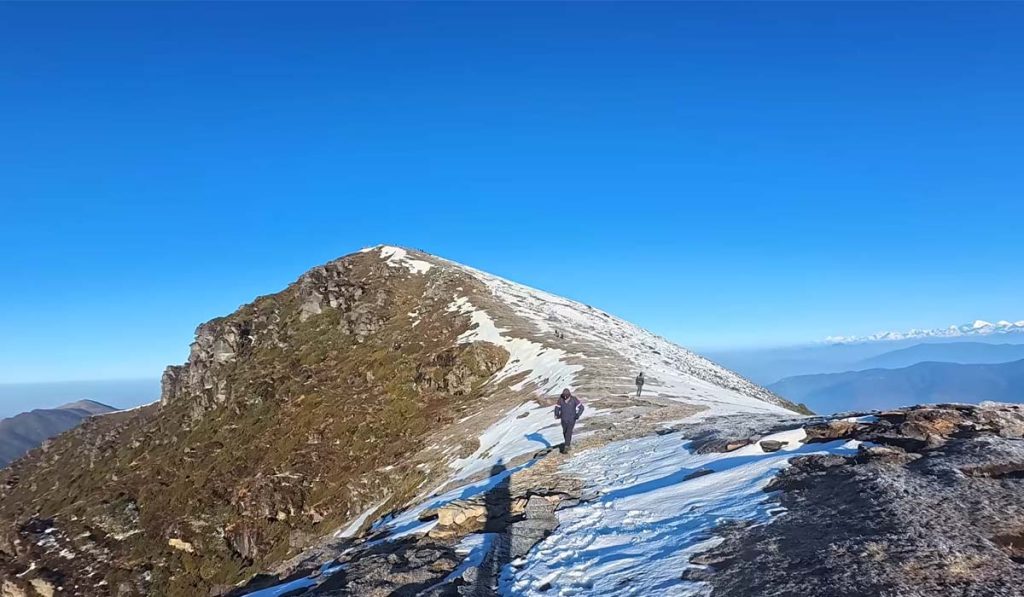
Pikey Peak is often described as one of the quieter treks in the lower Everest region, known for wide Himalayan views, peaceful ridgelines, Sherpa villages, and a sunrise panorama that many trekkers rate among the best in Nepal. It is not as crowded or as logistically demanding as Everest Base Camp, but that does not automatically make it simple for every traveler. Trail conditions, transportation, weather, fitness, and your own trekking experience all matter.
Do You Need a Guide for Pikey Peak Trek?
In practical terms, it depends on what kind of trekker you are.
If you are experienced in multi-day hiking, comfortable with basic route-finding, able to handle changing mountain weather, and happy to manage local transport and lodge arrangements on your own, you may be fine trekking independently. Pikey Peak does not involve technical climbing, and the altitude is moderate compared with many high Himalayan routes.
But if this is your first trek in Nepal, your first time hiking for several days at altitude, or your first time dealing with mountain logistics in a remote area, a guide can make the trek much easier and safer. The value is not only in showing the way. A good guide helps you pace properly, adjust plans when weather changes, communicate with lodge owners, explain local culture, and spot early signs of altitude or fatigue problems before they become serious.
So the more useful answer is this: a guide is not essential for every trekker, but it is strongly worth considering for most international visitors.
Why Pikey Peak Feels Easier Than Some Nepal Treks
One reason many people consider doing Pikey Peak without a guide is that the trek is shorter and less demanding than Nepal’s bigger classics. Depending on your route and transport choices, the trek usually takes around 5 to 7 days. The highest point, Pikey Peak at about 4,065 meters, is significant but still lower than many major trekking passes and base camp routes.
Accommodation is generally available in local teahouses, and the trail passes through settled villages rather than extremely remote wilderness. That gives independent trekkers a sense of confidence.
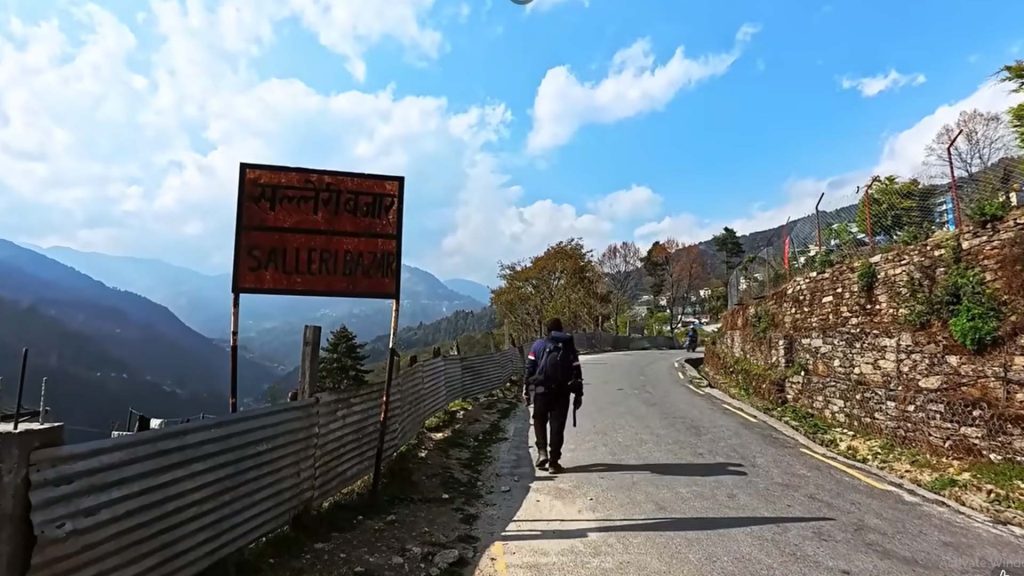
Still, easier does not mean effortless. The route includes repeated ascents and descents, some long walking days, and sections where trails can be less obvious than on heavily trafficked routes. During fog, rain, or after snowfall, navigation becomes less straightforward. Transport to the trailhead can also be one of the less predictable parts of the trip, especially if road conditions are poor.
When Going Without a Guide Makes Sense
There are trekkers for whom independent trekking on Pikey Peak is a reasonable choice.
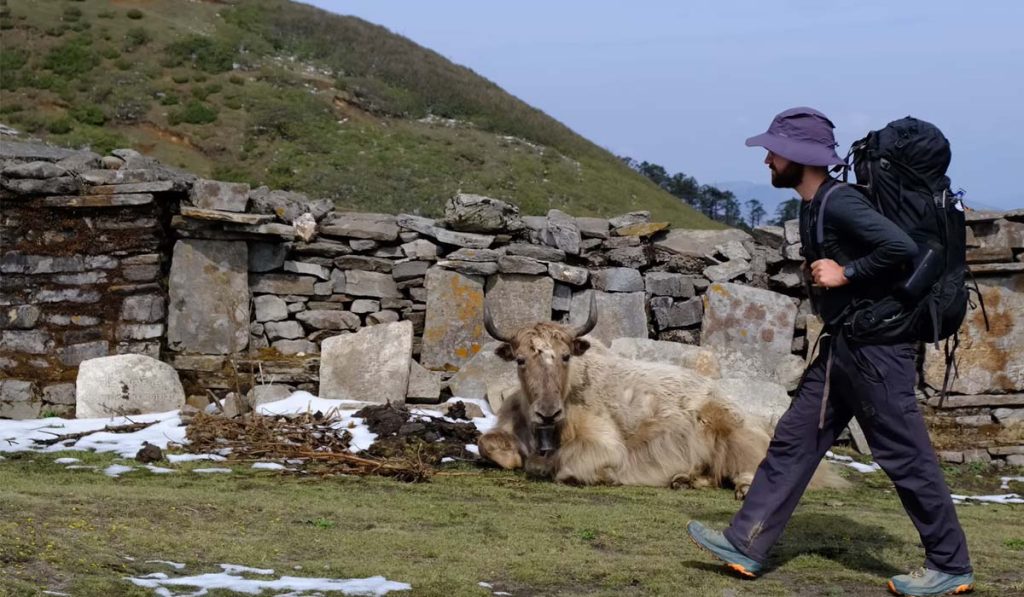
If you already have experience on teahouse treks in Nepal or similar mountain regions, can read trail conditions confidently, and understand how to manage your own pacing at altitude, you may not need a guide. The same applies if you prefer complete flexibility and enjoy handling the day-to-day details yourself.
Independent trekking may also suit travelers on a tighter budget. Hiring a guide adds cost, even if the cost is often fair for the service and local knowledge provided. Some trekkers would rather keep things simple, carry their own gear, and make route decisions on the move.
That said, independent trekking works best when you are realistic about your abilities. If you are strong on marked trails back home but have never trekked in Nepal, that is not quite the same thing. Mountain travel here is affected by altitude, local transport delays, simple accommodation standards, and weather that can shift quickly.
When Hiring a Guide Is the Better Choice
For many people, a guide is less about necessity and more about the quality of experience.
If you want a smoother trip from the beginning, a guide helps immediately with transport arrangements, trail timing, accommodation, and communication in villages. On Pikey Peak, where trail traffic is lighter than on major routes, this support can be more valuable than many trekkers expect. You are not following a long line of other hikers from one stop to the next.
A guide is especially useful if you fall into any of these groups: first-time Nepal trekkers, solo travelers, trekkers visiting in winter or monsoon shoulder conditions, people with limited time, and anyone who wants cultural context instead of just walking from village to village.
There is also the safety factor. Pikey Peak is not an extreme trek, but altitude can still affect people unpredictably. A guide with field experience will watch your pace, hydration, energy level, and sleeping condition more carefully than you may watch yourself. This matters most when trekkers are excited, underprepared, or trying to stick too rigidly to a schedule.
Navigation, Safety, and Local Logistics
On paper, Pikey Peak looks simple. In the field, small complications are what usually create stress.
The road journey to the starting point may be long, rough, and slower than expected. The weather can change visibility around the ridges. In some sections, multiple village paths or side trails can confuse trekkers who are relying only on downloaded maps. During off-season periods, the trail can feel quite quiet.
A guide helps reduce these frictions. If transport changes, they adjust. If a lodge is full or closed, they know alternatives. And if clouds roll in and you need to change your sunrise plan for Pikey Peak summit, they make that call based on local conditions rather than guesswork.
This is where guided trekking often proves its value. Not because the route is impossible, but because the mountains rarely follow your ideal plan.
What About Permits and Rules?
Trekkers should always check the latest permit requirements before traveling, because rules in Nepal can change. Pikey Peak generally requires the appropriate local or regional entry arrangements, and this is one area where confusion can happen if you are planning independently.
A guide or trekking company usually handles this clearly and in advance. If you trek on your own, you need to confirm what permits are currently required, where to obtain them, and what identification or documents you need to carry.
Even when independent trekking is allowed, handling permits yourself adds another planning layer. Some trekkers do not mind that. Others would rather spend their energy on the trek itself.
Cost vs Value
The biggest argument against hiring a guide is cost. That is fair. A guide increases your daily budget, and for some trekkers that matters.
But the better question is whether the extra cost gives you enough value. On Pikey Peak, it often does. You are paying for route knowledge, local communication, pace management, help in case of illness or weather change, and a more organized experience overall. If your time in Nepal is limited, avoiding delays and mistakes can be worth more than the money saved by going alone.
There is also a local benefit. Hiring a guide supports mountain livelihoods in trekking communities and gives you a more direct connection to the place you are walking through.
Still, if budget is your main concern and you are confident in your ability, Pikey Peak is one of the routes where independent trekking can remain realistic.
Is a Porter or Guide-Porter Enough?
Some trekkers do not need a full-service guide but still want support. In that case, a porter or guide-porter can be a good middle option.
A porter helps by carrying part of your load, which can make the climb to Pikey Peak much more comfortable, especially if you are not used to trekking at altitude. A guide-porter may carry gear and also provide basic route support, though usually with less detailed interpretation and decision-making ability than a licensed, experienced guide.
If your main concern is physical effort, a porter may be enough. If your main concern is navigation, safety judgment, and logistics, a proper guide is the stronger choice.
The Best Choice for Different Trekkers
For experienced trekkers who have already done multi-day mountain routes in Nepal or similar regions, going independently can work well. Likewise, for confident budget travelers who enjoy self-management and accept a bit of uncertainty, it can also be a good fit.
For beginners, solo trekkers, older travelers, families, or anyone who wants more confidence on the trail, hiring a guide is usually the smarter option. It does not make the trek less adventurous. It simply removes avoidable friction and gives you better support when conditions change.
That is often what matters most on a trek like Pikey Peak. The mountain views are the reward, but good planning is what allows you to enjoy them.
A Practical Answer Before You Decide
If you are still unsure, ask yourself three simple questions. Have you done a multi-day trek at altitude before? Are you comfortable managing transport, permits, and lodge communication in Nepal on your own? And if weather, health, or route conditions change, can you make a calm and informed decision without local support?
If your answer is yes to all three, you may not need a guide for Pikey Peak Trek. If your answer is no to even one of them, a guide is likely to improve your trip in a very real way.
Pikey Peak is one of Nepal’s rewarding shorter treks because it offers big mountain scenery without the scale and traffic of the more famous routes. You can walk it independently, but that does not always mean you should. The best choice is the one that matches your experience, confidence, and how you want to experience the trail.