
Packing too much can make the Langtang trek harder than it needs to be. Packing too little can leave you cold, wet, or uncomfortable at altitude. A smart Langtang Trek Packing plan is not about bringing more gear. It is about bringing the right gear for changing mountain weather, basic teahouse conditions, and several days of steady walking.
Langtang is one of Nepal’s most rewarding short treks, but it still reaches serious altitude. Trails can be warm in the lower villages and very cold in places like Langtang Village or Kyanjin Gompa, especially in the morning, at night, and during shoulder seasons. That means your packing should focus on layers, comfort while walking, and a few essentials that help you manage cold, sun, dust, and limited facilities.
What Langtang Trek Packing really needs to cover
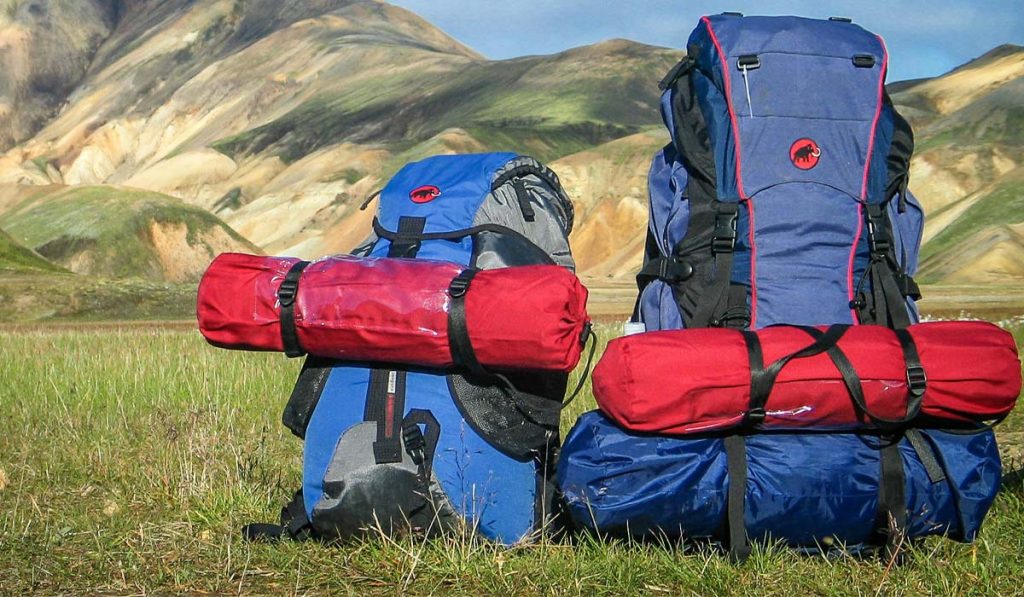
Many trekkers assume Langtang is a lighter or easier version of Everest or Annapurna, so they do not prepare carefully. The route is shorter, but the conditions still demand good judgment. You will walk through mixed temperatures, sleep in simple teahouses, and rely on what you carry or what your porter carries.
For most trekkers, the best approach is to pack for function, not for variety. You do not need a different outfit every day. You need clothing that layers well, dries reasonably fast, and keeps you comfortable from Syabrubesi to Kyanjin Gompa and back.
If you are trekking in spring or autumn, your gear can stay fairly streamlined. In winter, warmer insulation becomes more important. During monsoon, waterproofing, pack protection, and quick-drying clothing matter much more than extra heavy layers.
Clothing for the trail
Your clothing system should work in three conditions: while hiking, during rest stops, and after reaching the teahouse. That is why layering is more useful than bulky clothing.
Start with two or three trekking shirts. Lightweight synthetic or merino tops work well because they handle sweat better than cotton. For your lower body, two pairs of trekking pants are usually enough. Some trekkers like one pair of lightweight hiking pants and one slightly warmer pair for colder mornings.
A fleece or light mid-layer is important for daily use. On top of that, carry an insulated jacket, usually a down or synthetic puffy jacket, for evenings and higher elevations. This becomes especially useful in Kyanjin Gompa, where temperatures can drop quickly after sunset.
A waterproof outer shell is essential. Even if the forecast looks stable, mountain weather can change fast. A proper rain jacket is more dependable than a thin travel poncho. If you are trekking outside the dry season, waterproof pants are also worth carrying.
For base layers, one thermal top and one thermal bottom are enough for most seasons. They help at night and on cold mornings. Bring enough underwear and trekking socks to rotate through the week, but do not overpack. Three to four pairs of socks is usually enough if you wash and reuse them.
A warm hat, sun hat, and light gloves should all be in your bag. In colder months, upgrade to insulated gloves and consider a neck gaiter or buff.
Footwear can make or break the trek
The biggest packing mistake on Langtang is bringing the wrong shoes. You do not need heavy mountaineering boots, but you do need comfortable trekking footwear with decent grip and ankle support if that suits your walking style.
If your boots are new, break them in before arriving in Nepal. Langtang has long walking days, uneven stone steps, dusty stretches, and occasional wet sections. Uncomfortable shoes become a serious problem quickly.
Bring lightweight camp shoes or sandals for teahouses. After a full day on the trail, taking off your boots matters more than many first-time trekkers expect. A pair of gaiters is optional, but they can help in dusty or muddy conditions.
What to pack for sleeping and teahouse stays
Teahouses on the Langtang route are simple but comfortable enough when you prepare well. Rooms usually have beds, blankets, and basic dining areas, but they are not heated like city hotels. Extra warmth at night depends heavily on what you bring.
A four-season sleeping bag is ideal in colder months, while a good three-season bag is often enough in spring and autumn. Even when teahouses provide blankets, I still recommend carrying your own sleeping bag for warmth and hygiene.
A small travel pillowcase can also help. Some trekkers stuff a fleece jacket inside it to make a pillow. It is a small item, but it improves sleep, and better sleep helps with recovery at altitude.
Earplugs are worth packing because teahouse walls are thin and dining rooms can stay active into the evening. A headlamp is another simple but important item, especially if you need to move around at night or start early for a viewpoint hike.
Daypack essentials you should keep with you
Even if you hire a porter, some items should stay in your daypack every day. Water, a warm layer, rain protection, sunscreen, sunglasses, snacks, and personal documents should always be within reach.
Your daypack does not need to be large. Around 20 to 30 liters is enough for most trekkers. The goal is to carry what you may need during the day without making the pack heavy.
Bring a reusable water bottle or two, or a hydration bladder if you prefer. Water purification tablets or a filter bottle are useful because buying bottled water repeatedly is expensive and creates unnecessary plastic waste in the mountains.
Add lip balm, hand sanitizer, wet wipes, and toilet paper. Teahouses do not always provide these consistently. A small personal first-aid kit is also important. It should include blister treatment, pain relief, any prescription medicine, and basic stomach medication. If your doctor has advised altitude medication, keep that in your daypack too.
Weather protection matters more than extra clothes
Sun and cold often hit harder in the Himalayas than trekkers expect. Even on cool days, UV exposure is strong. Good sunglasses with UV protection are necessary, not optional. Snow glare is less of an issue on the standard Langtang route than on technical climbs, but bright sun at altitude can still strain your eyes.
Sunscreen should be high SPF and applied regularly, especially on the face, neck, and hands. A buff or scarf helps with cold wind, sun exposure, and trail dust. During dry periods, dust can be surprisingly irritating on roads and lower sections.
If you are trekking in monsoon or near the edges of the rainy season, use a backpack rain cover and dry bags inside your duffel or pack. Waterproofing your electronics and spare clothes is more reliable than hoping the outer bag stays dry.
Electronics and small extras
Keep electronics simple. Your phone, charger, power bank, and camera, if you carry one, are usually enough. Charging is available in many teahouses, but it may cost extra, and power can be limited. A power bank helps a lot on colder days when batteries drain faster.
Do not bring too many gadgets. They add weight and are rarely necessary on this trek. One adapter, charging cable, and backup power source are enough for most people.
Trekking poles are not electronics, but they deserve mention here because many trekkers treat them like an optional extra. On Langtang, they are genuinely useful. They reduce strain on the knees during descents and improve balance on uneven sections.
What you can leave behind
The best Langtang Trek Packing list also includes what not to bring. You do not need multiple heavy sweaters, jeans, large toiletries, hard-shell suitcases, or too many spare clothes. Teahouse trekking is simple by nature, and your gear should match that.
You also do not need technical climbing equipment for the standard trek. If you are adding peaks or special side trips that require extra gear, that is a different plan and should be prepared separately.
Keep toiletries small. Bring travel-sized basics, not full bottles. A quick-dry towel is useful, but a large bath towel is unnecessary. Laundry options may exist on lower sections, but do not count on regular washing at higher elevations.
Seasonal adjustments for Langtang Trek Packing
Spring and autumn are the easiest seasons to pack for. A balanced layering system, warm jacket, rain shell, and sleeping bag usually cover everything well.
Winter requires more serious insulation. Add warmer gloves, thicker socks, stronger base layers, and a sleeping bag rated for colder temperatures. Morning water can freeze, and rooms can become very cold at night.
Monsoon packing should focus on moisture control. Bring extra dry bags, quicker-drying shirts, reliable waterproof layers, and an extra pair of socks. Trails can be muddy, and keeping your feet dry becomes more difficult.
Final packing approach
Before you zip your bag, ask one simple question about every item: will I actually use this on the trail, in the teahouse, or for safety? If the answer is no, leave it behind. Langtang rewards trekkers who pack with discipline.
A lighter, smarter bag makes the walk more enjoyable, especially on long uphill days. If your gear keeps you warm, dry, protected from sun, and comfortable at night, you are already packed well for the journey ahead.

