
One reason trekkers underestimate Langtang is that the route looks shorter and more accessible than Everest or Annapurna on paper. In reality, terrain changes and trail condition – Langtang trek – can shape your daily pace, energy use, and safety more than many first-time trekkers expect. This is not a technically difficult trek for most people, but the ground under your feet changes often, and those changes matter.
Langtang is a trail of transitions. You move from lower forest paths and village trails to steeper stone sections, landslide-prone areas, glacial terrain, and open alpine ground. In good weather, the route is straightforward and very rewarding. After rain, snow, or freeze-thaw cycles, the same trail can feel slower, looser, and much more tiring.
How the terrain changes on the Langtang trek
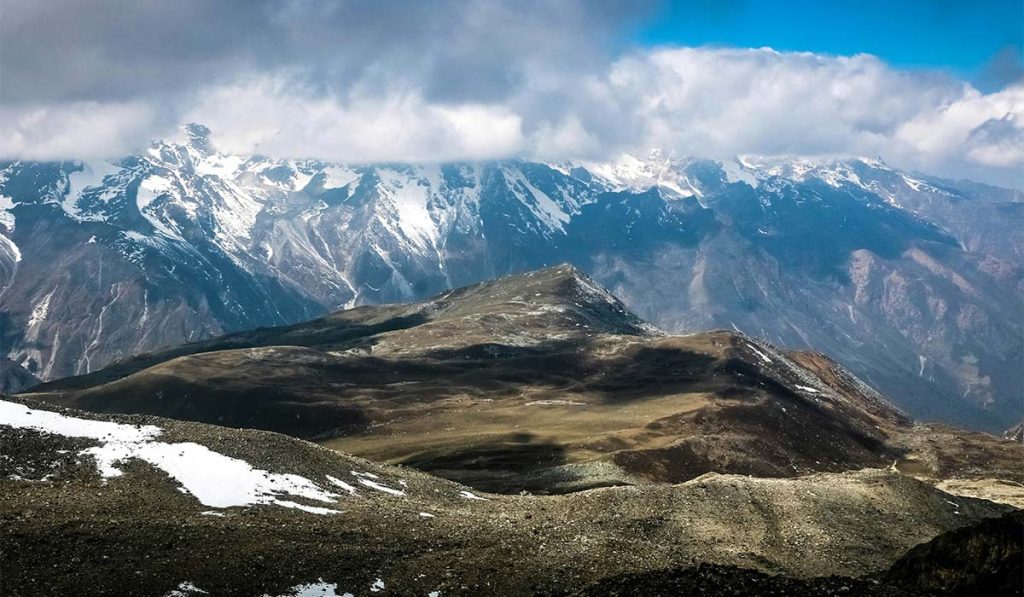
The classic Langtang Valley Trek usually begins from Syabrubesi and follows the Langtang Khola upstream through Lama Hotel, Langtang Village, and Kyanjin Gompa. As altitude increases, the trail changes in both surface and character.
In the lower section from Syabrubesi to Lama Hotel, the trail is mostly forested and humid. You will walk on a mix of dirt path, exposed tree roots, stone steps, and compacted earth. This section often feels warmer than trekkers expect, especially in spring and early autumn. When the ground is dry, it is fairly manageable. When wet, the roots and smooth stones can become slippery, particularly on shaded sections where sun does not reach the trail for long.
From Lama Hotel to Langtang Village, the trail begins to open gradually. The forest thins out, and the route becomes more mixed, with steeper climbs, rougher stone paths, and sections that can be affected by rockfall or erosion. This is where trekkers start noticing the route is not just a simple village walk. The gain in altitude is steady, and the footing can be uneven for long stretches.
Beyond Langtang Village to Kyanjin Gompa, the valley becomes broader and more exposed. You will see more open yak grazing land, glacial debris, rocky trail segments, and dry alpine terrain. The path is generally easier to follow in clear weather, but it can feel harsher underfoot. There is less soft forest trail and more hard-packed earth, loose gravel, and stone.
If you hike higher from Kyanjin to Kyanjin Ri or Tserko Ri, the terrain becomes steeper, looser, and more physically demanding. These side hikes are often the toughest walking of the trip, not because of technical climbing but because of the combination of altitude, steep gradients, and unstable ground.
Terrain changes and trail condition – Langtang trek by section
Understanding the trail by section helps more than reading a single difficulty rating.
Syabrubesi to Lama Hotel
This lower stretch includes frequent ups and downs rather than one long continuous climb. The trail crosses suspension bridges, follows the river, and passes through bamboo and rhododendron forest. Parts of the trail are narrow, and some sections are built with uneven stone. During monsoon or just after heavy rain, mud and leeches can be an issue in lower elevations. In winter, icy patches can appear early in the morning on shaded corners.
This part is often tiring because the humidity and repeated stair-like ascents make it feel longer than the map suggests. Trekking poles help here, especially on descent.
Lama Hotel to Langtang Village
This is where the route starts feeling more distinctly mountain-like. The trail climbs through forest at first, then enters more open terrain with broader views. Expect rougher stone paths, occasional loose scree-like patches, and sections where previous weather has damaged the edge of the trail.
This area has seen significant landscape change over the years, and while the route is established and regularly used, the mountain environment is still active. Small trail repairs are common, and conditions can change from one season to the next. A section that felt firm in October may feel eroded in late spring after snowmelt.
Langtang Village to Kyanjin Gompa
Many trekkers find this section visually easier because the valley opens up, but the ground can still be tiring. The trail is often wide and obvious, yet parts are rocky and dry, with a gradual but noticeable climb. Wind can also become a factor here, especially in the afternoon. In colder months, frozen ground in the morning can make some sections harder and faster underfoot, while thawing later in the day can create softer, uneven patches.
Kyanjin side hikes
Kyanjin Ri and Tserko Ri are not casual walks. The path is steep and often loose, with rocky switchbacks, dusty slopes, and little shelter from sun or wind. If there has been recent snow, these ascents become more serious. Even a thin layer of snow can hide loose rock or frozen ground underneath. This is where many trekkers realize that fitness and balance matter as much as motivation.
How weather affects Langtang trail conditions
The Langtang route changes significantly with the season. That is why trail condition should never be separated from weather.
In spring, the lower trail is usually stable, and higher sections are often clear, but there may still be lingering snow on viewpoints above Kyanjin. Melting snow can also make some paths wet or soft by midday. Spring is generally a good time because the route is active, visibility is often good, and conditions are manageable for most trekkers.
Autumn usually offers the most reliable trail condition overall. After the monsoon clears, the views are sharp and the main trekking route is normally in good shape. That said, early autumn can still bring leftover washouts or muddy patches if monsoon damage has not fully settled.
Winter makes Langtang quieter and beautiful, but trail conditions become more variable. The main valley trek may still be possible in stable weather, yet icy mornings, frozen water crossings, and snow-covered sections above Langtang Village can slow progress. Side hikes can become difficult or unsafe without proper judgment.
Monsoon is the least predictable for trail condition. Mud, slippery stones, leeches in the lower forest, cloud cover, and occasional landslide risk all make the trail harder to manage. The trek is still possible in some periods, but this is the season when local updates matter most.
What makes the Langtang trail feel harder than expected
Langtang is often described as a moderate trek, which is fair overall, but trail condition can push individual days closer to strenuous. The challenge usually comes from accumulation rather than one dramatic obstacle.
The first factor is uneven footing. You are rarely walking on a smooth, flat trail for long. Stone stairs, rocky traverses, root-covered forest paths, and rough descents ask more from your legs than many trekkers anticipate.
The second factor is altitude combined with gradient. A trail that looks gentle on a map can feel steep above 3,000 meters. By the time you reach the upper valley, even short climbs demand more breathing control and pacing.
The third factor is trail surface after weather changes. Rain, overnight frost, or fresh snow can turn an easy section into a slow one. That does not always make the trek dangerous, but it does change how much time and effort you need.
Practical advice for dealing with changing trail conditions
Good preparation for Langtang is not about expecting extreme technical terrain. It is about being ready for variety. Footwear matters more than fancy gear. A broken-in pair of trekking boots or sturdy trail shoes with solid grip will make a real difference on wet stone and loose dirt.
Trekking poles are especially useful on this route. They reduce stress on the knees during the long descent and give more balance on mixed terrain. Many trekkers who skip poles on easier trails are glad to have them in Langtang.
Start early when possible. Morning trail conditions are often more stable, and you avoid afternoon wind in the upper valley. Early starts also give more time if a rough section slows the group down.
Keep your daily pace conservative. On Langtang, pushing too hard on lower days can leave you tired just as altitude starts to matter more. A steady rhythm is better than trying to gain time on the trail.
It also helps to ask locally about current trail condition rather than relying only on old online reports. In Nepal, one storm or one week of snow can change a route quickly. This is where field-based knowledge matters, and it is one reason experienced local operators such as Himalaya Wanderer pay close attention to recent conditions before sending trekkers up the valley.
Is the Langtang trail suitable for beginners?
Yes, for many beginners, Langtang is a realistic Himalayan trek if they come prepared. The trail is established, tea house infrastructure is available, and the route does not require mountaineering skills. But beginners should not mistake that for easy walking every day.
A first-time trekker who trains with regular uphill walking, understands altitude pacing, and uses proper footwear can do very well here. A fit hiker with no altitude experience may still struggle if they move too fast or ignore changing ground conditions. That is the main trade-off with Langtang. It is accessible, but it still rewards respect.
If you are planning this trek, think less about whether the route is famous or quiet and more about how your body handles mixed terrain over several days. Langtang is beautiful because it changes constantly. The smartest trekkers notice those changes early, adjust their pace, and let the trail set the rhythm.

