
Cold on the Langtang Trek is not just a matter of season. It changes with altitude, time of day, wind, cloud cover, and where you sleep. If you are asking, “How cold is in Langtang Trek?” the short answer is this: days can feel pleasantly cool in the lower trail, but nights at higher villages can drop well below freezing, especially from late autumn through early spring.
For most trekkers, the bigger surprise is not daytime walking temperatures. It is the cold in the mornings, after sunset, and inside teahouse rooms at higher elevation. Langtang is not the coldest trek in Nepal, but once you move above Lama Hotel, Langtang Village, and Kyanjin Gompa, the temperature shift becomes very noticeable.
How cold is in Langtang Trek by altitude?
The Langtang Valley Trek usually starts from Syabrubesi, which sits much lower than the upper valley. In the beginning, temperatures are milder, and many trekkers walk comfortably in a base layer and light fleece once the sun is out. As you gain altitude, the air becomes thinner, drier, and colder, especially at night.
At Syabrubesi, daytime temperatures in the main trekking seasons often range around 50 to 68 F. Nights are cooler but usually manageable. Around Lama Hotel and Riverside, the forested trail can feel damp and chilly in the morning, even when the air temperature is not extreme. Shade keeps the cold lingering longer here.
From Langtang Village upward, the cold becomes more serious. In the autumn and spring trekking months, daytime temperatures may still sit around 41 to 59 F in sunshine, but nights often fall to 23 to 32 F. At Kyanjin Gompa, one of the highest overnight stops on the standard route, nighttime temperatures commonly drop below freezing. In winter, it can fall to 5 to 14 F or even lower during cold spells.
If you hike higher for day trips to Kyanjin Ri or Tserko Ri, expect much colder wind exposure. Even on a clear day, pre-dawn or early morning starts can feel bitterly cold. The actual air temperature matters, but wind chill often makes it feel several degrees lower.
Seasonal temperature differences on the Langtang Trek
The best way to understand Langtang cold is by season rather than one fixed number. Trekking conditions in this region change a lot through the year.
Spring
Spring, especially March to May, is one of the best times for Langtang. Lower sections are cool to mild, and higher sections are cold but usually manageable with proper layers. In March, nights at Kyanjin Gompa can still be very cold, often below freezing. By April and May, daytime conditions improve, and sunny afternoons feel comfortable for walking.
That said, spring mornings remain cold at altitude. If you plan a sunrise hike to Kyanjin Ri, expect frozen ground, frost, and cold wind. Spring is often more pleasant than winter, but it is not warm in the upper valley.
Autumn
Autumn, from late September to November, is the most popular season because skies are often clear and mountain views are sharp. Daytime trekking conditions are excellent, but the air becomes colder as the season moves toward November. October usually brings the best balance of stable weather and manageable temperatures.
By late November, nights in Langtang Village and Kyanjin Gompa turn sharply colder. Water bottles can freeze overnight, and early mornings may start below 20 F at the higher lodges. Many trekkers think autumn means mild weather throughout the day, but once the sun disappears behind the mountains, the temperature drops fast.
Winter
Winter, from December to February, is the coldest period on the Langtang Trek. Lower sections are still possible, and some trekkers enjoy the quieter trails and beautiful snow-covered landscapes. But high-altitude overnight stops become much colder, and snow can affect trail conditions.
At Kyanjin Gompa, nighttime temperatures are often far below freezing. Dining halls may be warmed for a few hours with a stove, but bedrooms are usually unheated. This is where trekkers feel the cold most strongly. If you are not used to sleeping in freezing conditions, winter in Langtang can feel tougher than the walking itself.
Monsoon and summer
From June to August, the valley is not as cold as in other seasons, but that does not mean it feels comfortable all the time. Rain, wet clothing, cloud cover, and limited sunshine can create a damp chill, especially in the forest sections. Higher up, temperatures remain cool rather than severely cold, but the bigger issue is wet conditions rather than freezing conditions.
Where trekkers feel the cold most
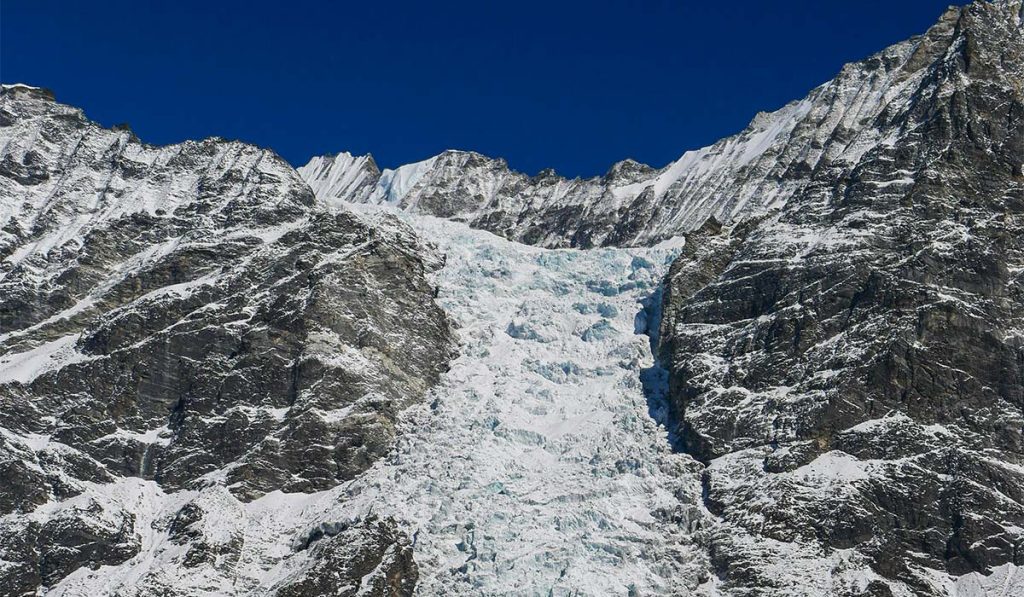
Many first-time trekkers imagine the cold is worst only on exposed ridges. In reality, there are three moments when Langtang cold stands out most.
The first is early morning before the sun reaches the valley. Temperatures are lowest then, and getting out of a sleeping bag can be the hardest part of the day.
The second is after sunset. Once the sun drops behind the mountains, the warmth disappears quickly. Even if the afternoon felt pleasant, evenings can become very cold in a short time.
The third is inside teahouse rooms. Dining halls often have some heating around dinner time, but bedrooms generally do not. Blankets help, but at higher places they are usually not enough on their own in colder months. A good sleeping bag makes a real difference.
Is Langtang colder than Everest or Annapurna?
Langtang is generally cold, but not always as extreme as the highest sections of the Everest region. Standard Langtang trekking reaches lower maximum sleeping altitudes than Everest Base Camp routes, so the cold is often less severe overall. Compared with Annapurna Base Camp, Langtang can feel similar in some seasons, but the experience is different.
Langtang Valley has a more open alpine feel in the upper section, and places like Kyanjin Gompa can be very cold at night. Annapurna Base Camp can also be freezing, but the surrounding basin creates a different weather pattern. So the answer is not simply that one is always colder. It depends on month, altitude, cloud cover, and wind.
What to pack for cold weather in Langtang
If you prepare for freezing nights and cold mornings, Langtang becomes much more comfortable. The most useful strategy is layering, not carrying one very heavy jacket and hoping it solves everything.
A moisture-wicking base layer, a warm fleece or light insulated mid-layer, and a down jacket for evenings usually work well in spring and autumn. Add a waterproof outer shell to handle wind and weather changes. For winter, you need stronger insulation and more care with gloves, socks, and head protection.
Your sleeping setup matters as much as your clothing. A sleeping bag rated for cold conditions is strongly recommended, especially above Langtang Village. Thick socks, a beanie, and thermal layers for sleeping are not small extras here. They are part of staying comfortable and resting properly.
Hands and feet are often the first places trekkers feel the cold. Good gloves, warm socks, and dry footwear matter more than many people expect. If your feet get wet or your gloves are too thin, the cold feels much worse, even at moderate temperatures.
Practical tips to stay warm on the trek
You do not need technical mountaineering gear for the standard Langtang Trek, but you do need sensible cold-weather preparation. Dress so you can add and remove layers as conditions change. You will warm up while climbing, then cool down quickly during rest stops.
Start mornings with enough insulation, but avoid sweating too much once you begin walking. Wet clothing becomes cold fast, especially in shaded sections. Keep one set of warm, dry layers for the evening and for sleeping.
Drink enough water even when it is cold. Dehydration makes altitude and fatigue worse, and tired trekkers usually feel the cold more. Eat properly as well. In the mountains, warmth is not just about clothing. It is also about energy.
If you are trekking in late autumn, winter, or early spring, ask about current conditions before you go. Snowfall, strong wind, or an unusual cold spell can change the feel of the trek quickly. This is where local guidance becomes valuable, because field conditions often matter more than average temperature charts.
So, how cold is Langtang Trek really?
For most of the main trekking seasons, Langtang is cool to cold during the day and freezing at night in the upper valley. In spring and autumn, many trekkers find daytime walking pleasant, especially in the sun, while nights at Kyanjin Gompa regularly drop below freezing. In winter, the cold becomes a major part of the trek and needs serious preparation.
The good news is that Langtang cold is manageable for most trekkers with the right timing, clothing, and expectations. If you understand that the real challenge is not constant extreme cold but changing mountain temperatures through the day, you can pack better, sleep better, and enjoy the valley for what it is – one of Nepal’s most rewarding short Himalayan treks.

