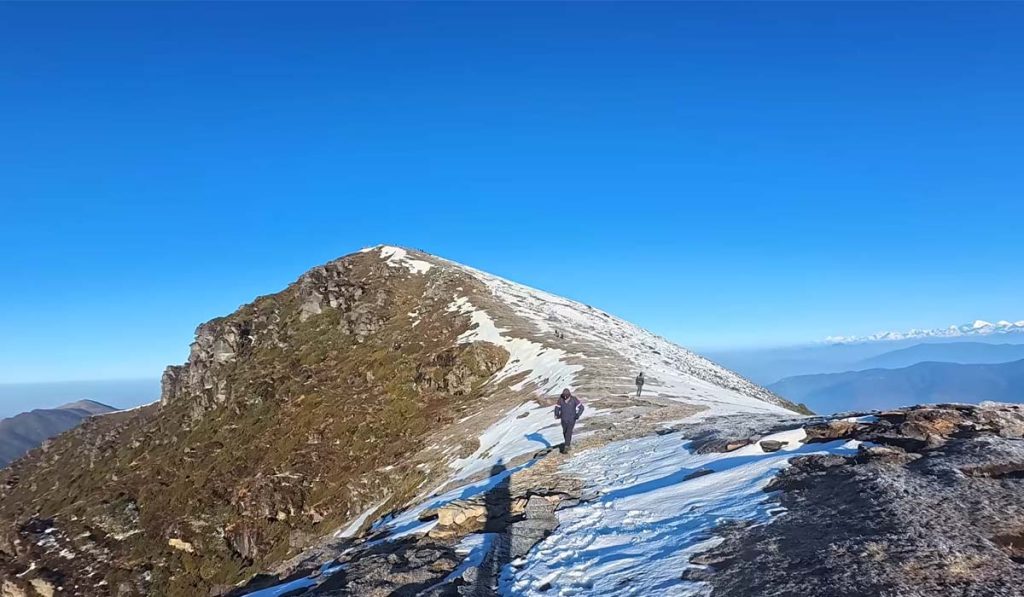
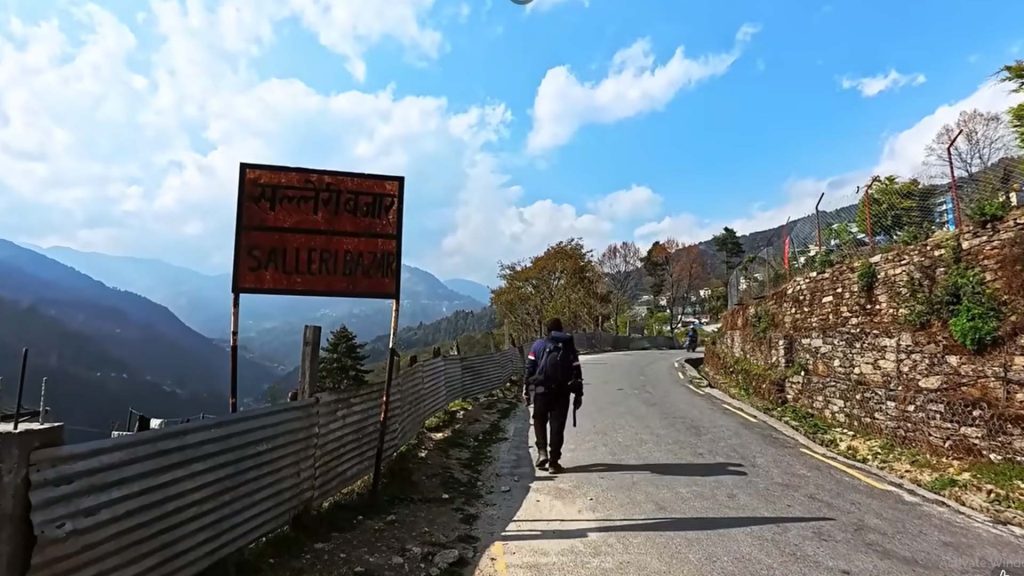
Some viewpoints in Nepal demand long, high-altitude effort. Pikey Peak is different. If you have ever wondered, Why Did Sir Edmund Hillary Love Pikey Peak?, the answer is not only about the mountain view. It is also about perspective, solitude, Sherpa country, and the rare feeling of seeing Everest without being overwhelmed by the crowds and logistics of a much bigger expedition.
For trekkers planning a trip in Nepal, this matters. Pikey Peak is often described as one of the finest lower-altitude viewpoints in the Everest region, but that description only tells part of the story. Hillary knew these mountains better than almost anyone. When a man so closely tied to Everest spoke highly of a viewpoint like this, it is worth paying attention.
Why Did Sir Edmund Hillary Love Pikey Peak so Much?
The most commonly repeated reason is simple: the view. Hillary is often associated with the remark that Pikey Peak offers one of the best views of Everest. That is a strong statement coming from the first confirmed climber to stand on Everest’s summit.
But experienced mountain people rarely fall in love with a place for only one reason. A great viewpoint is not just about seeing one famous peak. It is about how the landscape opens, how the horizon layers itself, and how the whole setting feels at sunrise or in changing light. From Pikey Peak, the panorama stretches across a remarkable chain of Himalayan giants, including Everest, Makalu, Kanchenjunga, Lhotse, and other peaks depending on visibility and season. The scene feels broad and clean, not boxed in.
That wide-angle quality matters. On some treks, mountain views come through narrow valleys or between ridgelines. Pikey Peak trek gives a more open perspective. It lets you see the Himalayas in relation to the hills, villages, forests, and Buddhist landscapes below. For someone like Hillary, who understood the mountains not just as summits but as living regions shaped by people and terrain, that fuller view likely carried real meaning.
The Everest View Without the High-Traffic Trek
One practical reason modern trekkers are drawn to Pikey Peak is the same reason Hillary may have appreciated it – the experience feels quieter and less commercial than the main Everest Base Camp route.
That does not make it better for every traveler. Everest Base Camp remains iconic for a reason. It brings you deeper into the Khumbu, closer to the great icefall, and into villages with a long mountaineering history. But it also requires more time, more altitude adjustment, and a greater tolerance for trail traffic in peak seasons.
Pikey Peak offers a different kind of reward. You can enjoy exceptional Himalayan views at a lower elevation, often with less physical strain and fewer acclimatization concerns than a higher trek. For trekkers with limited time, older walkers, photographers, or anyone who wants strong scenery without committing to a full Everest itinerary, this is a smart route.
That balance of accessibility and grandeur is part of the appeal. Hillary spent his life in demanding mountain environments. He knew that not every meaningful Himalayan experience had to come from the hardest possible route.
A Landscape Shaped by Sherpa Culture
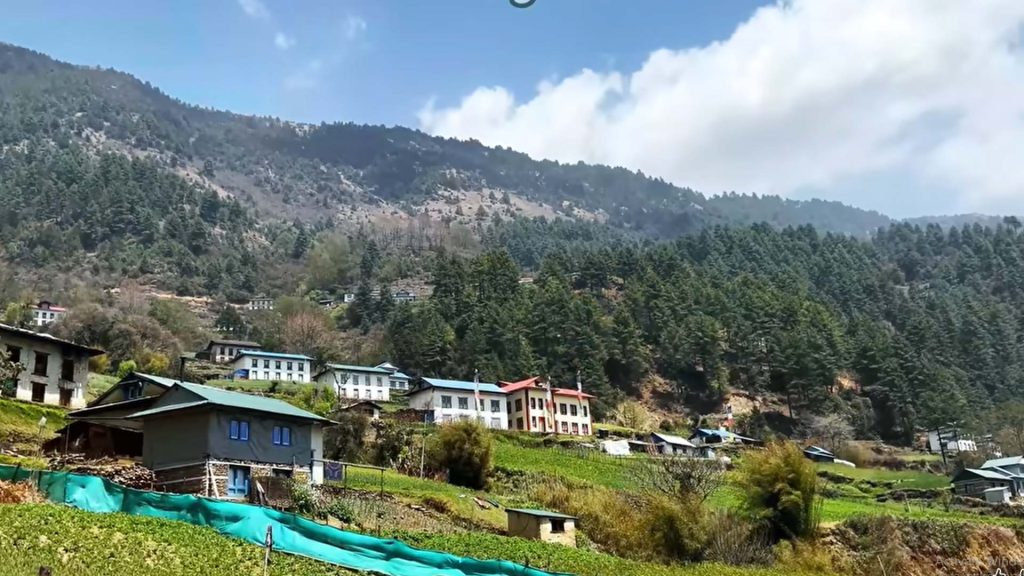
Pikey Peak lies in the lower Solu region, an area deeply connected to Sherpa heritage. This is another key reason the trek feels special.
Many visitors focus only on high-profile places like Namche Bazaar or Tengboche when they think about Sherpa country. But the lower Everest region has its own cultural depth, with monasteries, prayer flags, chortens, grazing lands, old village trails, and daily mountain life that feels less filtered by mass trekking traffic. Walking here gives you a broader understanding of the region beyond the classic expedition corridor.
Hillary’s relationship with the Sherpa community went far beyond mountaineering success. After the 1953 Everest ascent, he devoted much of his life to supporting schools, hospitals, and community projects in Nepal. A place like Pikey Peak sits within the wider human landscape that mattered to him. The beauty is not separate from the people. It is part of the same experience.
For trekkers today, this is one of the route’s strongest qualities. You are not only climbing to a viewpoint. You are moving through villages and ridge country where culture remains central to the journey.
What Makes Pikey Peak Different From Other Viewpoints?
Nepal has no shortage of great viewpoints. So why does Pikey Peak stand out?
First, the altitude is moderate by Himalayan standards. Pikey Peak sits at around 4,065 meters, which is still high enough to demand respect, but it is much lower than many famous Everest-region destinations. That makes the trek more attainable for a wider range of travelers.
Second, the route combines forest, pasture, village life, and ridge walking in a pleasing rhythm. Some treks are famous mainly for the final viewpoint, while the approach feels secondary. On Pikey Peak, the trail itself is enjoyable. Rhododendron forests, yak pastures, long ridgelines, and open hills create variety from day to day.
Third, the sunrise experience is especially memorable. On a clear morning, the first light spreads across a huge line of snowy summits while the darker middle hills remain in shadow. This contrast gives the mountain chain unusual definition. It is one of those viewpoints where waking early feels fully justified.
There is also an emotional factor that is harder to measure. Pikey Peak still feels like a trek where the mountains speak clearly. It has enough infrastructure to be accessible, but not so much that the route loses its character. For many trekkers, that middle ground is exactly what they want.
The Practical Appeal for Today’s Trekkers
If you strip away the history and simply assess Pikey Peak as a trekking choice, it remains highly attractive.
The trek is generally suitable for people with moderate fitness and basic trekking preparation. It can fit into a shorter Nepal itinerary than many major routes, and it usually avoids the flight dependency that shapes many Everest Base Camp plans. That can be a real advantage, especially when mountain weather disrupts air schedules.
It is also a good option for travelers who want a quieter first trek in Nepal before attempting something longer or higher. You still get Himalayan scale, local culture, and rewarding summit-morning drama, but with fewer logistical complications.
That said, Pikey Peak is not a casual hill walk. The weather can change quickly. Cold mornings are common, especially near the top. Trail conditions vary by season, and the quality of views depends heavily on visibility. Like any Himalayan trek, it rewards preparation. Good layering, realistic pacing, and some attention to altitude are still necessary.
Why Hillary’s Opinion Still Carries Weight
There are many famous quotes in mountain travel, and some get repeated so often that they lose clarity. But Hillary’s appreciation of Pikey Peak still matters because it aligns with what trekkers continue to experience on the ground.
When an opinion survives for decades, it usually does so for one of two reasons: either it is a romantic exaggeration or it reflects something genuinely true. In this case, the second explanation fits better. Trekkers who reach Pikey Peak on a clear day usually understand the praise immediately.
More importantly, Hillary’s connection to the area was not superficial. He had lived experience in the Everest region and deep respect for the communities there. His admiration was informed, not casual. That gives his words more substance than a standard travel endorsement.
For many travelers, the bigger lesson is this: famous destinations are not always the only places that best reveal a mountain region. Sometimes a lower, quieter ridge can show the Himalayas more honestly than a crowded marquee route.
Should You Choose Pikey Peak for Your Trek?
If your main goal is to stand at Everest Base Camp, this is not a substitute. The experience is completely different. You will not get the same immersion in the upper Khumbu or the same expedition atmosphere.
But if your goal is to enjoy one of Nepal’s finest Himalayan panoramas, walk through authentic Sherpa landscapes, and keep the trek manageable in terms of time and altitude, Pikey Peak deserves serious consideration. It suits travelers who value scenery and cultural texture over route prestige.
It is especially appealing for trekkers who want strong rewards without committing to a long, demanding itinerary. In that sense, Hillary’s affection for the place still feels relevant. He recognized something many trekkers are now rediscovering – that a great mountain journey is not measured only by altitude gained, but by the quality of what you see, feel, and remember on the trail.
If you go to Pikey Peak with clear weather, enough time to enjoy the villages, and realistic expectations, you will likely come back with the same answer Hillary did: some places do not need extreme height to feel extraordinary.