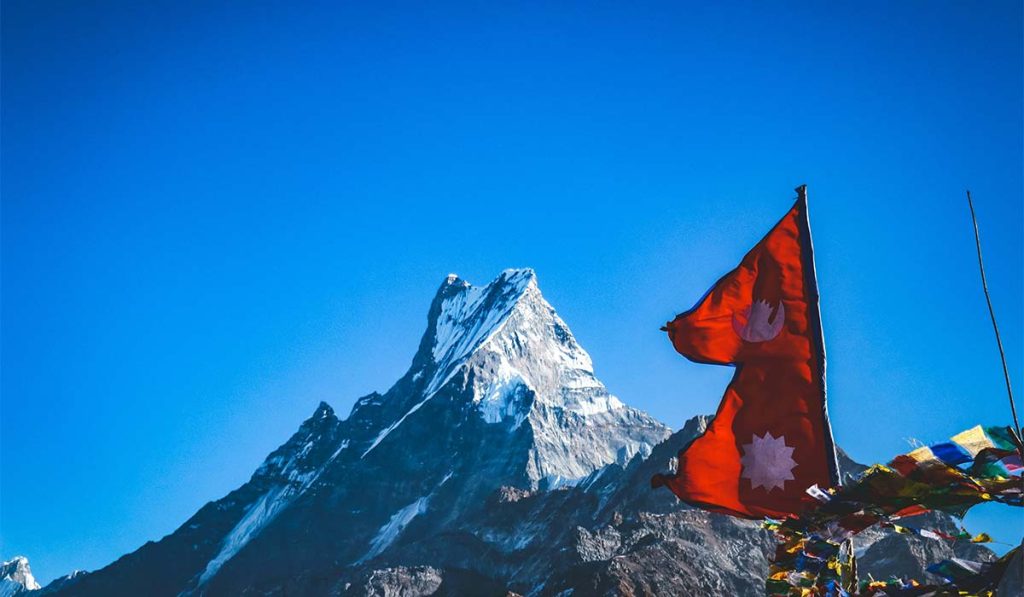
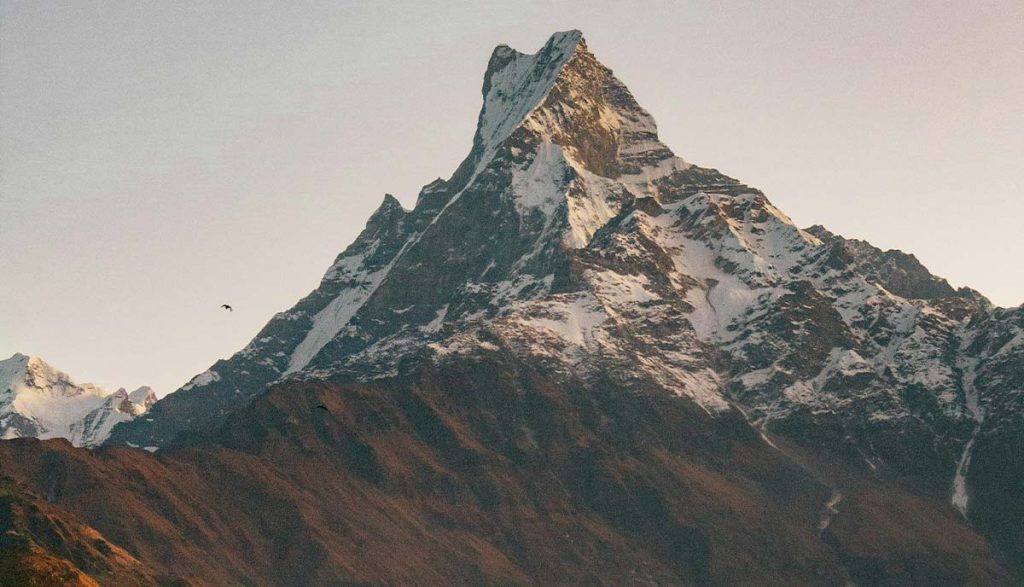
Short on time but still want a real Himalayan trek? A 5 days Mardi Himal Trek package is one of the best ways to experience dramatic mountain scenery in Nepal without committing to a long expedition. In just five days, you can walk through a rhododendron forest, climb above the tree line, stay in simple teahouses, and stand in front of Machhapuchhre, Annapurna South, and Hiunchuli with surprisingly little approach time.
This trek works especially well for travelers who want a shorter Annapurna-region adventure with strong views and moderate logistics. It is not the easiest walk in Nepal, but it is very manageable for fit beginners and enjoyable for experienced trekkers who prefer a compact route with quick rewards.
Why choose a 5 days Mardi Himal Trek package?
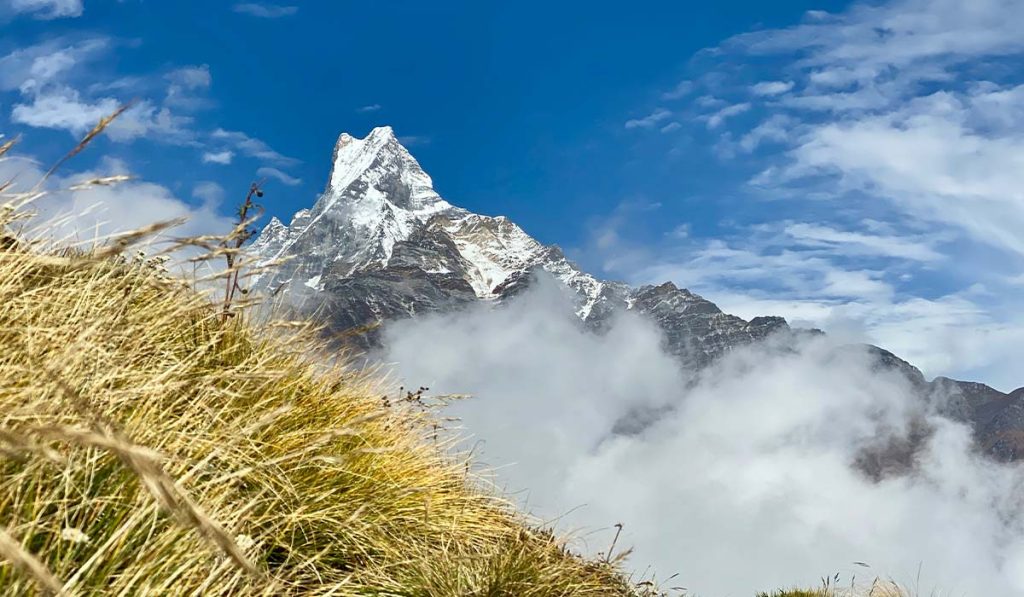
Mardi Himal has become popular for a simple reason: it gives you a high mountain feel without the long trekking days required on bigger routes. Compared with longer circuits or remote camping treks, this route is more efficient. You can reach the trail from Pokhara quickly, the teahouse network is established, and the ridge section above Low Camp feels far more alpine than many trekkers expect from such a short itinerary.
The package format also makes practical sense. Transport, permits, guide support, accommodation, and route pacing are already arranged, which removes a lot of uncertainty. For international travelers arriving in Nepal with limited vacation time, that convenience matters. It reduces planning mistakes and helps keep the trek realistic, especially during busy spring and autumn seasons when rooms fill faster.
Another advantage is flexibility. A five-day version is short, but it still feels like a proper trek rather than a day hike with a lodge stay. You gain enough altitude to see changing landscapes and to feel the shift from lower hills to open mountain country.
Typical 5-day Mardi Himal itinerary
A standard itinerary usually starts with a drive from Pokhara to Kande or Phedi, followed by a trek through Australian Camp, Pothana, and Forest Camp. From there, the trail continues to Low Camp, High Camp, and the Mardi Himal View Point or Mardi Himal Base Camp area, depending on weather, pace, and group fitness. The return is commonly made via Sidhing, followed by a jeep transfer back toward Pokhara.
Day 1: Pokhara (822 m) to Forest Camp (2,600 m)
Trekking distance: Approx. 10–12 km / 6–7.5 miles, Walking duration: 5–7 hours
The first day combines road access and trekking. You will reach the trailhead after a scenic drive from Pokhara. Then you will hit the trail. The walking is mostly through the forest, stone steps, and village trails. It is a good introduction, but do not underestimate it. If you arrive in Nepal tired from travel, the first day can feel longer than expected.
Day 2: Forest Camp to High Camp (3,580 m)
Trekking distance: Approx. 9–11 km / 5.5–7 miles, Walking duration: 5–6 hours
This is one of the most important days. You climb steadily through Low Camp and Badal Danda, where the mountain views begin to open. Once you leave the dense forest behind, the trail becomes more exposed and the landscape starts to feel dramatic.
Day 3: High Camp to View Point or Base Camp (4,500 m), then back down
Trekking distance: Approx. 14–18 km / 8.5–11 miles depending on turnaround point, Walking duration: 7–9 hours
Most trekkers start before sunrise. This is the highlight of the trek. The trail follows a narrow ridge with steep drop-offs in places, so steady footing and good weather are important. Some itineraries go to Mardi Himal View Point, while stronger trekkers may continue toward base camp if conditions allow. After the morning push, you descend to Low Camp or Forest Camp.
Day 4: Descend to Sidhing (1,850 m)
Trekking distance: Approx. 7–10 km / 4–6 miles, Walking duration: 4–6 hours
This section drops through woodland and local settlements. It is easier at altitude but can be tiring on the knees, especially in wet and steep conditions.
Day 5: Return to Pokhara
Driving distance: Approx. 40–50 km / 25–31 miles, Driving duration: 3–4 hours depending on road conditions
After breakfast, take a shared or private jeep from Sidhing back to Pokhara. The drive takes around 3–4 hours through rural hillsides and winding mountain roads, marking the end of the Mardi Himal trek.
What is usually included in a 5 days Mardi Himal Trek package?
Most packages include trekking permits, guide service, teahouse accommodation, transportation to and from the trailhead, and meals during the trek. Some also include porter service, while others price it separately. If you are comparing offers, this is where many differences appear.
Ask whether the package covers the Annapurna Conservation Area Permit and TIMS requirements, private or shared transport, guide insurance, and all meals or only breakfast. Also check whether accommodation in Pokhara is included before or after the trek. A cheap package can look attractive at first, but once meals, porter, and transport upgrades are added, the price changes quickly.
How difficult is the trek in 5 days?
The route is moderate, but the five-day version is more physically demanding than slower itineraries. The challenge is not technical climbing. It is the compressed pace, repeated ascent and descent, and the early morning push to higher altitude viewpoints.
Most healthy trekkers with basic fitness can complete it. Still, there are a few honest trade-offs. A shorter itinerary means less time to rest and less flexibility if weather turns poor. If you prefer slower acclimatization, want extra photography time, or are unsure about your stamina, a six- or seven-day version may suit you better.
The highest sleeping point is usually High Camp at around 3,550 meters, while the viewpoint section goes above 4,000 meters. Altitude sickness is less common here than on Everest or Annapurna Circuit routes, but it should not be dismissed. Headache, poor sleep, fatigue, and appetite loss can still happen.
Best season for the Mardi Himal trek
Spring and autumn are the strongest seasons for this route. From March to May, the forests are greener and rhododendrons can be in bloom, which adds a lot to the lower section of the trail. Mountain views are often good in the morning, though haze may build later in the day.
From late September to November, visibility is often excellent, the skies are clearer, and the trail conditions are generally reliable. This is the most popular period for trekkers who want crisp views of Machhapuchhre and the Annapurna range.
Winter can also work if you are prepared for cold mornings and possible snow above Low Camp. The route becomes quieter, which some trekkers enjoy. Monsoon is the least favorable season because of rain, slippery trail sections, cloud cover, and leeches in the forest.
Accommodation and food on the route
This is a teahouse trek, so you will sleep in simple mountain lodges. Rooms are basic, usually twin-share, with thin walls, simple beds, blankets, and shared toilets. As you go higher, facilities become more limited. Hot showers, charging, and Wi-Fi may be available in some places, but you should not rely on them.
Food is straightforward and practical. Dal bhat, noodles, fried rice, soup, eggs, pancakes, potatoes, tea, and coffee are commonly available. The higher you go, the more expensive items become because supplies are carried up the trail. For a short trek, the food is usually sufficient, but it helps to bring a few energy snacks from Pokhara.
Permits, guide rules, and logistics
You need the relevant Annapurna-region permits for this trek. Regulations and enforcement can change, so it is wise to confirm current permit and guide requirements before departure. Many trekkers now choose a package because these formalities are handled in advance and route support is clear from day one.
Getting to the trail is relatively easy compared with many other Nepal treks. Pokhara is the main gateway, and the road transfer to the starting point is short enough that you can begin walking the same day. That efficiency is one reason this route suits travelers with tighter schedules.
What to pack for a 5-day trek
Because the trek is short, some travelers try to pack too light and then regret missing cold-weather basics. Weather changes fast on the ridge, and mornings at High Camp can be very cold.
You should carry broken-in trekking shoes, warm layers, a waterproof jacket, gloves, a hat, sunglasses, sunscreen, a refillable water bottle, and a headlamp. A sleeping bag is useful even when lodges provide blankets. Trekking poles help on the descent, especially if your knees are sensitive. If you are hiring a porter, keep your daypack light with water, valuables, rain gear, and essential layers.
Is this package right for you?
If you want a short trek with big Himalayan views, simple logistics, and a good balance between comfort and adventure, this route is a smart choice. It suits couples, solo travelers joining a guided departure, small groups, and first-time Nepal trekkers who want something memorable without committing to a two-week schedule.
If your main goal is deep cultural trekking through many villages, this may feel too compact. If your priority is a quieter ridge walk, strong mountain scenery, and a route that fits into a limited travel window, it is hard to beat. A well-planned 5 days Mardi Himal Trek package gives you exactly that – a short trek that still feels like the Himalayas, not a rushed substitute for them.