Some treks become famous because they are the highest, longest, or most demanding. Mardi Himal became popular for a different reason. It gives trekkers a rare combination in Nepal: a relatively short route, close-up Himalayan scenery, manageable logistics, and a trail that still feels quieter than many classic treks in the Annapurna region.
If you are wondering why the Mardi Himal Trek is popular, the answer is not just one thing. Its appeal comes from how well it fits what many trekkers actually want – strong mountain views, a clear route, teahouse comfort, and a rewarding experience without needing several weeks in the mountains.
Why the Mardi Himal Trek is popular with so many trekkers
The Mardi Himal Trek sits in the Annapurna region, not far from Pokhara, which already gives it a practical advantage. Travelers can reach the starting area without the long overland journeys required for some remote treks. For people with limited holiday time, that matters more than many expect.
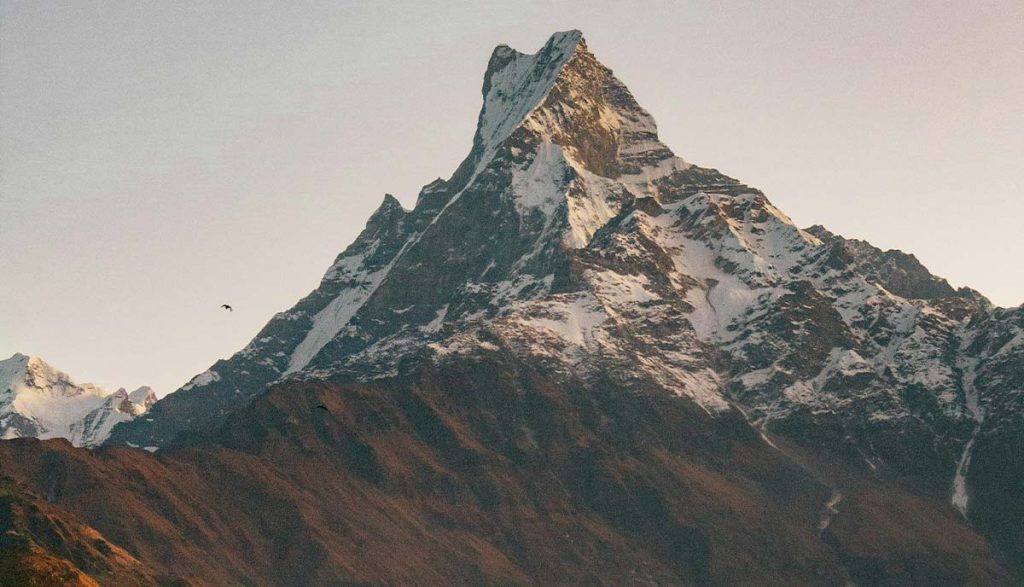
But access alone is not enough to make a trek stand out. What really lifts Mardi Himal is how quickly the landscape changes. You move from lower forest and village settings into rhododendron country, then to open ridgelines with dramatic views of Machhapuchhre, Annapurna South, and Hiunchuli. The feeling of getting close to the high mountains comes early in the trek, and that creates a strong sense of reward.
Another reason is balance. Mardi Himal is not an extreme expedition route, but it does not feel too easy or too developed either. Many trekkers want a trail that gives a real Himalayan trekking experience without the heavy demands of a high-altitude crossing or a very long itinerary. Mardi Himal fits that middle ground well.
The views are exceptional for a short trek
One of the biggest reasons for the trek’s popularity is simple: the mountain scenery is much bigger than the time investment. On longer routes, trekkers often spend several days building toward the main viewpoints. On Mardi Himal, the visual reward arrives sooner.
The ridge section above Low Camp, especially toward High Camp and the upper viewpoint, is what many trekkers remember most. Machhapuchhre feels especially close, and that matters because it creates a stronger emotional impact than distant panoramas alone. You do not just see the mountains on a clear day – you feel surrounded by them.
This makes the trek attractive for first-time visitors to Nepal. If someone has one chance to trek in the Himalayas and wants a strong mountain experience in less than two weeks, Mardi Himal becomes an easy option to shortlist.
It suits trekkers with limited time
Not everyone can spend 14 to 20 days on a trek. Many travelers are working around vacation limits, family schedules, or a broader Nepal itinerary. Mardi Himal is popular because it can often be completed in about five to seven trekking days, depending on the route plan and pace.
That shorter duration reduces several barriers at once. It lowers overall trip cost, simplifies packing, and makes the trek more realistic for people who are fit but not looking for a long expedition-style commitment. It also works well as part of a combined trip, especially for travelers who want trekking plus sightseeing, wildlife, or another short adventure in Nepal.
Of course, short does not always mean easy. Trekkers still need to handle steep uphill sections, changing weather, and moderate altitude. But compared with longer routes such as the Annapurna Circuit or the Everest Base Camp, the time demand is far more manageable.
The difficulty feels achievable for many people
Mardi Himal has become especially popular with trekkers who want a challenge that feels realistic. This is an important distinction. A trek can be beautiful, but if people believe it is too difficult, they often choose something else.
Mardi Himal is usually considered a moderate trek. You do not need technical climbing skills, and most healthy trekkers with decent preparation can complete it. That opens the route to a wide audience, including active beginners, couples, solo travelers, and hikers stepping up from lower-altitude trails.
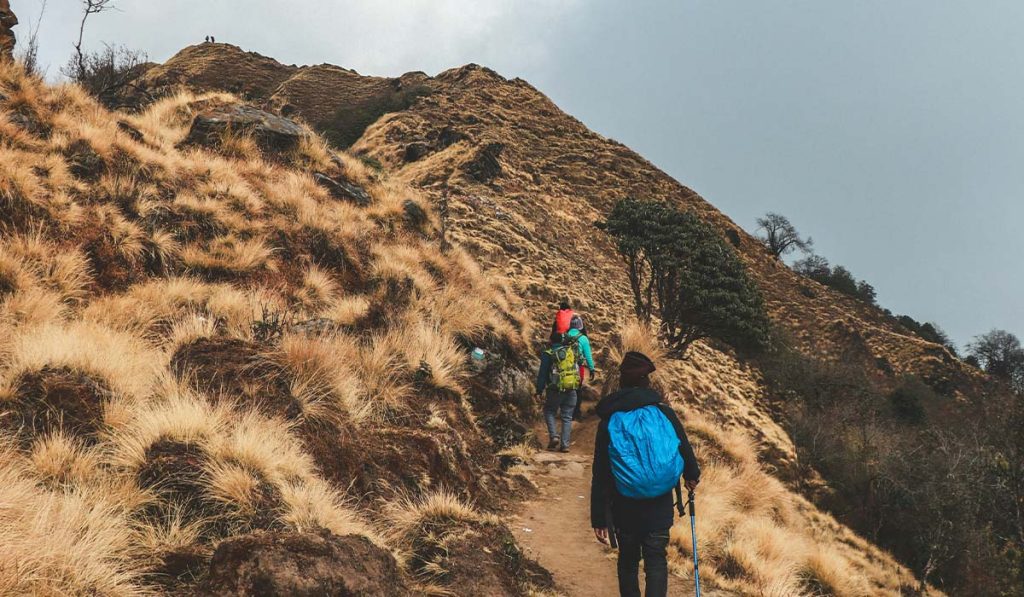
At the same time, the trek still feels adventurous. There are long climbs, narrow ridge sections in places, and the final approach toward the upper viewpoint can feel exposed in bad weather. This mix of accessibility and real mountain character is part of its appeal. It feels earned, not handed over.
It is quieter than many famous Nepal treks
Crowding changes the trekking experience. Some people enjoy the social energy of popular routes, but many are looking for more space, more silence, and a stronger connection to the landscape.
That is another reason why the Mardi Himal Trek is popular. It gives trekkers a quieter alternative in the Annapurna region, especially compared with busier sections of Annapurna Base Camp or the major Everest trails. Even though Mardi Himal is no longer unknown, it still often feels less congested than Nepal’s most established routes.
This matters on the trail, in teahouses, and at viewpoints. A quieter route often feels more personal. You notice the forest sounds, the changing clouds, and the shape of the ridge in a different way when you are not constantly moving in a large line of trekkers.
There is a trade-off, though. Fewer crowds can also mean fewer facilities in some sections and less margin for poor planning in off-season conditions. That is why timing, route choice, and up-to-date local information still matter.
The route is simple enough to plan with confidence
Many trekkers are drawn to Mardi Himal because the route is relatively straightforward. The trail structure is easier to understand than some longer circuits with multiple passes, side trips, and transport variables. That simplicity reduces planning stress.
For travelers researching Nepal from abroad, that is a real advantage. They want to know how many days to allow, what permits are required, where they will sleep, and how hard each day will feel. Mardi Himal is one of those treks where the answers are usually clear enough to make planning less intimidating.
The teahouse system also helps. Accommodation is generally simple but workable, and you do not need the same level of expedition logistics that remote camping routes require. For many people, that combination of mountain immersion and basic comfort is exactly right.
The trail gives variety, not just one type of scenery
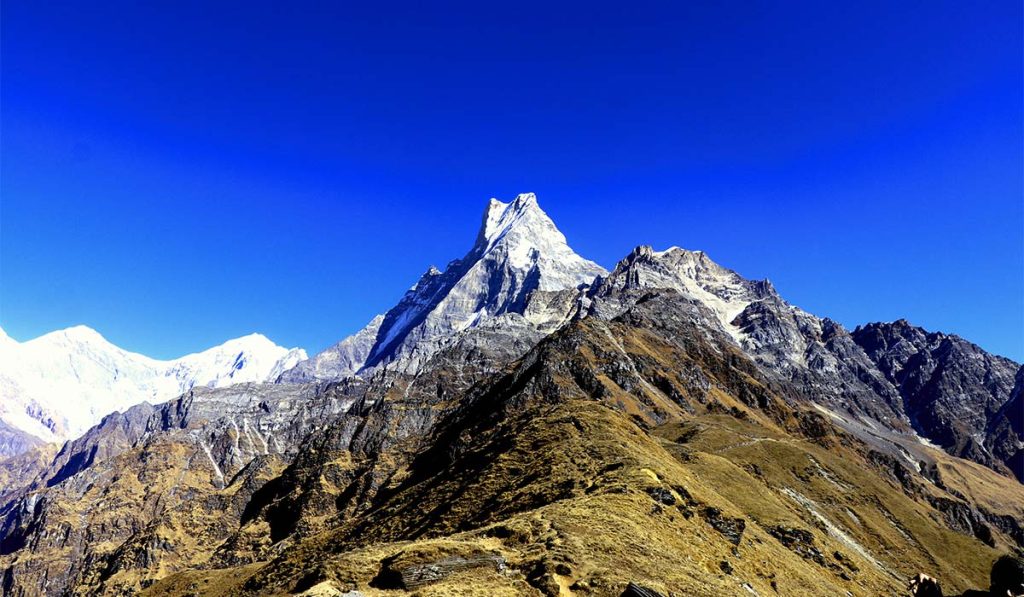
A trek becomes memorable when it keeps changing. Mardi Himal does that well. Lower sections pass through settlements and cultivated areas, then into forested trails where rhododendrons can be especially beautiful in spring. Higher up, the route shifts into open terrain and ridgeline walking, with broader views and a more alpine feel.
This variety helps the trek appeal to different kinds of travelers. Some come for photography, some for mountain atmosphere, and some simply want a route that does not feel repetitive. Mardi Himal delivers enough change each day to keep interest high.
The seasonal differences also shape its popularity. Spring brings blooming forests and generally stable trekking conditions. Autumn is known for clearer skies and excellent visibility. Winter can be beautiful for those prepared for cold conditions, while the monsoon brings greener landscapes but also more clouds, mud, and lower visibility. So the trek works in several seasons, but expectations should be adjusted.
It offers strong value for effort and cost
Trekkers often compare routes by more than scenery. They also consider whether the experience justifies the time, expense, and physical effort involved. Mardi Himal performs well on that test.
Because the trek is shorter, the overall budget is often lower than for major multi-week routes. Transport from Pokhara is relatively convenient, and the number of trekking days keeps food and lodging costs more contained. For many travelers, that makes it one of the better-value Himalayan treks without feeling like a compromise.
The effort-to-reward ratio is also strong. You work for the views, especially on the uphill days, but the payoff comes quickly and repeatedly. That leaves many trekkers feeling they got a full mountain experience from a compact itinerary.
Popular does not mean perfect for everyone
It is worth being honest here. Mardi Himal is popular, but that does not automatically make it the best trek for every traveler.
If you want deep cultural immersion across many villages, other routes may offer more. If your goal is to reach a famous base camp, you may prefer Annapurna Base Camp or Everest Base Camp. If you want a long remote journey with fewer facilities, Mardi Himal may feel too short or too accessible.
Weather can also change the experience quickly. Cloud cover can hide the very views people come for, and the upper trail can feel much tougher in wind, cold, or snow. Altitude is moderate compared with some routes, but it should still be taken seriously. Good pacing, proper gear, and realistic planning remain important.
For the right trekker, though, these are manageable considerations rather than major drawbacks.
Why Mardi Himal keeps attracting both first-timers and repeat trekkers
Some Nepal treks are chosen once as a bucket-list goal. Mardi Himal often attracts a broader mix. First-time trekkers like it because it feels achievable and visually dramatic. Experienced trekkers like it because it delivers a satisfying route in less time and can work well when they want a shorter Himalayan trip.
That broad appeal is rare. It is one reason the trail has grown so steadily in reputation. People recommend it to friends because it feels practical, scenic, and rewarding without being overly complicated.
From a planning point of view, that is probably the clearest answer of all. The Mardi Himal Trek is popular because it matches what many trekkers are honestly looking for: a shorter Nepal trek with big views, a real sense of adventure, and logistics that are easier to manage than many of the country’s more demanding routes. If that sounds like your kind of mountain journey, Mardi Himal deserves a serious look.