
One of the biggest mistakes trekkers make in Langtang is assuming every package offers the same experience with a different price tag. In reality, a Budget Standard Luxury Langtang Trek can feel very different on the trail, not just in Kathmandu. The route may be the same, but transport, guide quality, lodge comfort, meals, flexibility, and overall support can change your trek more than most people expect.
Langtang is often seen as one of Nepal’s more accessible Himalayan treks. It is closer to Kathmandu than Everest or Annapurna circuit-style journeys, and it usually costs less. That makes it attractive for trekkers who want mountain views, Tamang culture, alpine landscapes, and a good high-altitude experience without a very large budget. But “less expensive than Everest” does not answer the real planning question. The real question is what level of service you actually want.
If you are comparing budget, standard, and luxury options for the Langtang trek, the best choice depends on how you travel, how much uncertainty you are comfortable with, and where you want to spend your money. Some trekkers are happy with basic lodges and local buses. Others want a private jeep, better rooms before and after the trek, and stronger logistical support. Neither approach is automatically right. It depends on your priorities.
Budget Standard Luxury Langtang Trek: What changes?
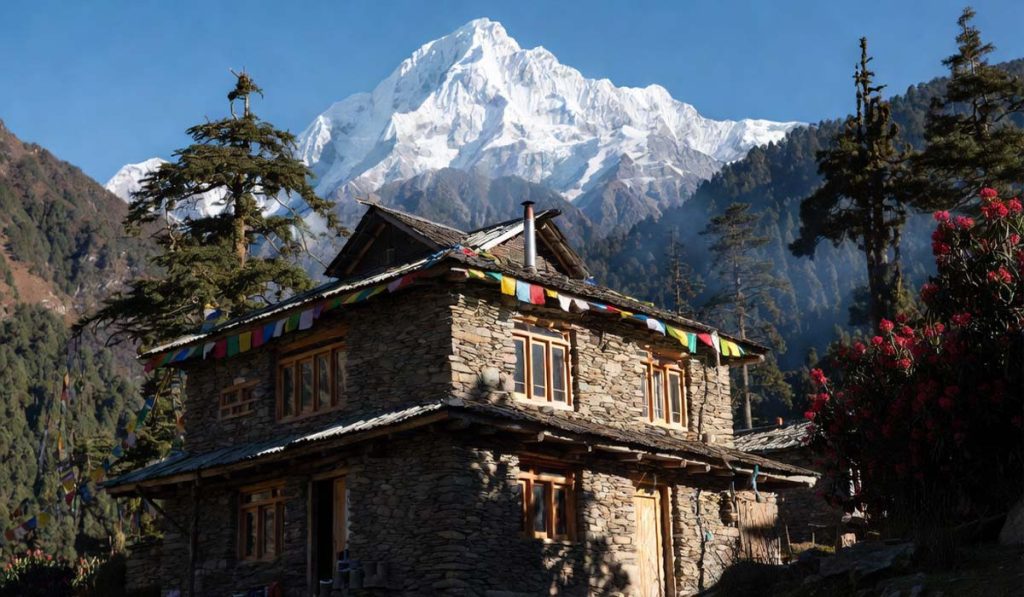
The core trek remains the same. Most itineraries follow Syabrubesi or a nearby starting point, then continue through Lama Hotel, Langtang Village, and Kyanjin Gompa, with side trips such as Kyanjin Ri or Tserko Ri. The mountains, forests, rivers, and yak pastures do not become more beautiful because you paid more.
What changes is how you reach the trail, how comfortably you sleep, how smoothly the trip runs, and how much support you receive when conditions shift. In Langtang, luxury does not mean five-star hotels on the trekking trail. This is still a remote mountain region. Even a higher-end package works within the limits of local tea houses and road conditions. Luxury here usually means smarter logistics, stronger organization, more comfort where possible, and fewer rough edges.
A budget trek usually strips the trip down to essentials. A standard trek balances cost and comfort. A luxury trek improves transport, guide service, city hotels, food choices, and room quality where available.
Budget Langtang trek: best for simple, cost-focused travel
A budget Langtang trek works well for trekkers who care more about reaching the mountains than about comfort. It usually includes basic tea house accommodation, simple meals, public transport to and from the trailhead, permits, and a guide or porter-guide depending on the arrangement.
This option can be very good value, especially for experienced hikers who do not need much support. If you are comfortable with basic twin-share rooms, shared toilets in some villages, limited menu choices, and occasional transport delays, budget trekking can still deliver an excellent Langtang experience.
The trade-off is that small problems feel bigger when there is less backup built into the plan. Public buses can be crowded and slow. Accommodation choices may be based more on availability than comfort. The guide-to-client setup may be thinner, especially in very low-cost packages. This does not always mean poor service, but it does mean you should check exactly what is included.
Budget trekking in Langtang is often a strong choice for younger travelers, backpackers, and trekkers who have already done tea house trekking in Nepal and know what “basic” really means in the hills.
Standard Langtang trek: the most practical choice for most trekkers
For many travelers, the standard Langtang trek is the sweet spot. It keeps the trip affordable while removing some of the strain that comes with the lowest-cost approach. You still stay in tea houses, but usually in more reliable lodges where available. Transport is often better organized, and guide service is usually more consistent.
This style suits first-time trekkers in Nepal, couples, small groups, and travelers who want a well-managed trip without paying for extras they may not use. In practical terms, standard packages often include a private vehicle for some sections or at least more dependable transportation arrangements, better hotel stays in Kathmandu, permits, meals during the trek, and an experienced guide with clearer operational support.
The value of standard service becomes obvious when the weather shifts, roads are rough, someone in the group walks slower than expected, or room availability gets tight in peak season. Good planning matters more than flashy upgrades in Langtang, and that is where a standard package often earns its price.
If you want comfort, but you also understand that this is still a mountain tea house trek, standard is usually the most sensible category.
Luxury Langtang trek: what luxury really means in this region
Luxury in Langtang needs an honest definition. It does not mean heated suites all the way to Kyanjin Gompa. Anyone selling that idea is overselling. The trail infrastructure simply does not support high-end resort comfort the way some lower-altitude destinations do.
A luxury Langtang trek usually begins with premium support before you even start walking. That may include high-quality hotel accommodation in Kathmandu, private airport transfers, a private jeep to the trailhead, a more personalized guide team, porter support with better load management, and careful itinerary pacing. On the trek itself, operators will choose the best available lodges, private rooms where possible, better meal planning, and more attentive service overall.
For some trekkers, the biggest luxury is not the room. It is reduced stress. You do not need to negotiate transport, guess where you will sleep, or manage each detail yourself. That is especially valuable if you are on a shorter holiday, traveling with family, or combining Langtang with other Nepal trips.
Luxury makes the most sense for trekkers who want a more private, efficient, and comfortable journey, but still understand the realities of remote Himalayan travel.
Cost differences and what you are paying for
The price gap between budget, standard, and luxury Langtang trekking is usually driven by five things: transport, guide and porter structure, accommodation quality, Kathmandu services, and how much flexibility is built into the trip.
Transport creates one of the clearest differences. A public bus keeps costs low, but it can be tiring and unpredictable. A private jeep costs more, but it saves energy and gives you control over timing. On a route like Langtang, where the road journey itself can be long and bumpy, this upgrade is meaningful.
Guide service is another major factor. A cheaper package may still include a good guide, but at the low end, margins get tight. That can affect experience, communication, and attention to detail. A stronger guide often improves acclimatization pacing, lodge coordination, food planning, and your understanding of the region.
Accommodation on the trail has limits, no matter what you pay. Still, better operators usually secure the best available rooms and manage overnight stops more carefully in busy months. In Kathmandu, the gap is much wider. Budget plans may use simple tourist-standard hotels, while luxury plans can provide far more comfort before and after the trek.
Then there is flexibility. Low-cost itineraries are usually fixed. Higher-end trips often adapt more easily to your pace, weather issues, or side trip interests.
Which Langtang trek style is right for you?
If your main goal is to keep costs low and you are comfortable with simple mountain travel, a budget is enough. You will still see the same peaks, walk the same trails, and experience the same core route. Just go in with realistic expectations.
If you want reliable planning, balanced comfort, and a smoother experience without pushing the price too high, standard is usually the best fit. For most trekkers, this is the category that delivers the strongest overall value.
If you want the trip to feel well-supported from arrival to departure, prefer private transport, and do not want to spend your energy solving logistics, luxury is worth considering. It is less about extravagance and more about convenience, service quality, and peace of mind.
A few smart checks before booking
Before choosing any Langtang package, ask what transport is used, whether meals are included, what kind of guide is assigned, if porter service is included, what hotel category is used in Kathmandu, and whether private rooms are guaranteed or only offered when available. Also ask how the operator handles delays, road disruptions, or changes in walking pace.
The cheapest quote is not always the best deal, and the highest quote is not always the best service. A well-run trek comes from honest inclusions, field experience, and realistic planning. That matters in Langtang more than polished marketing.
A good Langtang trek is not defined by whether it is budget, standard, or luxury. It is defined by whether the trip matches your expectations, fitness, comfort level, and travel style. When those match properly, the trail feels a lot better from the first day to the last.

