
A lot of trekkers choose Langtang because it is one of Nepal’s most rewarding mountain routes without the high price tag of Everest or some restricted-area treks. Still, the real Langtang trek cost depends on more than the package price or permit fee. Transport, guide services, food, trail spending, and the style of trek you choose can change your budget more than many people expect.
If you are planning this trek for the first time, the good news is that Langtang is relatively straightforward to budget. The route has no domestic flights, teahouse prices are generally manageable, and the trek can be done in a shorter window than many other famous regions in Nepal. That said, there is still a big difference between a basic independent-style budget and a fully supported private trek.
What affects Langtang trek cost?
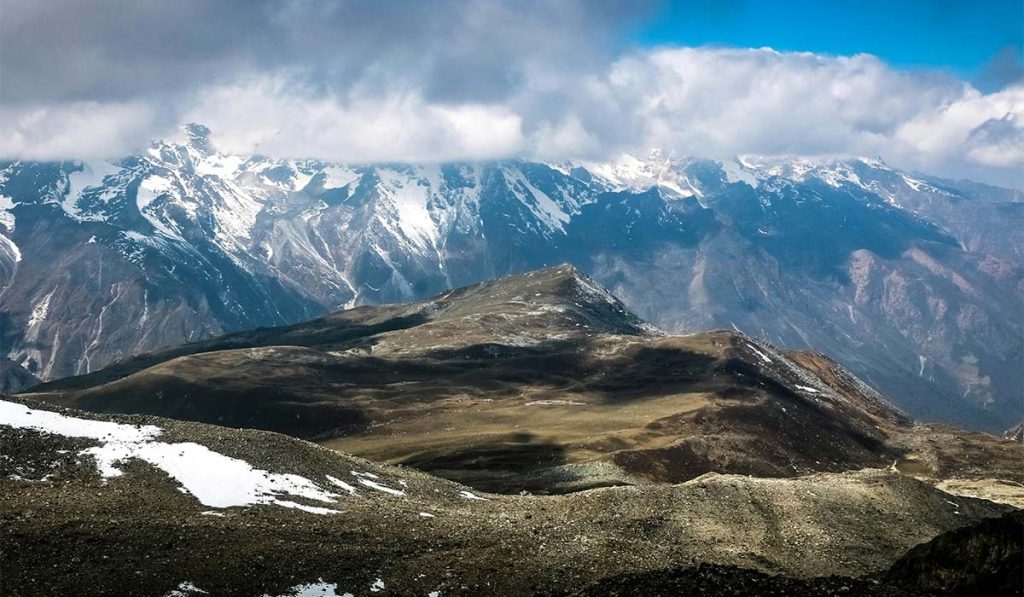
The biggest cost factors are trek duration, whether you hire a guide or porter, the season, and how much comfort you want on the trail. A 7-day trek with shared transport and simple teahouses will cost much less than a 10-day itinerary with private jeep transfers, a guide, porter support, and extra days in Kathmandu.
Your spending style matters too. Some trekkers are happy with dal bhat, black tea, and basic rooms every night. Others want frequent snacks, coffee, hot showers, charging, Wi-Fi where available, and private transport. None of these are wrong choices, but they do change the final number.
Langtang trek cost by category
For most trekkers, the total cost falls into a few clear categories: permits, transport, guide and porter fees, accommodation, meals, gear, travel insurance, and personal spending. Looking at each one separately is the easiest way to build a realistic budget.
Permits
Langtang is not a restricted trekking area, so permit costs are simpler than in places like Manaslu. Most trekkers need the Langtang National Park entry permit and the TIMS card requirement may depend on your trekking arrangement and current regulations in place at the time of travel. Permit policies in Nepal can change, so it is always wise to confirm the latest rule before arrival.
In general, permits are not the most expensive part of this trek. Compared with total spending on transport, food, and support staff, permits are a relatively small piece of the budget.
Transportation to and from Syabrubesi or the trailhead area
This is one of the most important cost variables. Most Langtang treks begin with road travel from Kathmandu toward Syabrubesi or the nearest practical starting point, depending on current road conditions and itinerary design.
A local bus is the cheapest option, but it is also the longest and least comfortable. A shared jeep costs more but is usually much more practical for trekkers. A private jeep is the most comfortable and flexible choice, especially for small groups, but it adds a noticeable amount to your total budget.
Road conditions can affect timing and price. After monsoon or during periods of road damage, transport can become slower and less predictable. That does not always make it dramatically more expensive, but it can affect how much contingency money you should keep.
Guide and porter costs
For many trekkers, this is the single biggest decision in the budget. If you trek with a licensed guide, your costs go up, but so do convenience, local insight, route support, and safety. On Langtang, the trail is clearer than some remote routes, but a guide still adds real value, especially if this is your first trek in Nepal or if you want help with logistics, pacing, and teahouse coordination.
A porter can make the trek much more comfortable by carrying your main bag, which is especially helpful if you are not used to multi-day trekking at altitude. Hiring both a guide and porter obviously raises the total cost, but for many trekkers it improves the whole experience.
If you book through a company, the quoted price may include staff wages, meals, accommodation, insurance, and transport. If you compare prices, always check what is actually covered. A lower price is not always a better deal if key services are excluded.
Accommodation on the trail
Langtang is a teahouse trek, which helps keep lodging costs lower than expedition-style or camping routes. Rooms are usually basic, with twin beds, blankets, and shared toilets in many villages. The room price itself is often modest, especially if you take meals at the same teahouse.
However, trekkers sometimes underestimate the small extras. Hot showers, device charging, and occasional Wi-Fi can come at an extra charge. At higher elevations, prices usually rise because everything must be transported in.
Food and drinks
Food is where many budgets quietly expand. Breakfast, lunch, dinner, tea, coffee, bottled water, snacks, and desserts can add up faster than expected over a week or more. Dal bhat is usually the best-value meal because it is filling and often comes with refills, while Western items and packaged snacks usually cost more.
At lower villages, prices are reasonable. Higher up, meals become more expensive because supplies are harder to bring in. If you drink several hot beverages a day, buy chocolate, or rely on bottled drinks, your trail spending will rise quickly.
Gear and clothing
If you already trek regularly, you may not need to add much here. But if this is your first Himalayan trek, gear can become a major pre-trip expense. Down jackets, sleeping bags, trekking poles, layers, waterproofs, and proper boots all matter.
Some items can be rented in Kathmandu, which helps reduce the upfront cost. Renting is a good option for trekkers who do not plan to use the gear often after this trip. Buying is better if fit, reliability, and long-term use are more important to you.
Travel insurance and emergency backup
This should be part of your Langtang trek cost, not an afterthought. Good travel insurance that covers high-altitude trekking and emergency evacuation is essential. Langtang is accessible compared with some remote trekking regions, but altitude sickness, injury, and sudden illness are still real possibilities.
You should also carry some extra funds beyond your planned budget. Road delays, added hotel nights in Kathmandu, or unplanned spending on the trail are not unusual in Nepal.
Typical budget ranges for Langtang trek cost
A budget trekker arranging things carefully and keeping spending simple may complete the trek for a relatively modest amount by Nepal trekking standards. This usually means basic teahouses, local transport, no porter, controlled food spending, and either independent logistics or a very simple support setup.
The mid-range trek budget is the most common choice. This often includes permits, shared jeep or tourist-style transport where available, a guide, teahouse accommodation, regular meals, and a few comfort extras. For many trekkers, this is the best balance between cost and experience.
A more comfortable or private trek costs more but removes much of the stress. This usually includes private transport, a licensed guide, porter support, pre-arranged logistics, and sometimes hotel stays in Kathmandu before and after the trek. For couples, families, or trekkers with limited time, this can be money well spent.
As a rough planning range, many trekkers spend somewhere between $500 and $1,200 per person for the core trek, depending on duration and support level. Costs can fall below or above that, but this is a practical starting point for most travelers.
How to keep the cost reasonable without ruining the trek
The easiest way to control spending is to make smart choices before you arrive. Keep your itinerary realistic, avoid unnecessary transport upgrades unless time matters, and decide early whether guide and porter support fits your priorities.
Food discipline helps more than people think. Eating local meals, carrying water purification instead of buying bottled water, and limiting imported snacks can save a meaningful amount over several days. Choosing one or two comfort extras rather than every available extra also keeps the budget under control.
At the same time, there are areas where saving too much can backfire. Cheap gear that fails, no insurance, or hiring unofficial staff only to save a small amount is rarely worth the risk. In the mountains, value matters more than the lowest possible price.
Is Langtang good value compared with other treks?
Yes, for many trekkers it is one of the best-value treks in Nepal. You get strong mountain scenery, Tamang culture, glacier views, high alpine landscapes, and a real Himalayan trekking experience without the cost of domestic flights or restricted-area permits.
Compared with Everest Base Camp, Langtang is usually more affordable. The price can be similar or slightly lower thean the Annapurna Base Camp trek depending on transport style and itinerary. Compared with Manaslu or Upper Mustang, Langtang is generally much cheaper.
That is why it appeals to trekkers who want a serious mountain journey without stretching the budget too far. It is accessible, scenic, and logistically simpler than many people expect.
Final planning advice
When budgeting for Langtang, do not ask only, “What is the cheapest way to do it?” Ask, “What kind of trek do I want to have?” That question leads to better choices.
A well-planned Langtang budget should cover the essentials comfortably, leave room for trail realities, and match your trekking style. If you build in enough for safe transport, proper support, good food, and a little flexibility, the cost stays manageable and the experience is usually far better.

