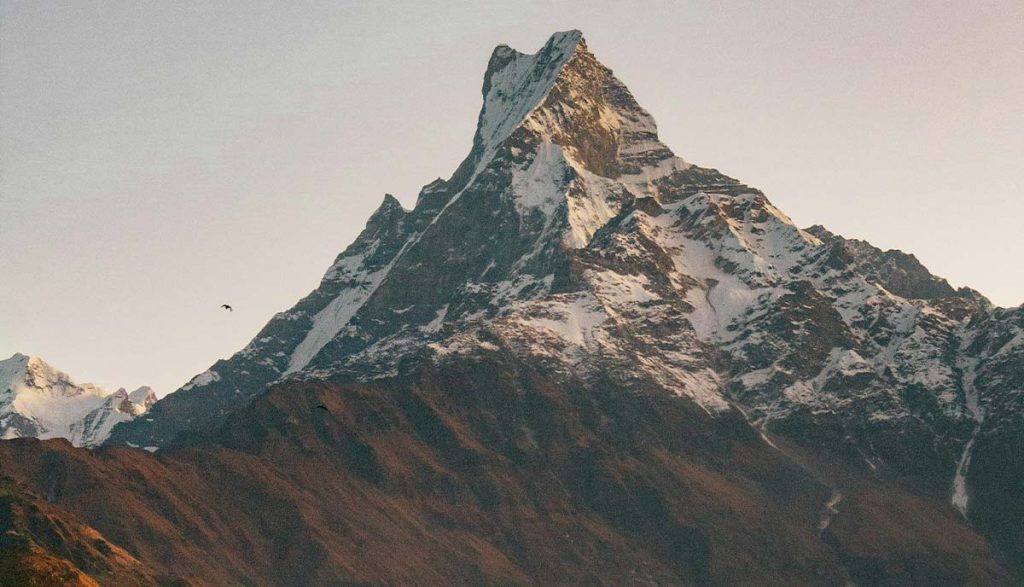
Most trekkers asking about a Mardi budget vs luxury itinerary are not really asking about luxury in the five-star sense. They are asking a more practical question: how much comfort is possible on the Mardi Himal Trek, and what is worth paying extra for? That distinction matters because Mardi is a short and rewarding trek, but it is still a mountain route with limited infrastructure once you leave the road.
If you are choosing between a lower-cost plan and a more comfortable one, the right answer depends on your budget, trekking experience, tolerance for simple lodges, and how much convenience you want before and after the trail. Mardi can be done affordably, but it can also be upgraded in smart ways that reduce stress and improve recovery without turning it into a completely different trek.
What changes in a Mardi budget vs luxury itinerary?

The trail itself does not change. You still walk through the forest, climb to the high camp, and aim for the same outstanding ridge views toward Machhapuchhre, Annapurna South, and Hiunchuli. What changes is the standard of transport, accommodation, meals, pacing, and support.
A budget itinerary usually focuses on public transportation or shared jeep access where possible, basic teahouse rooms, standard local meals, and a shorter overall schedule. It is often the choice for independent trekkers, backpackers, and anyone comfortable with simple conditions.
A luxury-style Mardi itinerary is more accurately a comfort-focused itinerary. On this route, true luxury is mostly available in Pokhara and occasionally at lower elevations, not at high camp. The upgrade comes from private transport, better hotel stays before and after trekking, more flexible pacing, porter support, a guide who handles logistics, and choosing the best available rooms rather than the cheapest available rooms.
That is why expectations matter if someone promises a fully luxurious Mardi trek from start to finish, which usually does not reflect the reality of the route.
Where budget trekkers save money
The biggest savings usually come from transportation and accommodation. If you travel from Kathmandu to Pokhara by tourist bus instead of flight, and if you use shared local transport to reach the trek start, your total cost drops quickly. For many trekkers, this is the easiest place to cut expenses without affecting the core mountain experience.
On the trail, budget trekkers stay in standard teahouses with twin-sharing rooms and shared toilets in many places. Rooms are simple, often with basic beds, blankets, and little insulation. In lower villages, conditions can be comfortable enough. Higher up, simplicity becomes more noticeable, especially in cold weather.
Food is another area where budget trekkers stay disciplined. Dal bhat remains the best value on most Nepal treks because it is filling, reliable, and often refillable. Ordering pancakes for breakfast, noodles for lunch, pasta for dinner, plus frequent tea, coffee, desserts, and snacks can raise your daily spending more than many first-time trekkers expect.
A budget itinerary also tends to be tighter in schedule. For example, trekkers may move from Forest Camp to High Camp more quickly and descend without adding recovery nights. That is not always a problem on Mardi, since the trek is relatively short, but a faster pace leaves less room for weather delays, fatigue, or simply enjoying the route.
What a luxury-style Mardi itinerary actually looks like
On Mardi, comfort upgrades are mostly strategic. You will fly between Kathmandu and Pokhara instead of taking the long road journey. Also, you will stay in a quality hotel in Pokhara before and after the trek. Besides, there will be the use of private vehicle transfers to and from trailheads, which saves time and avoids the uncertainty of local transport connections.
On the trekking days, the luxury element is usually not about fancy lodges at altitude. It is about having a guide, a porter, a better-managed schedule, and advance room arrangements in the best available teahouses. These things make the trek less tiring and more predictable.
A comfort-focused itinerary may also add an extra acclimatization or buffer day, even though Mardi is not as demanding from an altitude perspective as Everest Base Camp or Manaslu Circuit. That extra flexibility helps if the weather turns poor around view point or if you want a more relaxed final ascent.
For many travelers, this is the sweet spot. They do not need extravagant add-ons. They just want to remove avoidable discomfort.
Accommodation differences on the Mardi route
Accommodation is one of the clearest contrasts in a Mardi budget vs luxury itinerary, but it is also where trekkers need realistic expectations. The lower sections of the route, especially around Pokhara or villages closer to road access, offer more choice. Once you climb higher, options become limited.
Budget accommodation means taking whatever standard room is available in the teahouse. That often includes thin walls, shared bathrooms, and basic dining halls heated only at certain times. In peak trekking months, room choice may be limited if you arrive late.
A more premium itinerary usually secures the best room category available at each stop, but the phrase best available is important. At High Camp, even the better room is still a mountain lodge room, not a resort room. The value lies in cleaner bedding, better placement, stronger planning, and less last-minute uncertainty.
This is one reason trekkers should not compare Mardi with luxury lodge trekking in regions where high-end properties are more established. Mardi remains a teahouse trek first.
Cost differences travelers should expect
Exact pricing changes by season, group size, transport choice, and whether you trek independently or with an operator. Still, the pattern is predictable.
A budget Mardi itinerary is built around low daily spend, with basic rooms, simple meals, and public or shared transport. This works well for trekkers who are used to mountain travel and do not mind making on-the-go decisions.
A higher-cost itinerary increases the budget through private transfers, flights, porter and guide services, better city hotels, and more comfortable logistics. The trail expenses themselves do not become extreme, but the total trip cost rises because the surrounding travel becomes easier and smoother.
If your budget is limited, spend first on the things that reduce real fatigue: a porter, a reliable guide, and decent pre-trek sleep in Pokhara. Those often bring more value than trying to upgrade every meal or chasing the idea of luxury at high altitude where the infrastructure simply does not support it.
Which option is better for first-time trekkers?
For first-time trekkers in Nepal, a fully budget approach can work, but only if you are comfortable with basic mountain travel. Mardi is considered one of the more accessible treks in the Annapurna region, yet the climb is still steep in parts, weather can shift quickly, and services become basic higher up.
A comfort-focused itinerary is often the better choice for first-timers because it reduces the number of things you need to solve for yourself. You do not have to negotiate transport, worry about room availability in the busy season, or carry a heavy load if you hire a porter. That leaves more energy for the actual walking.
For experienced hikers who have done hut-to-hut trekking elsewhere and are comfortable with simple lodge life, a budget trip can be very enjoyable. In fact, some trekkers prefer it because it feels more flexible and closer to the local trekking rhythm.
Who should choose budget, and who should choose comfort?
Choose budget if your main goal is to experience the trail at the lowest practical cost, you are fine with basic teahouses, and you do not mind public transport or a tighter schedule. This style also suits younger travelers, backpackers, and repeat trekkers in Nepal who already understand how teahouse routes work.
Choose the more luxurious version if comfort affects your enjoyment, if you are short on time, or if you want the trip to feel organized from start to finish. Couples, older trekkers, families with limited trekking experience, and travelers coming to Nepal for one major adventure often find the added cost worthwhile.
There is also a middle ground, and for Mardi, that is often the smartest plan. You can keep trail accommodation simple, then spend more on private transfers, a guide, porter support, and a strong hotel in Pokhara. That gives you a far better overall experience without paying for upgrades that do not exist on the mountain.
The smartest way to plan Mardi
The best itinerary is not the cheapest one or the most expensive one. It is the one that matches the route’s actual conditions and your own travel style. Mardi rewards trekkers with big views, compact trekking days, and a real Himalayan feel close to Pokhara. But it is still a mountain trail where basic infrastructure is part of the experience.
If you are debating between budget and luxury, think in terms of where comfort matters most to you. For some, that means saving money on the trail and sleeping well in Pokhara. For others, it means having private transport, a guide who manages the route, and enough support to enjoy the walk without logistical pressure. If you plan with those trade-offs in mind, your Mardi trek is much more likely to feel right from the first day to the last.