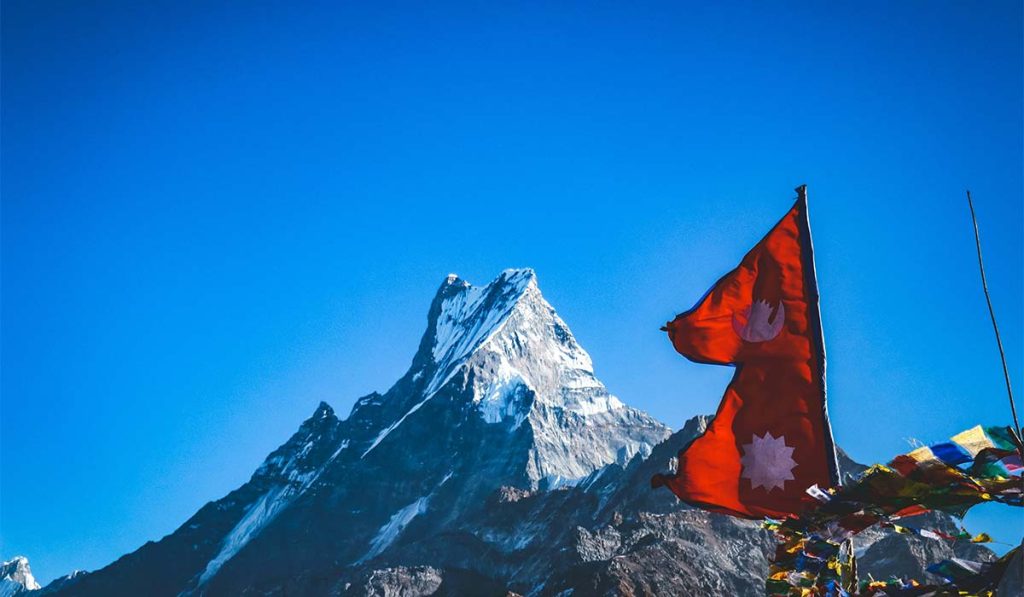
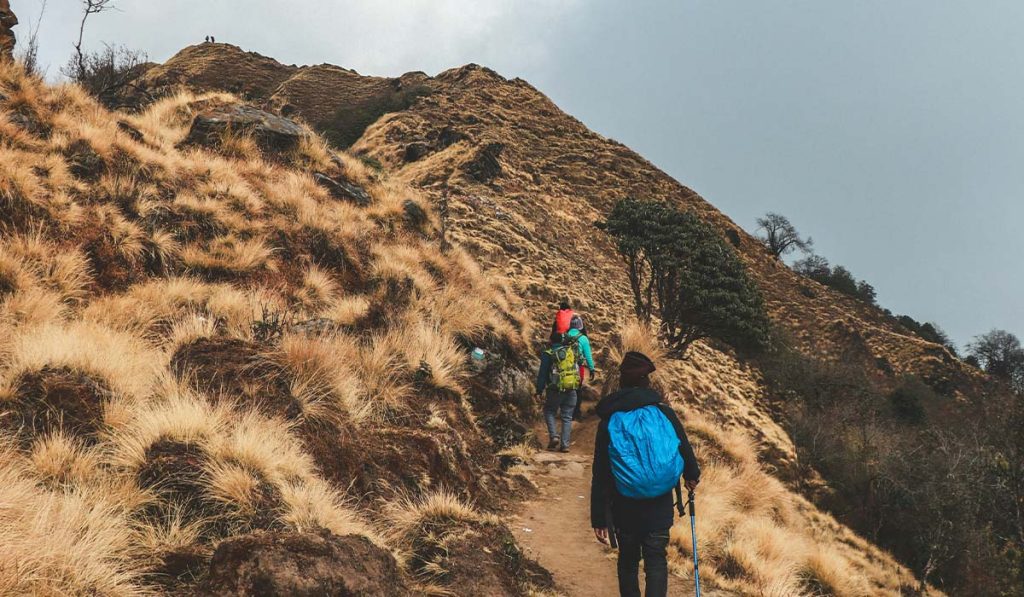
A lot of trekkers underestimate Mardi Himal because the itinerary is shorter than Annapurna Base Camp or Everest routes. That is the mistake. The Mardi Trek altitude profile and elevation gain matter more than many first-time trekkers expect, because the trail climbs quickly from low hill villages into high alpine terrain in just a few days.
This trek is not the highest in Nepal, but it is one of the more noticeably steep short treks in the Annapurna region. You are not dealing with extreme expedition altitude, yet you are gaining height fast enough that pacing, hydration, and route planning make a real difference. If you understand where the major climbs happen, the trek becomes much easier to prepare for.
Mardi Trek altitude profile and elevation gain at a glance
Most standard Mardi Himal Trek itineraries begin after driving from Pokhara to Kande or Phedi and then walking through Australian Camp, Pothana, or Deurali before joining the forested ridge trail. From there, the route climbs steadily through Forest Camp, Low Camp, High Camp, and finally toward Mardi Himal View Point or Mardi Himal Base Camp.
A common altitude pattern looks like this: Kande sits at around 1,770 meters, Pothana near 1,950 meters, Forest Camp around 2,500 to 2,600 meters, Low Camp about 2,970 to 3,050 meters, Badal Danda around 3,210 meters, High Camp near 3,550 to 3,580 meters, Mardi Himal View Point roughly 4,200 meters, and Mardi Himal Base Camp around 4,500 meters depending on the exact turnaround point and GPS reading.
That means the overall elevation gain from the roadhead to base camp is usually around 2,700 meters. If you begin lower or include extra ups and downs from Phedi, the total climbing effort can feel even greater than the net gain suggests.
This is why Mardi can surprise fit hikers. On paper, it is shorter than many famous Nepal treks. On the trail, it asks you to climb hard over a compressed number of days.
Day-by-day altitude profile
The altitude profile is easiest to understand when you break it into the normal trekking stages. Exact overnight stops vary slightly by itinerary, but the climbing pattern stays similar.
Day 1: Pokhara to Kande, trek to Pothana or Deurali
The first walking day is relatively gentle. If you start from Kande at around 1,770 meters and sleep at Pothana or Deurali between roughly 1,950 and 2,100 meters, the sleeping altitude gain is modest. This day is useful for warming up the legs rather than testing altitude tolerance.
If you begin via Phedi and Dhampus instead, the walking can feel steeper early on, but altitude is still not the main issue. It is more about adjusting to stone steps, humidity, and carrying a pack.
Day 2: Deurali to Forest Camp
This is where the trek begins to feel more serious. The route enters dense rhododendron and oak forest, and you climb to around 2,500 to 2,600 meters. The altitude gain is not dangerous for most trekkers, but the trail can feel steady and energy-consuming.
Because much of the day is under tree cover, some trekkers do not notice how much elevation they are gaining. The climb is gradual in profile, but it keeps going.
Day 3: Forest Camp to Low Camp
This is one of the more important transitions on the trek. Moving from around 2,550 meters to around 3,000 meters brings you into the range where some trekkers begin to notice lighter sleep, reduced appetite, or mild shortness of breath on climbs.
The elevation gain is only around 400 to 500 meters for the night, which is reasonable. Still, this is often the day when people first realize Mardi is not just a scenic ridge walk.
Day 4: Low Camp to High Camp
This is usually the most significant overnight altitude jump. You move from around 3,000 meters to about 3,550 meters. At the same time, the landscape opens, trees thin out, and exposure to wind and weather increases.
This stage matters because you are now sleeping above 3,500 meters after several days of consistent ascent. For healthy trekkers with proper pacing, this is normally manageable. But if the itinerary is rushed or if someone has come straight from sea level with no prior hiking days, this is where fatigue can build quickly.
Day 5: High Camp to View Point or Base Camp and back
This is the biggest single-day climb of the trek. From High Camp at roughly 3,550 meters, you ascend to Mardi Himal View Point near 4,200 meters or continue to Mardi Himal Base Camp around 4,500 meters. Then you descend back to High Camp or lower.
The net elevation gain for the summit push is around 650 meters to the viewpoint and close to 950 meters if going to base camp. That is a demanding morning, especially because the trail is steep, loose in places, and exposed. The altitude is still moderate by Himalayan standards, but the effort feels real because you are climbing from an already high sleeping point.
This is the day when people feel the difference between being generally fit and being mountain-fit.
Where the elevation gain feels hardest
The steepest feeling parts of the Mardi route are not always the highest parts. Forest Camp to Low Camp can feel humid and leg-heavy. Low Camp to High Camp is where altitude starts to combine with terrain. High Camp to View Point or Base Camp is where both the thin air and the gradient become obvious.
Another factor is the return descent. Many trekkers focus only on climbing, but the knees often suffer more on the long drop back down, especially if descending from High Camp to Sidhing or all the way toward Lumre in one push. The total elevation loss on descent is large, and tired legs make footing less stable.
Is the altitude gain too fast?
For a short trek, Mardi climbs quickly, but it is still manageable for most reasonably fit trekkers. The key issue is not the maximum altitude alone. It is the rate of ascent.
Sleeping around 3,500 meters on the fourth night is acceptable for many people, especially if they have already trekked elsewhere in Nepal or are naturally good at handling elevation. But there is no guarantee. Some trekkers feel completely strong at High Camp, while others develop headaches or poor sleep.
If your itinerary reaches High Camp too quickly and pushes to base camp the next morning without flexibility, the trek becomes less comfortable and less safe. A slightly slower plan, or even an extra acclimatization afternoon around Low Camp or High Camp, helps many trekkers more than they expect.
How to prepare for the Mardi altitude profile
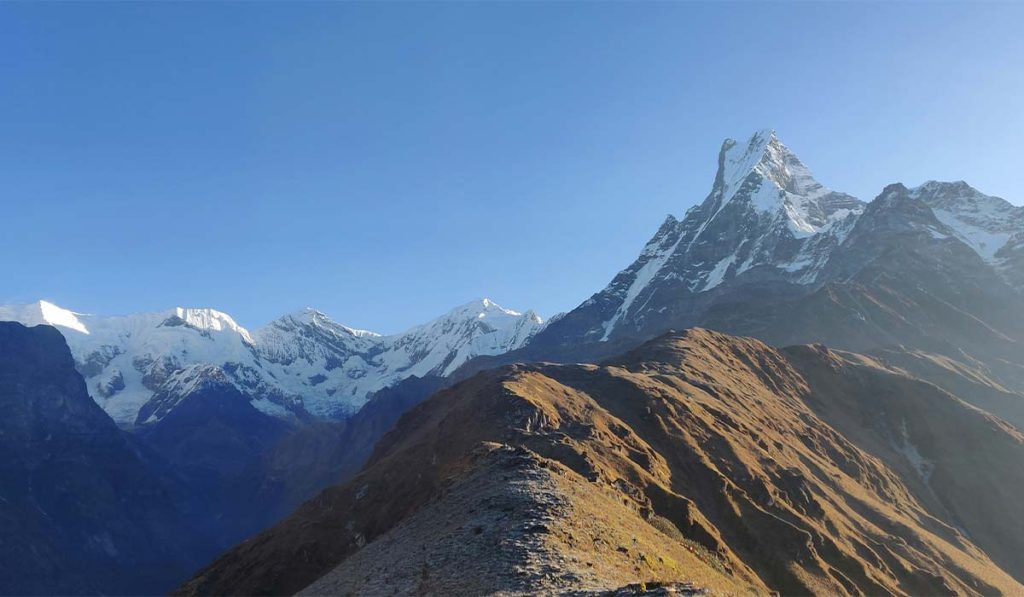
The best preparation is not complicated. You need cardiovascular fitness, leg endurance, and realistic expectations about uphill walking. Training with stairs, hill repeats, or long hikes with a loaded daypack is more useful than focusing only on gym strength.
Altitude preparation is partly physical and partly behavioral. Walk slowly, drink enough water, avoid racing the early stages, and eat even when appetite drops a little at higher camps. Many altitude problems on Mardi happen because trekkers feel strong on day one and two, then push too hard before High Camp.
If you are choosing between itineraries, the better one is usually the route that spreads the ascent sensibly rather than the one that reaches base camp fastest. Faster is not always better in the mountains.
Does the trek suit beginners?
Yes, many beginners complete Mardi Himal successfully. But beginner-friendly does not mean effortless. A first-time trekker with decent fitness and a sensible itinerary can do well here. A person with little hiking experience, no uphill training, and a rushed schedule may find the elevation gain tougher than expected.
Compared with Annapurna Base Camp, Mardi is shorter and often feels more direct. It is more demanding at higher elevations than the Poon Hill Trek. Compared with Everest Base Camp, the altitude is lower, but the compressed ascent can still feel intense because there are fewer acclimatization days built into the standard route.
Practical altitude advice on the trail
Watch how you feel from Low Camp onward. Mild tiredness is normal. Mild headache can happen. But persistent headache, nausea, unusual dizziness, loss of appetite, or worsening fatigue should not be ignored. The advantage on Mardi is that descent is relatively straightforward if needed.
Start the High Camp to View Point or Base Camp day early. Morning weather is usually more stable, and climbing slowly in the cold is better than pushing hard after the sun is already high. Trekking poles help on both the ascent and descent, especially on the dusty or rocky upper trail.
If weather turns poor, do not get too fixated on reaching base camp. The viewpoint already gives excellent mountain views in good conditions, and turning around there is often the smarter choice. Mountains reward judgment more than stubbornness.
For most trekkers, the Mardi Trek altitude profile and elevation gain make the route feel adventurous without pushing into extreme altitude territory. That balance is one reason the trek has become so popular. It gives you a real sense of climbing into the high Himalaya, but with proper pacing and good planning, it remains accessible. If you respect the ascent instead of dismissing it as a short trek, you are much more likely to enjoy every stage of the trail.