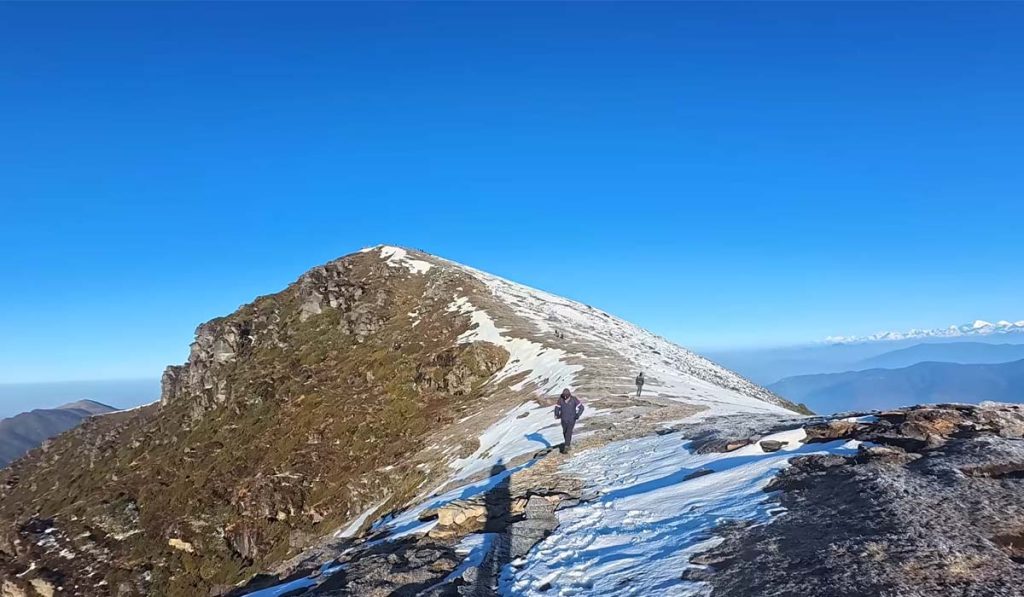
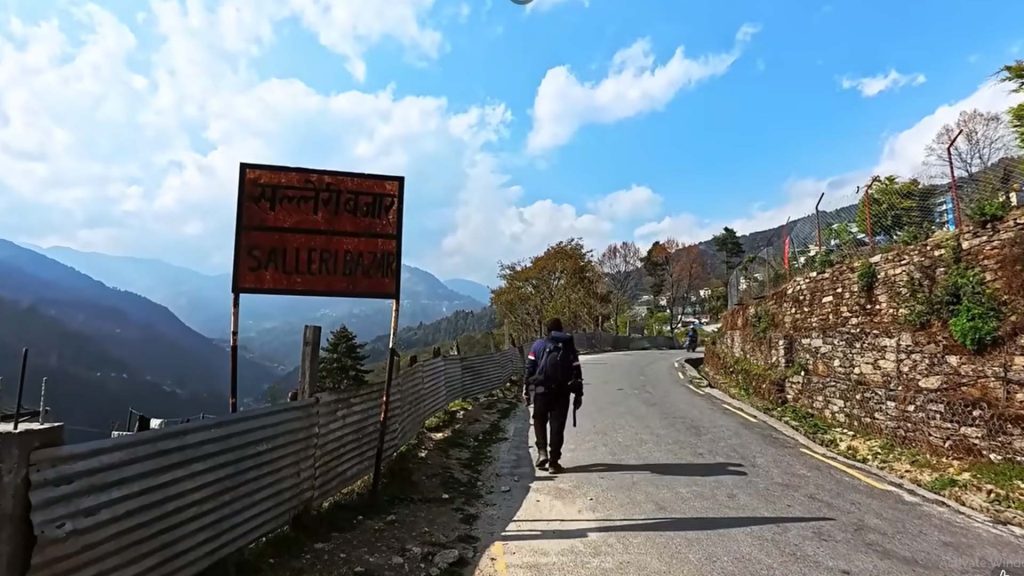
Most trekkers looking toward the Everest region think first about Everest Base Camp. That makes sense, but it also means many people miss a quieter and more balanced route. If you are asking, Why Choose the Pikey Peak Trek?, the short answer is simple: it gives you big Himalayan views, rich local culture, fewer crowds, and a shorter, lower-altitude trekking experience than many classic routes in Nepal.
Pikey Peak is one of those treks that often surprises people. It does not have the fame of Everest Base Camp or the size of the Annapurna Circuit, yet it offers something many trekkers actually want – a scenic, manageable, and rewarding journey without the long logistics and heavy traffic of Nepal’s most commercial trails.
Why Choose the Pikey Peak Trek Over Better-Known Routes?
The strongest reason is value. Pikey Peak gives you an impressive mountain experience in fewer days and usually with less physical strain than higher, longer treks. On a clear morning from the Pikey Peak viewpoint, you can see a wide Himalayan panorama that includes Everest, Makalu, Kanchenjunga, Lhotse, and other major peaks. Very few shorter treks offer that kind of reward.
Another reason is the rhythm of the route. This trek moves through villages, forests, ridgelines, and Buddhist cultural landscapes in a way that feels varied but not rushed. You are not walking only to reach a famous endpoint. The trail itself is the attraction.
For many travelers, that matters more than they expect. A trek becomes more memorable when each day has something different – sunrise viewpoints, yak pastures, prayer flags on exposed ridges, old monasteries, and the slower pace of lower Solu villages.
The mountain views are much bigger than the trek’s profile suggests
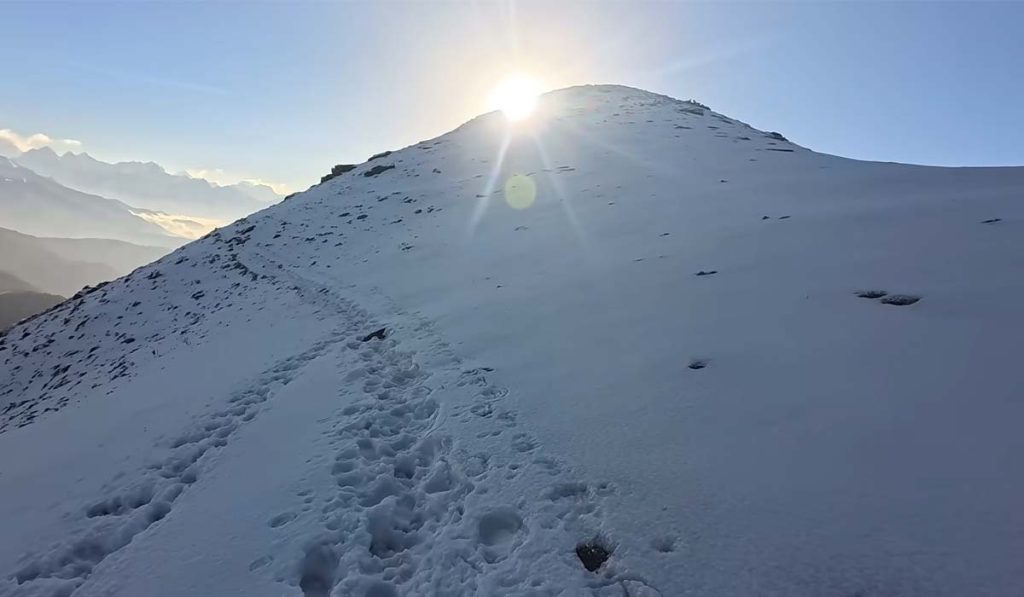
Pikey Peak stands at around 4,065 meters, which is high enough for commanding views but lower than many classic high-altitude trekking objectives. That lower elevation changes the experience in a good way for many people. You still feel the scale of the Himalayas, but the route is often more accessible to trekkers who do not want to push to extreme altitude.
The sunrise from Pikey Peak is the highlight. On a good weather day, the horizon opens wide across eastern and central Nepal. Everest is not close in the same way it is from the Khumbu, but it is clearly part of the show. The perspective is broader, and many trekkers find it more peaceful because they are sharing the view with far fewer people.
This is one of the main practical advantages of the trek. You get a genuine Himalayan viewpoint without committing to a long expedition-style itinerary.
It is a strong choice for trekkers who want fewer crowds
Crowds shape the feel of a trek more than many first-time visitors realize. On popular routes, the trail can feel busy in peak season, and tea houses may become packed. Pikey Peak is quieter. That gives you more space on the trail, a calmer overnight experience, and often more personal interaction with local hosts.
If you enjoy walking through mountain landscapes without a line of trekkers ahead of you, this route stands out. It is not remote in the way restricted-area treks are remote, but it feels less commercial and more grounded.
That quieter atmosphere also suits photographers, experienced hikers who dislike congested trails, and travelers who want a more reflective mountain journey. You still get tea house trekking comfort, but with less noise around it.
The cultural side of the trek is one of its real strengths
Pikey Peak lies in the lower Everest or Solu area, where Sherpa and other hill communities shape the character of the trail. This matters because the trek is not only about a viewpoint. It is also about moving through lived-in landscapes with strong Buddhist traditions, local farming life, and older village patterns that feel different from the busier upper Everest routes.
Monasteries, mani walls, prayer flags, and chortens are part of the experience, but the cultural value is deeper than landmarks. You see how mountain communities live outside the busiest trekking corridor. For travelers who want a more complete understanding of Himalayan life, this adds real depth.
In practical terms, it also means the trek appeals to people who want both scenery and cultural texture. If your ideal trek includes village interaction and not only mountain statistics, Pikey Peak is a smart choice.
Pikey Peak is more achievable for many trekkers
Not every trekker wants to test their limit at high altitude. Some have limited holiday time. Some are fit but new to trekking in Nepal. Some simply want a rewarding route with lower logistical pressure. Pikey Peak fits that middle ground very well.
The trek is commonly completed in about 5 to 8 days depending on the starting point, route design, and transport plan. That makes it easier for travelers who cannot commit to a two-week schedule. It can also work well as a first Himalayan trek because the days are generally more moderate than on longer high-altitude routes, though you still need solid preparation.
Lower does not mean easy in every season or for every person. There are still steep sections, cold mornings, and altitude to consider. But compared with Everest Base Camp, Gokyo, or other longer Himalayan routes, the demands are more manageable for a broad range of trekkers.
Why choose the Pikey Peak Trek if altitude is a concern?
Because it lowers the risk profile without removing the mountain feeling.
Altitude sickness can affect anyone, regardless of fitness. On routes that go well above 5,000 meters, acclimatization becomes a major planning factor. Pikey Peak still requires sensible pacing and awareness, but its lower maximum elevation makes it a more comfortable option for trekkers who want to reduce altitude exposure.
That is especially relevant for first-time Nepal trekkers, older travelers, families with active older children, or anyone who has previously struggled at altitude. You should still prepare properly and avoid underestimating the route, but the margin is generally more forgiving.
The logistics are simpler than many Everest-region treks
Another reason to choose this trek is that it avoids some of the complications tied to flights into Lukla. Depending on the itinerary, Pikey Peak is often reached by road from Kathmandu to trailheads such as Dhap or Jhapre. Road travel takes time, but it can be more predictable in some seasons than mountain flights, which are often affected by weather.
For travelers trying to control both budget and schedule, this can be a major benefit. Fewer flight dependencies can mean less stress and fewer last-minute changes. It also makes the trek attractive for people who are uneasy about short mountain airstrips or who prefer overland access.
That said, road conditions in Nepal can be rough, and travel times may be longer than expected. Simpler does not always mean more comfortable. It means fewer moving parts in the itinerary.
It offers good value for money
Pikey Peak is often more affordable than longer, more famous treks. The shorter duration reduces guide, porter, food, and accommodation costs. The absence of domestic flights on many itineraries can also help keep the budget lower.
For trekkers trying to choose between experience quality and trip cost, this route often hits a sweet spot. You are not paying premium prices only for a famous name. You are paying for a well-rounded trekking experience with strong scenery and culture.
That makes it especially attractive for independent-minded travelers, couples, and small groups who want a meaningful Himalayan trek without stretching into a bigger expedition budget.
Who is the Pikey Peak Trek best for?
This route suits several types of trekkers particularly well. It is a good match for first-time trekkers in Nepal who want mountain views without a very high-altitude commitment. It is also ideal for repeat visitors who have already done the headline routes and now want a quieter trail.
It works well for travelers with about a week available, people interested in Sherpa culture beyond the busier Khumbu corridor, and trekkers who value sunrise viewpoints and peaceful tea house walking. It can even be a smart training trek before attempting a longer route later.
The trek may be less suitable if your main goal is reaching a famous high-altitude landmark like Everest Base Camp, crossing technical passes, or spending many days deep in alpine terrain. In that case, another route may fit your expectations better.
The best reason to choose it
The Pikey Peak Trek feels honest. It does not rely on a famous finish line to justify the effort. The views are exceptional, the days are achievable, the cultural setting is rich, and the route gives back more than its modest profile suggests.
For trekkers who want a Nepal experience that is scenic, practical, and less crowded, this trek deserves serious attention. Sometimes the best route is not the one everyone talks about. It is the one that gives you the mountains, the villages, and the quiet space to actually enjoy them.