Many trekkers ask, Is the Pikey Peak Trek Safe? The short answer is yes – for most trekkers, it is a safe trek when planned properly. Pikey Peak is considered one of the more accessible Himalayan treks in Nepal, with moderate altitude, established village routes, and lower technical risk than high mountain passes or remote expedition trails. But safe does not mean risk-free. Weather, altitude, trail conditions, transport, and personal fitness still matter.
That is the honest way to look at Pikey Peak. It is a beautiful trek with outstanding Everest views, rich Sherpa culture, and a quieter trail than Everest Base Camp. It is also a trek where small planning mistakes can turn an easy few days into a difficult experience. If you understand the real risks before you go, Pikey Peak becomes much more manageable.
Is the Pikey Peak Trek Safe in General?
For most healthy trekkers with basic preparation, Pikey Peak is a safe trekking route. It does not involve climbing equipment, glacier travel, exposed ladders, or dangerous high passes. The trail passes through settled areas with lodges and local communities, which makes logistics easier and emergency support more available than in more remote regions.
One reason many trekkers feel comfortable on this route is the altitude profile. Pikey Peak sits at around 4,065 meters, which is high enough to require caution but much lower than many famous treks in Nepal. That lower altitude reduces the likelihood of serious altitude illness compared with routes that push beyond 5,000 meters.
Still, safety depends less on the trail itself and more on how you approach it. A rushed itinerary, poor weather judgment, weak gear, or underestimating the cold can quickly change the experience.
The Main Safety Risks on the Pikey Peak Trek
The biggest risk on this trek is altitude. Even though Pikey Peak is not extremely high by Himalayan standards, some trekkers come from sea level and gain elevation quickly. Mild symptoms such as headache, poor sleep, or loss of appetite can happen, especially if you ascend too fast or ignore hydration.
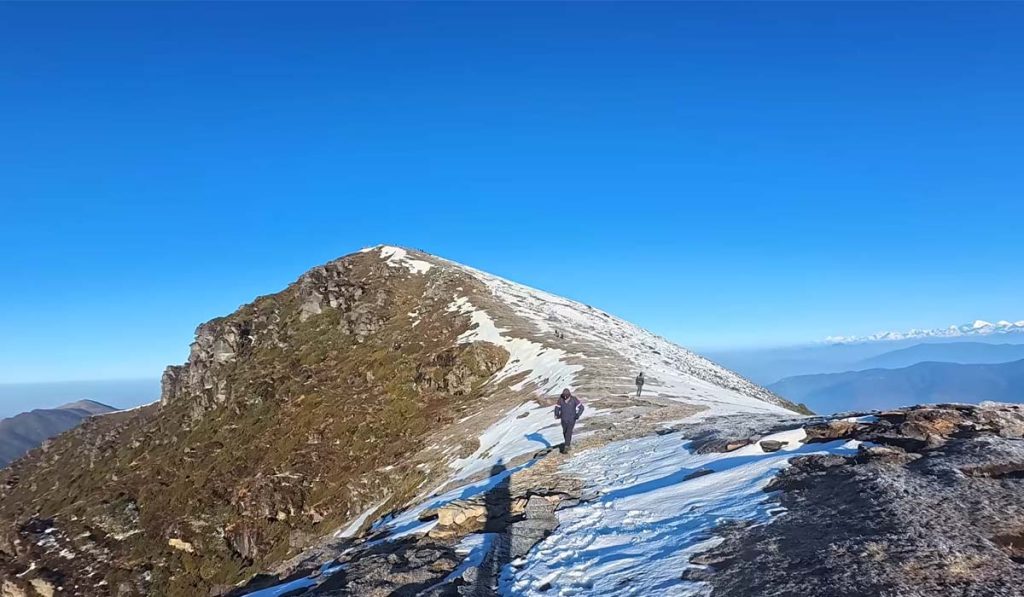
The weather is the second major factor. Conditions can change quickly, particularly near the summit viewpoint. Morning views are often clear, but clouds, wind, rain, or even snow can build later in the day. In winter and early spring, cold temperatures and icy sections can make the trail slower and more slippery.
Trail conditions are another variable. Most of the route is straightforward, but stone steps, muddy forest sections, and rough downhill stretches can cause slips or knee strain. During the monsoon, leeches, slick paths, and poor visibility add extra challenges. During winter, frozen ground and snow can affect footing.
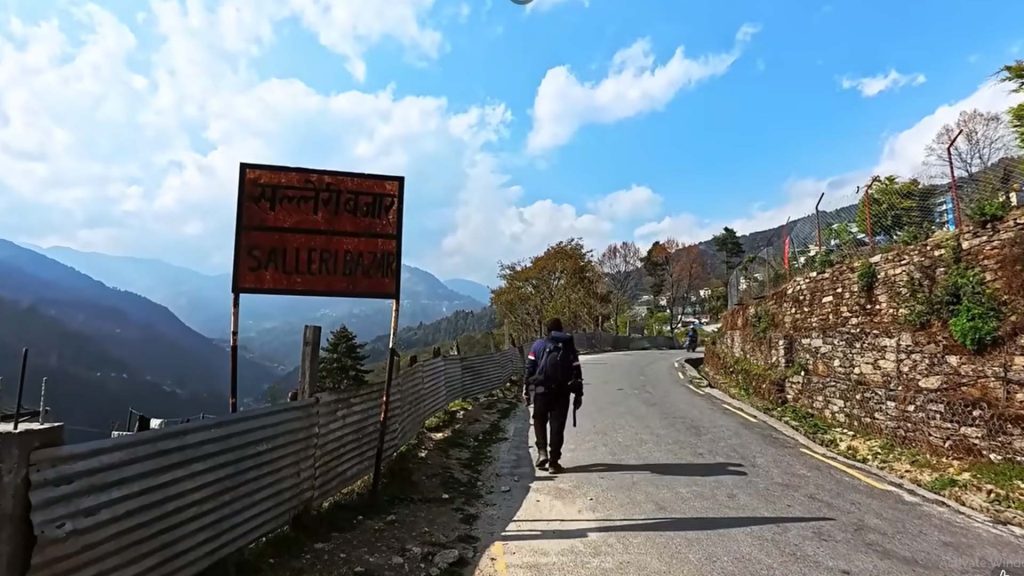
Transport is sometimes overlooked when discussing trekking safety. Reaching the Pikey Peak area usually involves a long road journey, and road conditions in Nepal can be rough depending on the season. For many travelers, the drive is less comfortable and potentially more stressful than the trek itself.
Altitude Safety on Pikey Peak
Altitude deserves its own attention because it is the risk that many first-time trekkers misunderstand. At just over 4,000 meters, Pikey Peak is high enough for acute mountain sickness to be possible. It is not common for well-paced trekkers, but it should never be dismissed.
The good news is that the route usually allows a gradual ascent if your itinerary is planned sensibly. Most trekkers sleep in lower villages before the summit push, which helps the body adjust. Compared with treks that sleep above 4,500 meters for multiple nights, Pikey Peak is generally gentler.
Symptoms to watch for include headache, nausea, unusual fatigue, dizziness, and shortness of breath beyond normal exertion. If symptoms worsen with ascent, that is the key warning sign. The safest response is to stop ascending and, if needed, descend. No summit viewpoint is worth pushing through clear altitude symptoms.
If you have never trekked at altitude before, this route can still be a good introduction, but only if you respect the pace. Walk slowly, drink enough water, avoid alcohol during the trek, and do not treat the summit day like a race.
Is the Pikey Peak Trek Safe for Beginners?
Yes, many beginners can do this trek safely. In fact, Pikey Peak is often a smart choice for trekkers who want a real Himalayan experience without going straight into a long, high-altitude route. The days are manageable, accommodation is usually available in village lodges, and the route does not demand technical mountaineering skills.
That said, beginner-friendly does not mean effortless. You still need decent walking fitness, especially for uphill days and long descents. A new trekker who prepares with regular hiking, stair training, or consistent cardio will usually have a much safer and more enjoyable experience than someone arriving unprepared.
Beginners should also be realistic about comfort. Lodge conditions are simpler than in cities, the weather can be cold, and the trail can feel tiring even when the distance looks moderate on paper. Safety improves when expectations are realistic.
Seasonal Safety: When Is Pikey Peak Safer?
The safest seasons for the Pikey Peak Trek are generally spring and autumn. These months usually offer the best balance of stable weather, clear mountain views, and manageable trail conditions. Visibility is often strongest in the mornings, and the route is easier to navigate when skies are clear.
Autumn, especially from late September to November, is often the most reliable period. The air is usually crisp, the trails are in good condition after the monsoon clears, and temperatures are cooler but not too severe for most trekkers.
Spring is also a strong season, particularly from March to May. Forests and hillsides are attractive, and temperatures are comfortable at lower elevations. However, occasional haze or afternoon cloud buildup can affect views.
Winter trekking is possible, and Pikey Peak in winter can be very rewarding, but safety depends more on conditions. Snow, ice, and colder nights increase difficulty. Monsoon is the least favorable season from a safety perspective because trails can be muddy, slippery, and less predictable.
Going Independently vs With a Guide
Pikey Peak is one of the treks that experienced hikers may consider doing independently. The route is not among Nepal’s most technically difficult, and villages along the way provide a degree of support. But there is still a strong argument for trekking with a guide, especially if it is your first trek in Nepal.
A knowledgeable local guide improves safety in practical ways. They help manage pace, recognize early altitude issues, adapt plans if weather changes, and arrange lodging when conditions become busy or unpredictable. They also reduce route-finding stress and help in communication with local teahouses and transport providers.
For solo trekkers, the route is generally safe, but solo travel always reduces your margin for error. A twisted ankle, navigation mistake, or illness is easier to manage when someone is with you. If your goal is the safest possible experience rather than the most independent one, going with a guide is the stronger option.
Practical Ways to Make the Pikey Peak Trek Safer
Most safety problems on this trek are preventable. Good decisions before the trek matter more than heroics on the trail. Build in enough days, especially if you are coming directly from a low altitude. Carry warm layers, a waterproof outer shell, proper trekking shoes, and basic first aid. Start walking early each day so you are less exposed to afternoon weather changes.
Hydration, pacing, and rest are simple but powerful. Trekkers often get into trouble not because the route is dangerous, but because they push too hard on the first two days. A steady pace almost always works better in Nepal than a fast one.
It is also wise to check road and weather conditions before departure. Local advice matters here. Conditions that look fine online can be very different in the field, especially after rain or snowfall.
Travel insurance with high-altitude trekking coverage is another important part of safe planning. Even on a moderate route like Pikey Peak, evacuation support can matter if health issues arise.
So, Is the Pikey Peak Trek Safe?
Yes, the Pikey Peak Trek is safe for most trekkers who prepare well, choose the right season, and respect altitude and weather. It is safer than many of Nepal’s higher and more remote treks, which is one reason it appeals to both beginners and experienced hikers looking for a quieter route.
The key is to avoid treating it as a casual hill walk just because it is shorter and less famous. Pikey Peak is still a Himalayan trek. If you approach it with proper gear, a sensible itinerary, and attention to conditions, it offers one of the more rewarding and manageable trekking experiences in Nepal. For trekkers who want big mountain views without the higher risk of extreme altitude, it remains a very solid choice.