A lot of trekkers ask this only after they have booked flights, permits, and gear. Is Travel Insurance Required for Pikey Peak trek? The short answer is no, not as a strict legal requirement in the same way some restricted-area treks may involve tighter documentation checks. But going without it is still a risk most trekkers should not take.
Pikey Peak is often seen as a lower-altitude, quieter alternative to the Everest region’s busier trails. That can make it feel less serious on paper. In the field, though, weather can shift fast, trails can be slippery, transport plans can change, and medical support is limited once you are deep into the route. Insurance is not just a box to tick. It is part of basic trek planning.
Is travel insurance required for Pikey Peak Trek?
For most trekkers, travel insurance is not officially mandatory to obtain a permit for the Pikey Peak Trek. You can generally arrange the trek without being asked to show a policy at every step. That said, many trekking companies strongly recommend it, and responsible trekkers should treat it as essential.
This difference matters. “Not legally required” does not mean “safe to skip.” In Nepal, even on moderate treks, a medical issue or evacuation can become expensive very quickly. If you need emergency transport, treatment, extra accommodation, or changes to flights, your out-of-pocket cost can rise far beyond the price of the insurance itself.
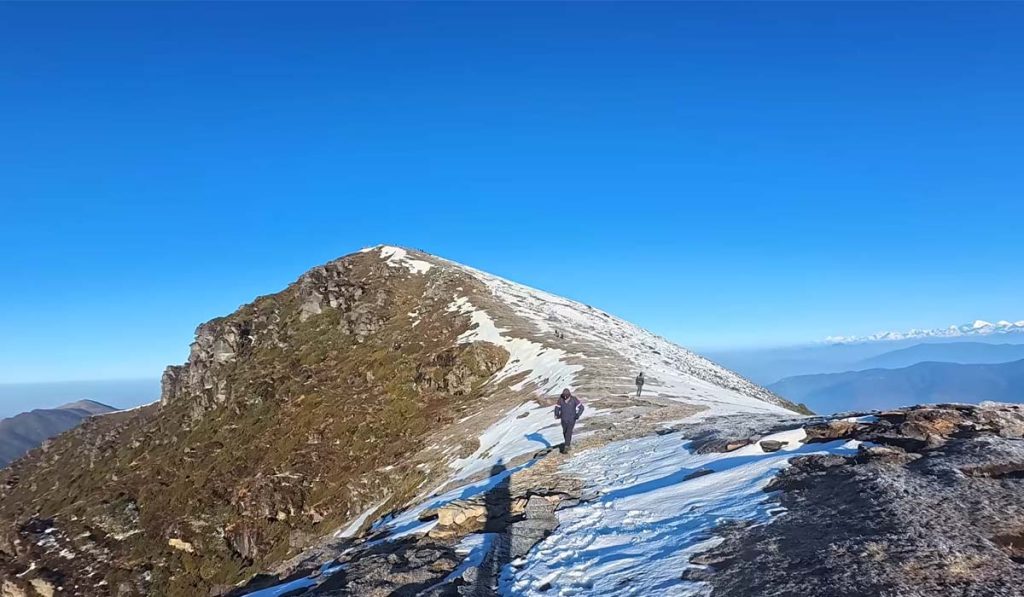
Pikey Peak usually ranges around 4,000 meters at its highest point, depending on your exact itinerary and viewpoint stop. That altitude is lower than many major Himalayan treks, but it is still high enough for altitude-related symptoms, especially if your ascent is rushed or your body does not adapt well.
Why insurance still matters on this trek
Pikey Peak is often described as suitable for beginners with decent fitness, and that is fair. The trail is manageable for many first-time Himalayan trekkers. But manageable does not mean risk-free.
The route passes through remote hill and mountain settlements where access to advanced medical care is limited. If you twist a knee on a steep descent, develop a chest infection, face dehydration, or show signs of altitude sickness, local treatment options may be basic. In a more serious situation, evacuation may be needed.
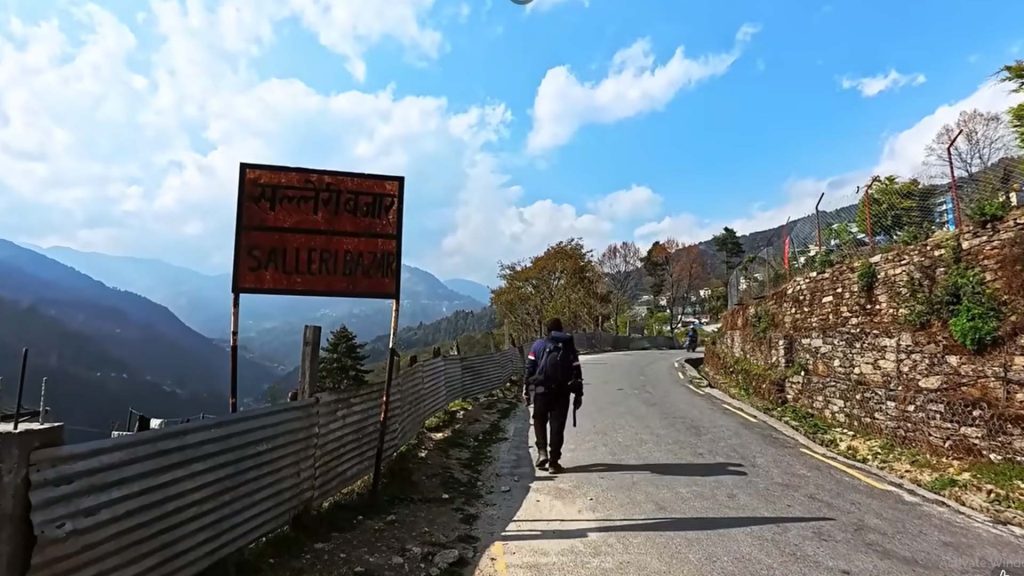
Transport can also be unpredictable. Road access to the trailhead depends on conditions, and weather in the hills can affect movement plans. If delays force you to extend your stay, change your schedule, or miss onward travel, insurance with trip disruption cover can help reduce the financial damage.
There is also the simple reality of trekking in Nepal: conditions change faster than many travelers expect. A dry trail can become muddy after rain. Cold evenings can affect people who have packed too lightly. Even experienced hikers can misstep, get sick, or need help.
What your travel insurance should cover
Not every travel insurance policy is suitable for trekking in Nepal. This is where many trekkers make mistakes. They buy a general travel policy, assume trekking is included, and only discover the gap when they need to claim.
For Pikey Peak, your policy should clearly cover trekking at the maximum altitude of your route. Always check the wording. Some policies exclude trekking above a certain elevation, and others cover hiking only if it is below 3,000 or 4,000 meters. If your route reaches above the policy limit, that is a problem.
A suitable policy should also include emergency medical treatment and evacuation. Helicopter evacuation is the big issue most trekkers think about, and for good reason. If one is needed, the cost can be very high. Even if your chance of needing a helicopter is low on Pikey Peak compared with more technical routes, the financial risk is still real.
Look closely at these areas when comparing policies:
- Trekking coverage up to your route’s maximum altitude
- Emergency medical expenses
- Helicopter evacuation and rescue
- Trip cancellation or interruption
- Delayed or lost baggage, especially if your gear is essential
- Personal accident cover
You should also check whether the insurer requires trekking with a licensed guide, sticking to marked routes, or prior approval for rescue coordination. These conditions vary from policy to policy.
Altitude coverage is the detail most people miss
If there is one line in the policy document that deserves your full attention, it is altitude coverage. Pikey Peak is not an extreme expedition, but it is high enough that a low-limit policy may not protect you.
Some insurers use terms like hiking, trekking, mountaineering, or adventure travel in ways that are not always obvious. A policy may say it covers trekking, but then exclude any activity above a stated elevation. Another may cover trekking only when no ropes, technical gear, or guide support are involved. That might be fine for Pikey Peak, but you still need to verify it.
Do not rely on a summary page alone. Read the actual wording and, if needed, ask the provider to confirm in writing that your trek in Nepal is covered up to the highest altitude on your itinerary.
Do guided trekkers need insurance too?
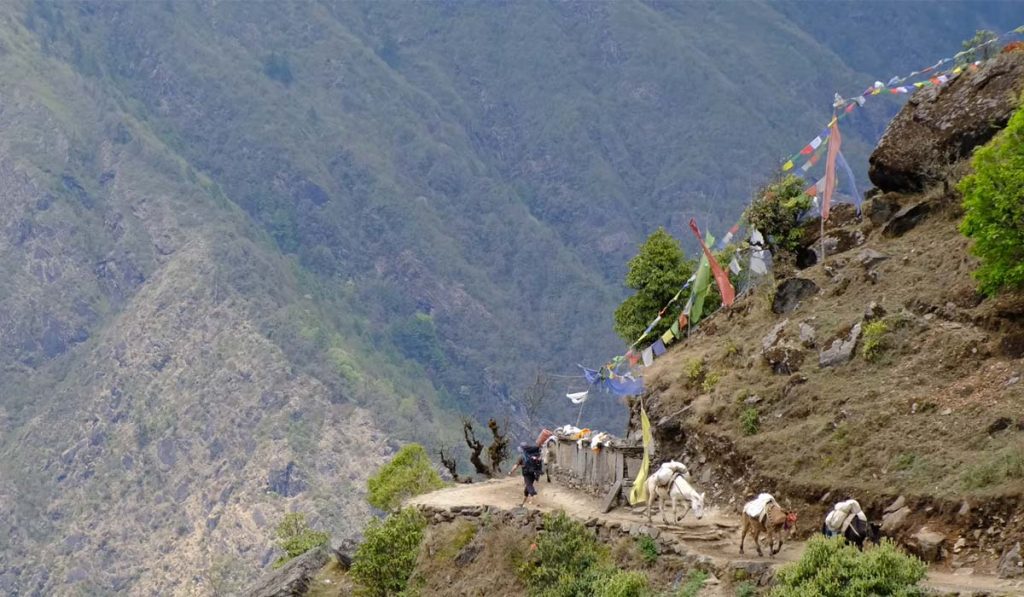
Yes. A guide improves safety, local decision-making, navigation, and response in difficult conditions, but a guide does not replace insurance.
If you are trekking with an organized company, your guide can help assess symptoms, adjust the itinerary, arrange local transport, and coordinate emergency support. That is valuable. But the cost of treatment, evacuation, or travel disruption still needs to be covered by someone, and without insurance that burden usually falls on the trekker.
Good operators may ask for your insurance details before departure. That is not because the trek is unusually dangerous. It is because experienced field teams know problems are easier to manage when coverage is already in place.
Common situations where insurance becomes useful
Many people imagine insurance only matters in a dramatic helicopter rescue. In reality, claims often come from more ordinary problems.
You may develop acute mountain sickness and need to descend early. You may get food poisoning or a respiratory infection and require treatment in Kathmandu afterward. Your duffel may be delayed, forcing you to rent or buy essentials. Landslides or vehicle issues may affect road transport and push your schedule off track.
Even a relatively short trek like Pikey Peak can become more expensive than expected when something small goes wrong. Insurance helps absorb those shocks.
When might someone decide to trek without it?
Some budget trekkers choose to accept the risk, especially if they are doing a shorter route, feel physically strong, and want to reduce costs. Others assume Pikey Peak is low enough and accessible enough that insurance is unnecessary.
That is a personal decision, but it is not one I would call wise. The savings are modest compared with the potential downside. One medical event, one evacuation, or one major itinerary change can cost far more than the policy.
If you are already spending on international flights, Nepal travel, accommodation, permits, guides, and gear, skipping insurance is usually a false economy.
How to choose the right policy for Pikey Peak
Start with the route, not the price. Confirm the highest altitude you will reach, the kind of trekking you will do, and whether you are traveling independently or with a guide. Then compare policies that explicitly match those conditions.
Read the exclusions carefully. Pre-existing medical conditions, risky activities, alcohol-related incidents, and claims made without proper documentation can all create problems later. Make sure you understand the insurer’s emergency contact process as well. In the mountains, delays and confusion during a claim can make a stressful situation worse.
It is also worth carrying both digital and printed copies of your insurance details, emergency numbers, and policy reference. Your guide should have those details too if you are on an organized trek.
The practical answer for trekkers planning Pikey Peak
So, is travel insurance required for Pikey Peak Trek? Usually not as a formal permit requirement. But from a practical trekking and safety perspective, yes, you should have it.
Pikey Peak is one of the most rewarding shorter treks in Nepal, with wide mountain views, welcoming villages, and a quieter trail experience than many famous routes. It is approachable, but it is still a Himalayan trek. That means distance from hospitals, mountain weather, road uncertainty, and real altitude.
The best way to look at insurance is simple: if your trip went off plan tomorrow, could you comfortably pay for the consequences yourself? If the answer is no, buy a policy that properly covers trekking in Nepal and your maximum altitude. That small step gives you more freedom to enjoy the trail for the right reasons.