Most Everest-region treks are known for big crowds, long itineraries, and higher costs. The major highlights of the Pikey Peak Trek are different. This route gives you one of the finest Himalayan viewpoints in Nepal, rich Sherpa culture, and a quieter trail that feels more personal, all without needing a long expedition-style schedule.
For trekkers who want mountain scenery and cultural depth but do not want the busier classic Everest Base Camp route, Pikey Peak stands out. It is especially appealing for people with limited time, first-time trekkers in Nepal, and experienced hikers looking for a less commercial trail. The beauty of this trek is not just the summit viewpoint. It is the way the whole route unfolds through villages, forests, ridgelines, and old monasteries.
Why Pikey Peak stands out
Pikey Peak lies in the lower Everest region, in Solu, and reaches an elevation of around 4,065 meters. That altitude is high enough to deliver wide Himalayan panoramas, but lower than many of Nepal’s more demanding high passes and base camp routes. In practical terms, this usually means a more accessible trek with a lower altitude burden, though proper acclimatization and pacing still matter.
What makes this trail special is the balance. You get outstanding mountain views, but the trek is not only about viewpoints. You also walk through traditional Sherpa settlements, cross rhododendron forests, stay in local teahouses, and experience a quieter side of the Everest region that many trekkers miss. It feels less rushed and less crowded, which is a real advantage if you value trail atmosphere as much as scenery.
Major Highlights of the Pikey Peak Trek
Sunrise views from Pikey Peak
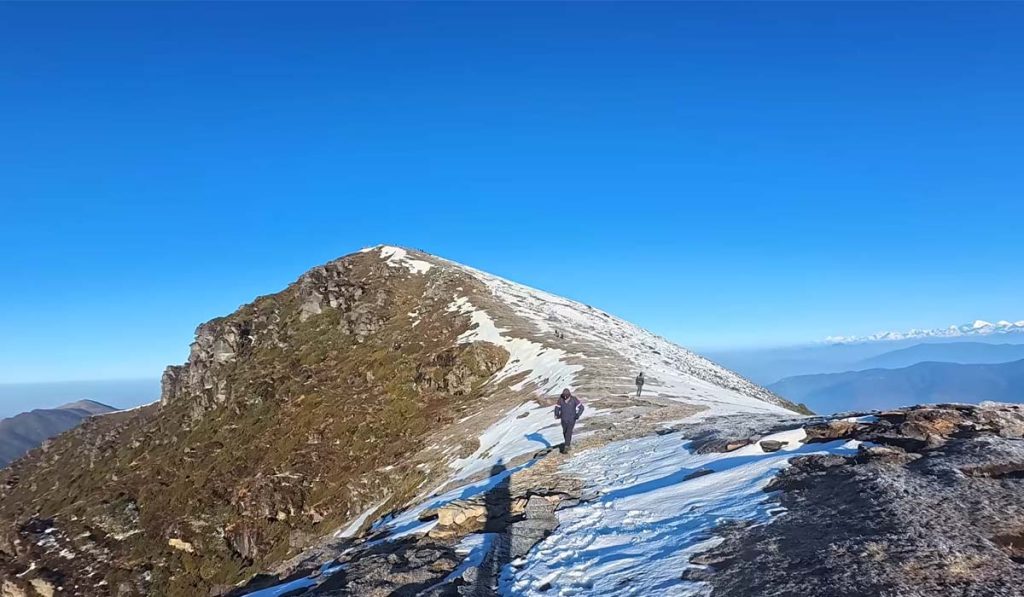
The most famous moment on this trek is the early morning climb to the Pikey Peak viewpoint. On a clear day, the sunrise panorama is remarkable. You can see Everest, Lhotse, Makalu, and Kanchenjunga stretching across the horizon, along with Numbur Himal, Gaurishankar, and other peaks.
This is the kind of viewpoint that surprises even experienced trekkers. The mountains feel close, but the wider landscape is just as impressive. Rolling hills, layered ridges, and scattered villages below create depth in every direction. Because the summit itself is not extremely high compared with other famous viewpoints in Nepal, many trekkers find the reward-to-effort ratio very strong here.
That said, the view depends heavily on the weather. In spring and autumn, conditions are often best, especially in the early morning. If clouds build overnight or the air is hazy, the panorama can be more limited. It is worth keeping expectations realistic and allowing some flexibility in your plan if possible.
A quieter alternative to crowded Everest trails
One of the biggest strengths of Pikey Peak is what it does not have – heavy traffic. If you have researched trekking in the Everest region, you already know that popular routes can become very busy in peak season. Teahouses fill quickly, trails can feel crowded, and flights can add extra logistical stress.
Pikey Peak offers a different experience. The trail is generally quieter, and that changes the feel of the trek in a positive way. You get more space on the path, more peaceful overnight stops, and better opportunities to connect with local people in a natural way. For many trekkers, that quieter rhythm is one of the most memorable parts of the journey.
Rich Sherpa culture and village life
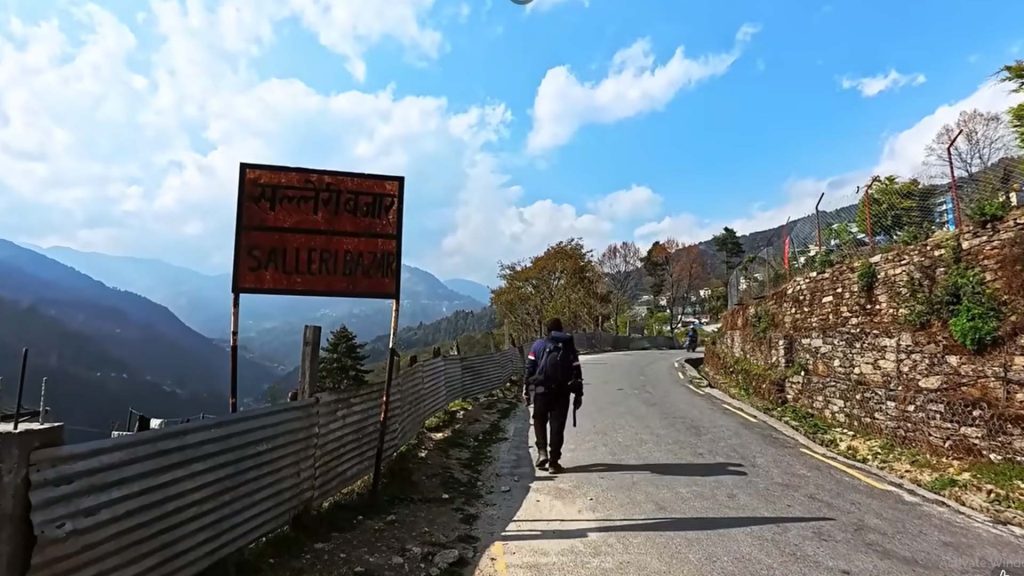
This trek is not only scenic. It is also culturally rewarding. The route passes through traditional Sherpa villages where daily life still follows a strong mountain rhythm shaped by farming, Buddhism, and seasonal movement. Places like Jhapre and nearby settlements give the trek a grounded, lived-in character.
You will see prayer flags, chortens, mani walls, and monasteries along the route. These are not decorative additions for visitors. They are part of the region’s spiritual and social life. Walking through these places helps you understand that the lower Everest region has cultural value far beyond its role as a trekking corridor.
For travelers who want more than a photo-based mountain trip, this is a major reason to choose Pikey Peak. The trail offers a slower and more intimate look at Sherpa communities than some of Nepal’s better-known routes.
Beautiful forests and changing landscapes
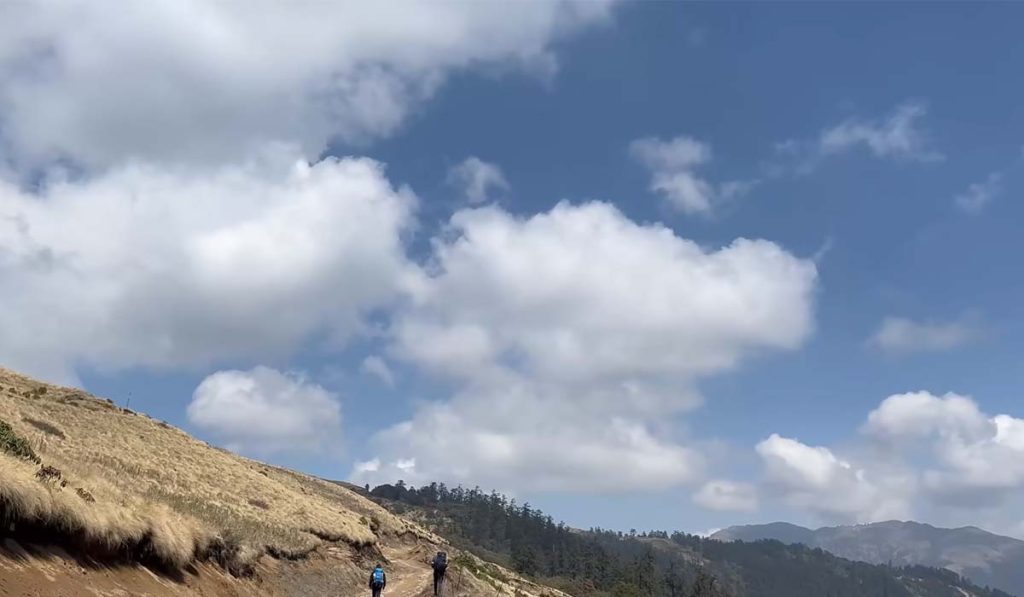
The scenery on the Pikey Peak Trek changes steadily, which keeps the route engaging from day to day. Lower sections often pass through green hills, terraced farmland, and villages. As you gain elevation, you move through forests of rhododendron, pine, and oak, then onto more open ridgelines and alpine terrain.
In spring, rhododendron blooms can add a lot of color to the trail. In autumn, the skies are often clearer and the mountain views sharper. Winter can also be beautiful, especially if you want solitude, but cold conditions and occasional snow can make the trek more demanding.
This variety is one of the route’s underrated strengths. Some treks build toward one dramatic final destination. Pikey Peak gives you visual interest throughout the journey, which makes each walking day feel worthwhile.
Monasteries and spiritual atmosphere
A highlight many trekkers do not expect is the presence of old monasteries and the strong Buddhist atmosphere along the route. Thupten Chholing Monastery, if included in your itinerary or reached by a side trip, is particularly significant. It is one of the important Tibetan Buddhist monasteries in the region and offers a deeper cultural layer to the trek.
Even outside major religious sites, the spiritual landscape is always present. Prayer wheels, carved stones, and hilltop shrines appear regularly. These details shape the mood of the route. They also remind trekkers to move respectfully through places that are important to local communities.
For some people, this spiritual atmosphere becomes as memorable as the mountain views. The trek feels quieter not only because there are fewer trekkers, but because the landscape itself carries a calm, reflective quality.
A trek with good value for time and effort
Pikey Peak is often recommended because it fits well into a shorter Nepal itinerary. Many trekkers can complete it in about 5 to 8 days, depending on the route, road access, and whether extra cultural stops are included. That makes it much easier to plan than longer expeditions in the high Himalayas.
This shorter duration does not mean the experience feels small. In fact, one of the major highlights of the Pikey Peak Trek is how much it offers within a manageable timeframe. You still get Himalayan sunrise views, meaningful village encounters, and a genuine trekking rhythm without needing two full weeks or more.
It also tends to be more budget-friendly than routes that require domestic flights or long, high-altitude itineraries. Road access can change based on conditions, and travel days in Nepal always need some flexibility, but overall, the logistics are comparatively straightforward.
Is the trek suitable for beginners?
For many reasonably fit travelers, yes. Pikey Peak is often a good choice for first-time trekkers in Nepal because the altitude is moderate compared with many famous Himalayan routes, and daily walking hours are generally manageable. You still need to prepare properly, especially if you are not used to uphill walking on uneven trails.
The main challenge is not technical difficulty. It is a steady ascent, cold mornings at higher elevations, and the need to maintain energy over several days. Good pacing, layered clothing, and realistic expectations make a big difference. If you are deciding between a lower-intensity cultural trek and a more demanding high-altitude route, Pikey Peak sits in a very attractive middle ground.
Experienced trekkers also enjoy it for a different reason. It works well as a quieter Everest-region trek when you want strong scenery without committing to the usual busy routes.
Best time to enjoy the highlights
Autumn, from late September to November, is usually the best season for clear skies and stable mountain views. Spring, from March to May, is also excellent, especially if you want rhododendron forests in bloom. Both seasons are reliable for teahouse trekking and generally offer the best chance to enjoy the classic Pikey Peak sunrise.
Winter can be rewarding for solitude and crisp mountain scenery, but cold temperatures and snow can affect comfort and access. Monsoon season brings greener hills and fewer trekkers, but clouds, rain, and slippery trails reduce visibility and can hide the very views many people come for.
If your main goal is panoramic mountains, plan around the weather first. If your main goal is quiet trails and local culture, shoulder-season travel can still work well with the right expectations.
What stays with most trekkers
Long after the trek, many people remember not just the view from the top but the overall feel of the route. Pikey Peak gives you a rare combination in Nepal – Himalayan scale, authentic village life, a calmer trail, and an itinerary that is realistic for many travelers.
That is why it continues to appeal to both new and seasoned trekkers. If you want an Everest-view trek that feels rewarding without feeling overwhelming, Pikey Peak deserves serious attention.