The villages along the Pikey Peak Trek are not just overnight stops. They shape the rhythm of the route, determine where you sleep and eat, and give this lower Everest region trek much of its character. If you are planning Pikey Peak, understanding these villages helps you choose the right itinerary, set realistic walking days, and know what kind of local experience to expect.
Pikey Peak is often described as a quieter alternative to busier Himalayan trails, and that is true. But quiet does not mean empty. The route passes through a chain of Sherpa and hill settlements where daily life still revolves around farming, livestock, monasteries, and seasonal trekking traffic. Some villages are practical trail hubs with multiple lodges. Others are smaller and more atmospheric, offering a closer look at local life in Solu.
Why do the villages matter on this trek
On many treks in Nepal, villages are simply marked as sleeping points on an itinerary. On the Pikey Peak route, they matter more than that. Road access has changed some trail sections, which means your starting point and overnight stops can vary. The weather also affects how far people want to walk in a day, especially outside the main spring and autumn trekking seasons.
That makes village choice important. A well-spaced plan can make the trek feel relaxed and rewarding. A poorly planned one can leave you with long roadside sections, unnecessary altitude gain, or short days that do not add much to the experience.
The main villages and settlements most trekkers encounter include Dhap, Jhapre, Pikey Base Camp, Loding, Junbesi, Taksindu, and Phaplu. Depending on your route, transport, and available time, you may also pass through smaller places such as Japre, Lamjura area settlements, or villages near Salleri and Ringmo. Spelling varies from map to map, so it is normal to see different versions of the same place name.
Main villages along the Pikey Peak Trek
Dhap
Dhap is one of the most common road-head starting points for the trek. For many trekkers, this is where the walking begins after a long drive from Kathmandu. It is more practical than picturesque, but that does not make it unimportant. Dhap has basic lodges, simple meals, and enough infrastructure to prepare for the first trekking day.
Its main value is logistical. Starting from Dhap shortens the approach compared with older itineraries that began from lower villages. If you are limited on time, this matters. The trade-off is that beginning here reduces some of the gradual build-up through the lower hills.
Jhapre
Jhapre is one of the most memorable villages on the route and often a favorite first-night stop. It sits on a hillside with wide views, and on a clear day, you can already see big Himalayan peaks in the distance. The village has a monastery, traditional houses, fields, and a quieter atmosphere than the busier trail hubs found on more commercial routes.
For many trekkers, Jhapre is the point where the Pikey Peak trek starts to feel special. The setting is beautiful, but it is also a useful acclimatization stop. Sleeping here after starting from Dhap creates a sensible first stage and gives your body more time to adjust before heading higher.
Pikey Base Camp
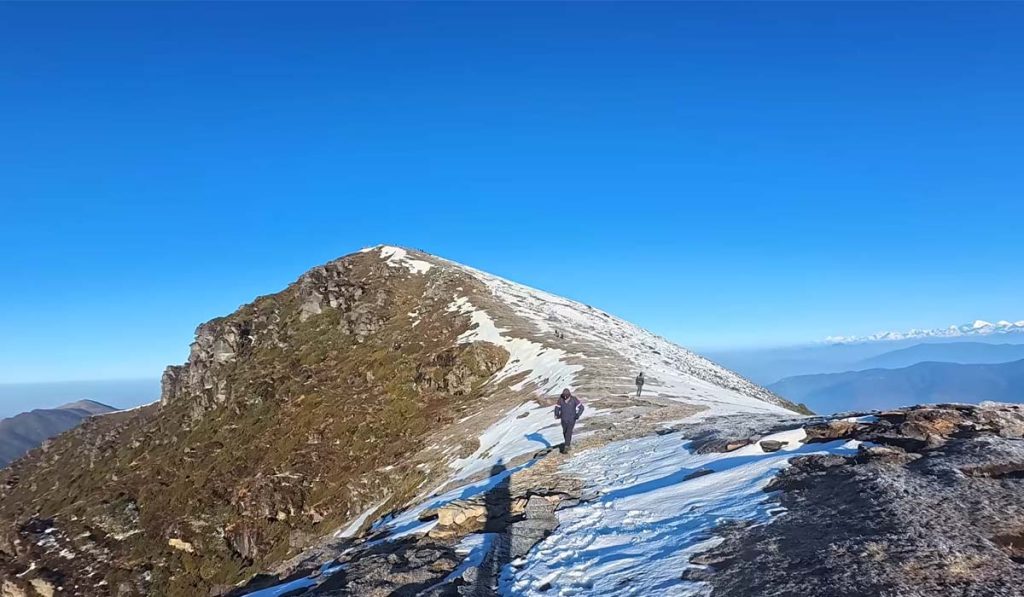
Pikey Base Camp is less of a classic village and more of a seasonal trekking stop with lodges and shelter close to the high point approach. Still, it functions like one in itinerary planning, because many trekkers sleep here before the pre-dawn ascent to Pikey Peak.
This stop is practical rather than cultural. You stay here for the location, not for village life. Conditions are also more exposed than in lower settlements, and the weather can feel much colder and windier. If someone wants more comfort or a lower sleeping altitude, it may make sense to stay below and climb Pikey Peak from a different overnight point, but that usually creates a longer summit day.
Loding
After the summit viewpoint, many itineraries descend toward Loding. This is a quieter settlement with a more local feel and a welcome drop in altitude after the early morning climb. It does not have the same reputation as Junbesi, but it plays an important role in making the route flow naturally.
Loding is a good example of what makes Pikey Peak different from higher-profile treks. You are still in a culturally rich trekking region, but the pace is slower, and village life remains more visible. Accommodation is usually basic but sufficient for trekkers who understand that comfort improves and declines depending on the season and lodge occupancy.
Junbesi
Junbesi is one of the standout villages along the Pikey Peak Trek and, for many people, the cultural heart of the route. It is larger, more historic, and more visually appealing than several of the smaller overnight stops. Set in a broad valley, Junbesi has monasteries, stone houses, farmland, and a strong Sherpa identity.
If your schedule allows, Junbesi is worth more than a quick overnight stay. It is one of the best places on this trek to slow down, visit the monastery area, and experience village life beyond the lodge dining room. Some trekkers also add a side visit to Thupten Chholing, which can deepen the cultural side of the trip, though it does make the itinerary longer.
From a planning perspective, Junbesi is also one of the better lodge stops. Food and accommodation options are usually more reliable here than in smaller settlements. That does not mean luxury, but you can generally expect a more established trekking stop.
Taksindu
Taksindu is often included on itineraries that continue beyond Junbesi toward Phaplu or Salleri. The village is known for its monastery and ridge setting, and it makes a pleasant final high village before the trek transitions toward the road-connected lower area.
This section can feel different from the upper trail. There is more evidence of road development in some areas, and the walking experience is not always as consistently scenic as the climb toward Pikey Peak. Still, Taksindu adds cultural value and gives the route a more complete traverse feel instead of turning the trek into a simple up-and-back plan.
Phaplu and Salleri area
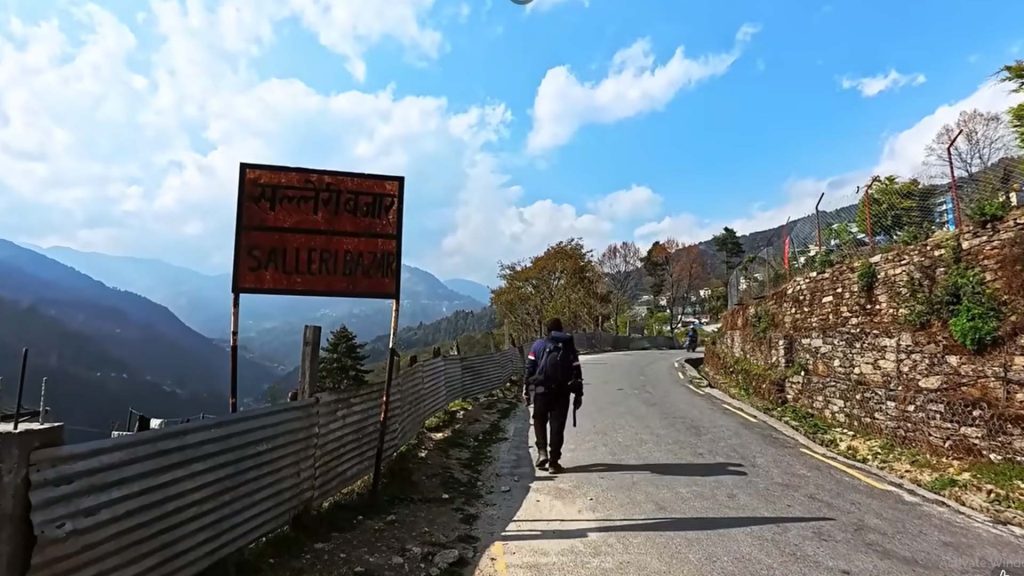
Phaplu is not a trekking village in the same sense as Jhapre or Junbesi, but it is an important exit point. With an airstrip, road access, shops, and administrative activity, it often marks the end of the trek. Nearby Salleri functions as a larger regional center.
For trekkers, this is where mountain routine starts to blend back into town life. You can find more services here, but the atmosphere is less intimate than in the villages higher on the trail. That is normal. By this stage, most people are focused on transport, a shower, a better meal, and the journey back to Kathmandu.
What village accommodation is really like
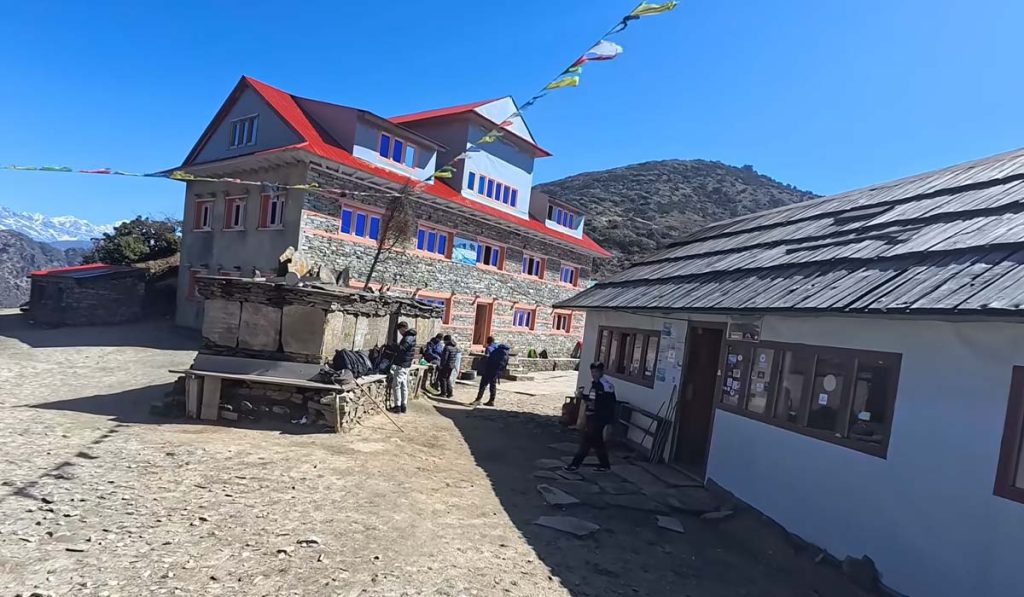
Accommodation on this trek is mostly in local tea houses or simple lodges. In villages like Junbesi and Jhapre, the standard is usually decent for a remote trekking route. Rooms are basic, with twin beds, blankets, and shared toilets in most places. As you move higher or into smaller settlements, the facilities become simpler.
You should not expect uniform lodge quality from one village to the next. Some places have better kitchens, cleaner rooms, or warmer dining halls than others. In peak trekking months, better lodges fill earlier, especially if a group arrives before you. That is one reason guided trekking can still be helpful on a quieter route – not because the trail is hard to follow, but because local coordination improves the overall experience.
Food is also village-dependent. Dal bhat, noodles, fried rice, potatoes, eggs, soup, and tea are widely available, but menu variety narrows with altitude and remoteness. If you have strict food preferences, lower villages offer more choice than high stops like base camp areas.
Culture and daily life in the villages
One of the strongest reasons to walk this trek is the cultural landscape. The route passes through predominantly Sherpa communities, but it feels different from the more commercial Khumbu trails. Life here is less shaped by heavy trekking volume and more by agriculture, religion, and local movement between villages.
You will see mani walls, prayer flags, monasteries, terraced fields, and stone-built homes. During planting and harvest seasons, village activity becomes part of the trail experience. That does not mean every overnight stop feels deeply cultural. Some places function mainly as transit points. But in villages like Jhapre, Junbesi, and Taksindu, the local setting is a major part of why this trek stays with people.
Respect matters here. Dress modestly in villages, ask before photographing people, and keep expectations realistic about service speed and amenities. These are working communities first and trekking stops second.
Choosing the right village-to-village itinerary
Not every Pikey Peak itinerary includes the same villages, and that is where some trekkers get confused. Road access, weather, and time available can all change the route. A shorter trek might start at Dhap, cross Pikey Peak, and finish at Phaplu in five or six days. A more relaxed version may add time in Junbesi or include side trips.
If your main goal is scenery and a short Himalayan trek, focus on Dhap, Jhapre, Pikey Base Camp, and the descent toward Junbesi or Phaplu. If culture matters as much as the viewpoint, make sure Junbesi is firmly included and avoid rushing through it. If you want the smoothest acclimatization pattern, do not force very long first days just to match an aggressive itinerary you found elsewhere.
The best route is not always the fastest one. On Pikey Peak, the villages are part of the reward. Give yourself enough time to enjoy them, and the trek feels far richer than a simple summit viewpoint trip.