Getting to the Pikey Peak trek is one of the first real planning decisions you will make, and a good Flight vs Road Access Comparison Pikey Peak can save you time, money, and unnecessary stress. Unlike some Nepal treks where the access point is obvious, Pikey Peak gives you more than one workable option. That is good news, but it also means your choice affects your itinerary, budget, comfort, and even how the trek feels from day one.
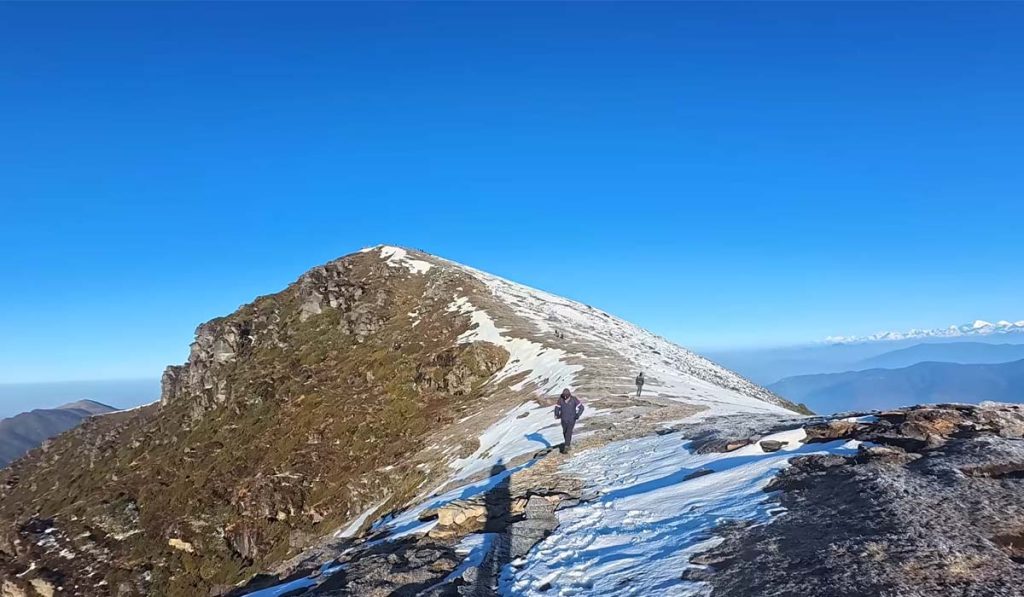
Pikey Peak sits in the lower Everest region and is known for wide Himalayan views, quieter trails, and a more culturally rich walking experience than many trekkers expect. The mountain scenery is impressive, but access logistics are not always as straightforward as travelers assume. Some trekkers prefer to fly for speed. Others choose the road for flexibility and lower cost. Neither option is automatically better in every season or for every trekking style.
Why access matters on the Pikey Peak trek
On paper, transport looks like a small detail. In reality, it shapes the entire trek. If you take a flight, you usually reduce long overland travel and reach the trail faster. If you go by road, you often save money and gain more flexibility with your starting point and return plan.
This matters even more in Nepal because transport is influenced by weather, road conditions, local traffic, and seasonal crowding. A route that looks easy in a short itinerary can become tiring if you underestimate transfer time. For Pikey Peak, access planning is especially important because many trekkers choose this route as an alternative to busier Everest trails and want a smoother, less rushed journey from the beginning.
Flight vs Road Access Comparison Pikey Peak: the basic difference
The main difference is simple. Flight access usually involves flying from Kathmandu to Phaplu, then starting the trek from there or after a short drive onward. Road access usually means driving from Kathmandu to Dhap, Jhapre, Phaplu, or another trailhead, depending on your chosen route.
Flight access is faster when flights operate on schedule. Road access is slower but often more predictable in terms of not being canceled outright. That said, road travel in Nepal can be long and rough, especially outside the best road conditions. So the real comparison is not just speed versus cost. It is speed versus certainty, comfort versus flexibility, and convenience versus season-specific risk.
Choosing flight access to Pikey Peak
For trekkers with limited time, flying to Phaplu is the strongest argument. A flight can cut down the approach significantly and help you start walking sooner. If your Nepal trip is short and you want to avoid spending a full day or more on mountain roads, this option makes sense.
Another advantage is energy management. Many trekkers arrive in Nepal after a long international travel, and a full overland transfer the next day can feel more exhausting than expected. A short domestic flight is often easier on the body and lets you begin the trek in a better mood.
Flight access also works well for trekkers who want a cleaner itinerary. If you are trying to fit Pikey Peak into a 7 to 10 day Nepal plan, flying can make the schedule more realistic.
But there are trade-offs. Domestic flights in Nepal are weather-dependent. Even when the route is less famous than Lukla, mountain flying still depends on visibility and operational conditions. Delays can happen. Cancellations can happen. If your international departure is close to your trek finish date, relying on a tight flight-based schedule can create stress.
Cost is the other clear drawback. Flying is more expensive than going by road, especially for budget-conscious trekkers. If you are traveling in a group, road transport often becomes even more attractive financially.
Choosing road access to Pikey Peak
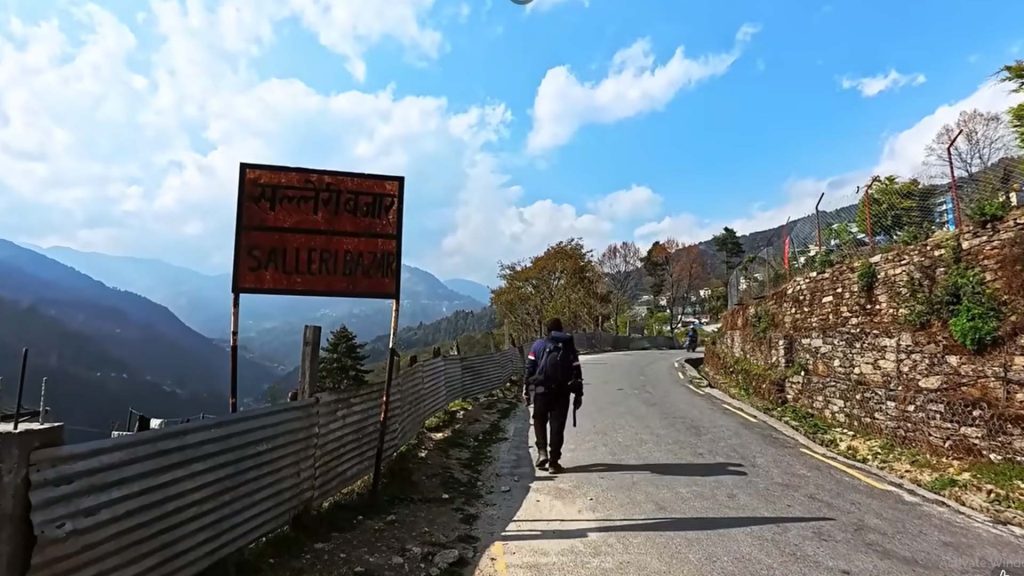
Road access is the more practical choice for many trekkers, especially those who want lower transport costs and more route flexibility. Depending on road conditions and your preferred starting point, you can drive toward Dhap, Jhapre, or Phaplu and begin the trek from there.
The biggest strength of road access is control. You are not waiting on flight windows in the same way, and your plan can be adjusted more easily. If you want to start from a lower point and build the trek gradually, the road option gives you that freedom. It can also be a better fit for trekkers who enjoy seeing the changing landscape from the low hills into the mountain districts.
Road travel also opens up itinerary variations. You can enter from one side and exit from another if your plan is built carefully. That flexibility is useful for trekkers who want a more customized Pikey Peak route rather than a fixed in-and-out schedule.
Still, the road comes with its own challenges. Travel time is long. In some seasons, road sections can be dusty, muddy, or simply tiring. What looks manageable on a map may feel like a very full day in a vehicle. If you are sensitive to rough roads or motion sickness, this part of the journey can be harder than the trek itself.
Cost comparison: flight usually costs more, road usually saves more
If budget is one of your main concerns, road access usually wins. Public or shared transport is the cheapest option, while a private jeep offers more comfort but still often remains more affordable than flights for many travelers.
Flight access adds the price of domestic airfare and can also require additional local transport after landing, depending on where you start walking. That means the total cost difference is not only the airfare itself but the whole transfer chain.
For solo trekkers, shared road transport can be very economical. For small groups, a private jeep often provides a good balance between cost and convenience. Flights make more sense when time is worth more to you than the savings.
Time comparison: faster on paper is not always faster in practice
This is where trekkers need to think carefully. Flights are faster when they run normally. A short flight can replace a long overland day. But if the weather causes delays, that time advantage can disappear quickly.
Road access is slower from the start, but it can be easier to plan around because you know the transfer will take many hours and you build your itinerary accordingly. In stable weather, a flight may clearly save time. In uncertain conditions, a road journey can end up being the more dependable option overall.
The smartest approach is to match transport with your schedule. If you have very little time but also no buffer days, flight access may actually be risky. If you have a flexible plan and want to reduce long vehicle travel, flying becomes more attractive.
Comfort, scenery, and overall travel experience
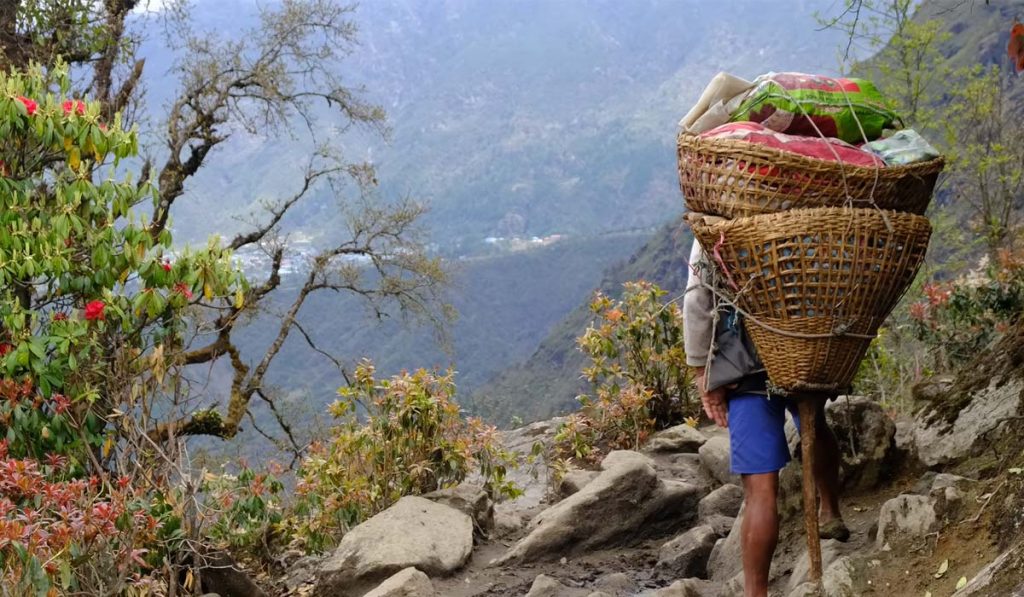
Comfort depends on what kind of discomfort you tolerate better. A domestic flight is quick but can be stressful for travelers who dislike small aircraft or worry about weather disruptions. A long road trip avoids that issue but replaces it with hours of winding mountain roads.
Some trekkers genuinely enjoy the road approach because it gives a gradual sense of entering rural Nepal. You see towns, farmland, hill villages, and daily life before the trekking begins. That can add context to the journey. Others would rather skip the long transfer and get straight to the trail.
There is no universal answer here. If your idea of comfort is minimizing transit time, choose the flight. If your idea of comfort is avoiding flight uncertainty and moving at a more adaptable pace, choose the road.
Best option by traveler type
If you are short on time, reasonably flexible with delays, and comfortable paying more, flight access is often the better choice. If you are traveling on a budget, want a more adjustable itinerary, or prefer avoiding weather-dependent domestic flights, road access usually makes more sense.
First-time trekkers in Nepal often assume flying is always the easier option. Sometimes it is, but not always. Experienced Nepal trekkers know that road access can be the smarter choice when transport reliability matters more than speed.
For photographers and slower travelers, the road start can feel more rewarding because it builds the journey gradually. For trekkers combining Pikey Peak with a shorter Nepal trip, flying may be the difference between fitting the trek in comfortably or rushing every day.
Seasonal factors that can change your decision
Season matters a lot. In the main trekking seasons, both options are possible, but demand, road traffic, and weather patterns can affect the experience. During monsoon or unsettled weather periods, flights may face more disruption, while roads may become rougher or slower.
In dry and stable periods, either option can work well. In shoulder seasons, road access often gives peace of mind, even if it demands more patience. This is why transport decisions for Pikey Peak should never be separated from your travel month.
So which access route is better for Pikey Peak?
The better option depends on what you are trying to protect most: time, budget, comfort, or flexibility. Flight access is better for a shorter itinerary and a quicker start when conditions cooperate. Road access is better for cost control, route freedom, and reducing the risk of flight disruption.
If you want the safest planning approach, build your trek around road access. If you want the most efficient itinerary and can tolerate some uncertainty, choose the flight. Many trekkers find that one strong decision rule helps: if a delay would seriously affect your international travel or the whole trek plan, do not rely on a tight flight connection.
Pikey Peak is one of those treks where the journey matters almost as much as the character of the trek itself. Choose the access that fits your pace, not just the one that looks fastest on paper.