Most trekkers researching the Everest region start with the same shortlist: Everest Base Camp, Gokyo, or the Three Passes. But What Makes Pikey Peak Different from Other Everest Region Treks? The short answer is this: it gives you a wider Himalayan experience with fewer crowds, lower altitude stress, stronger village contact, and surprisingly big mountain views for a shorter commitment.
That difference matters more than many trekkers expect. In the Everest region, route choice shapes the entire feel of your journey. Some treks are built around reaching a famous destination. Pikey Peak trek is different because the experience is spread across the whole trail – ridgeline walks, old Sherpa settlements, monasteries, forest sections, and long sunrise panoramas that include Everest without requiring you to walk deep into the Khumbu.
What makes Pikey Peak different from other Everest region treks?
Pikey Peak stands apart because it is not a classic high-traffic Everest corridor trek. You are still in the broader Everest region, but the trail feels quieter, more local, and less commercial. For many trekkers, that changes the quality of the trip in a very positive way.
On the Everest Base Camp or Gokyo routes, the trail has a strong objective. You move with a sense of progression toward a famous point. At Pikey Peak, the reward is not only the summit viewpoint. The route itself is the attraction. You spend more time enjoying open hills, village life, changing landscapes, and the rhythm of walking without the pressure that often comes with a high-altitude goal.
That makes it especially appealing for trekkers who want Everest views but do not necessarily want the busier teahouse chain, long acclimatization schedule, or physical demands of going much higher.
The mountain views feel bigger than the trek’s altitude
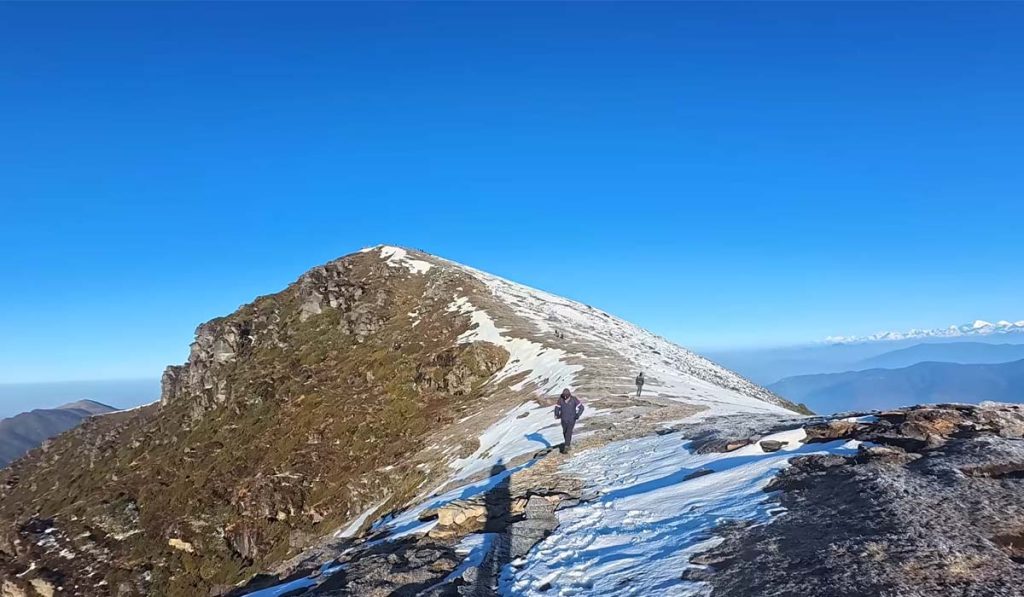
One of the most surprising things about Pikey Peak is how much mountain scenery you get without climbing to extreme trekking altitude. The summit viewpoint sits at around 4,065 meters, which is far lower than Everest Base Camp or Kala Patthar. Yet on a clear day, the panorama is exceptional.
You can see Everest, Lhotse, Makalu, and a long line of Himalayan peaks stretching across eastern Nepal. Many trekkers expect a lower trek to deliver softer scenery. Pikey Peak often does the opposite. Because the viewpoint stands away from the tighter Khumbu valleys, the horizon opens widely. The mountains do not feel hidden behind ridges or crowded into one angle. They feel spread across the skyline.
This is one reason Pikey Peak has earned such a strong reputation among photographers and trekkers who care about sunrise views. The visual reward comes early and dramatically, without requiring the same level of altitude exposure as higher Everest routes.
It is much quieter than the classic Khumbu routes
Crowds are one of the clearest differences. Everest Base Camp is iconic for good reason, but it is no longer a quiet trail in the main trekking seasons. Lodges can fill quickly, popular stopovers feel busy, and the walking rhythm often follows the same pattern as many other groups.
Pikey Peak offers a calmer experience. The trail sees far fewer trekkers, and that changes the atmosphere from the first days onward. Tea houses are simpler in some places, but the sense of space is better. You hear more birds, more wind in the forest, and more village sounds than boot traffic.
For trekkers who value solitude, this matters. So does the quality of interaction. In quieter areas, conversations with lodge owners and local families tend to feel more natural and less rushed. You are not moving through a trekking system at full capacity. You are moving through a lived landscape.
The culture feels closer to the trail
Pikey Peak is also different because local life remains more visible. In the main Khumbu corridor, trekking infrastructure is well developed, and that is useful in many ways. It provides consistency, logistics, and a proven route network. But it can also make parts of the journey feel more shaped by tourism.
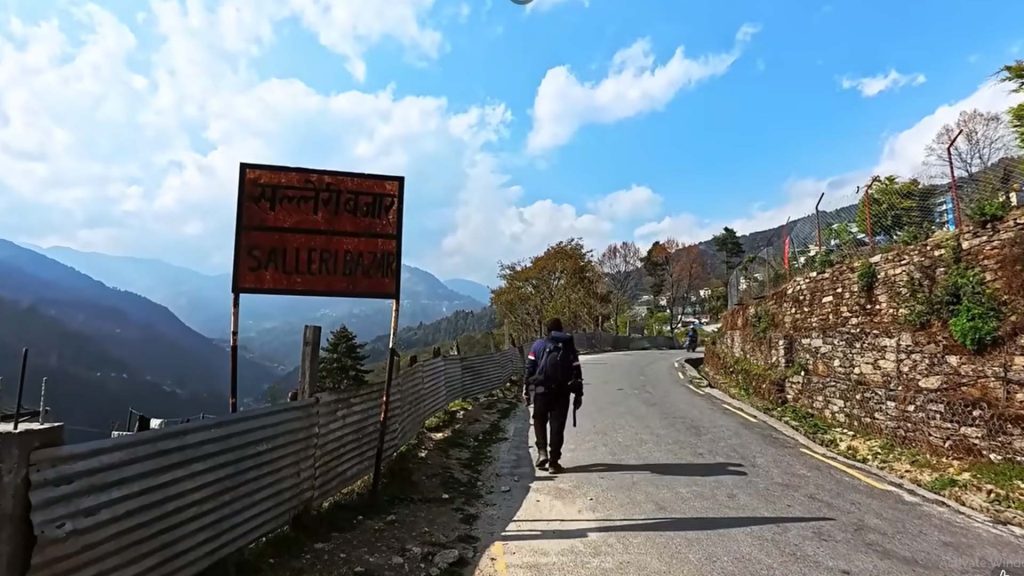
On the Pikey Peak route, you pass through Sherpa villages where farming, daily household work, local monasteries, and seasonal routines still define the pace of life. Places like Junbesi often leave a strong impression because they feel culturally rich rather than simply functional as trekking stopovers.
This does not mean Pikey Peak is more authentic in a romantic sense. That word is often overused. What it really means is that village life is more present in the trekking experience. You notice it in the fields, in the monasteries, in the architecture, and in the way the route connects settlements that still rely on more than trekking alone.
It is more accessible for shorter itineraries
Time is a practical factor that often pushes trekkers toward or away from a route. Everest Base Camp usually needs a longer window once flights, acclimatization, and weather delays are considered. Gokyo and Three Passes need even more time.
Pikey Peak works well for trekkers with a tighter schedule. Depending on the route design, it can often be completed in about a week to ten days, sometimes a little longer if you add cultural stops or a slower pace. That makes it attractive for travelers who want a meaningful Himalayan trek but cannot commit to a two-week or three-week plan.
This shorter length does not make it a lesser trek. It simply means the effort-to-reward ratio is very good. You can get major Himalayan views, strong cultural interest, and a real trekking feel without committing to the full high-Khumbu timeline.
The altitude risk is lower, but not zero
Lower elevation is another major point of difference. Pikey Peak is often chosen by trekkers who want to reduce the risk of altitude sickness compared with Everest Base Camp or other higher Everest region routes.
That is a sensible reason to choose it. A highest point of just over 4,000 meters is much more manageable for many trekkers than heading above 5,000 meters. You may sleep better, recover faster, and need fewer acclimatization days.
Still, lower risk does not mean no risk. Some trekkers underestimate Pikey Peak because it sounds moderate compared with the classic Everest routes. But steep ascents, cold conditions, and rapid elevation gain can still be tiring. If your itinerary is too compressed, altitude discomfort is still possible. Good pacing remains important.
The walking style is different from Everest Base Camp
Pikey Peak feels more like a scenic ridge-and-village trek than a goal-driven expedition to a famous landmark. That distinction helps set expectations.
Everest Base Camp has a strong psychological pull because each day takes you deeper into the Khumbu and closer to the base of the world’s highest mountain. Pikey Peak works differently. The pleasure comes from the variety of terrain and the relaxed progression of the trail. Forests, meadows, prayer flags, long traverses, and open viewpoints all play a role.
If you need the satisfaction of saying you stood at Everest Base Camp, Pikey Peak will not replace that. But if your priority is enjoying the actual days of walking rather than chasing a single endpoint, many trekkers find Pikey Peak more balanced and less demanding.
Accommodation and comfort are simpler, but often more personal

Compared with the main Everest trail, facilities on the Pikey Peak route are generally more basic. You should expect a simpler teahouse standard in some villages, especially outside the busiest stopping points. Menus may be shorter, rooms more modest, and services less standardized.
For some trekkers, this is a drawback. If you want the widest choice of lodges, bakeries, cafes, and upgraded rooms, the main Khumbu route is stronger. But many trekkers see the simpler setup as part of Pikey Peak’s appeal. The experience often feels less commercial and more personal.
The key is choosing the route with clear expectations. Pikey Peak gives comfort in the sense of warmth, hospitality, and calm, not in the sense of extensive trekking infrastructure.
Who should choose Pikey Peak?
Pikey Peak is a strong choice for trekkers who want Everest-region scenery without the scale, crowd level, or altitude commitment of Everest Base Camp. It suits first-time trekkers to Nepal, photographers, returning visitors looking for a quieter route, and travelers who prefer culture and landscape over checking off a famous destination.
It is also a good option in shoulder seasons when you want flexibility and a route that feels rewarding even on a shorter itinerary. An experienced local operator can also combine it with places like Junbesi or Phaplu to make the trek more varied and logistically smooth.
On the other hand, trekkers focused on iconic high-altitude milestones may still prefer Everest Base Camp, Gokyo, or the Three Passes. Pikey Peak is not trying to compete with those routes on altitude or expedition feel. Its strength is different. It offers a quieter, broader, and often more relaxed Everest-region experience that still delivers one of the best viewpoints in Nepal.
If you are choosing between Everest treks and want something scenic, culturally rich, and more manageable without feeling small, Pikey Peak deserves a serious look.