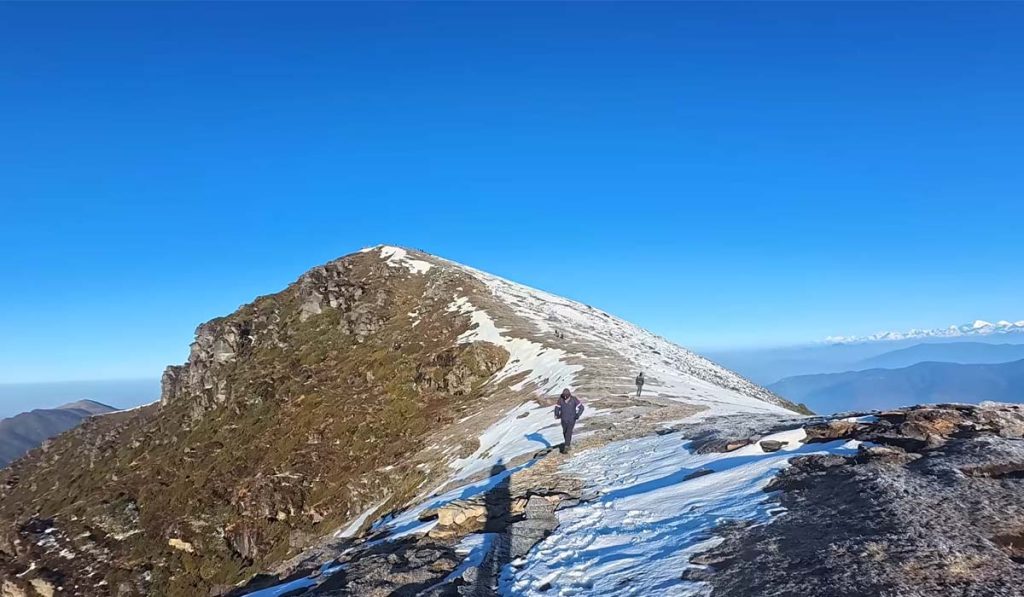
If you want a Himalayan sunrise without the crowds of the better-known Everest trails, the Sunrise View from Pikey Peak is one of the smartest choices in Nepal. On a clear morning, the ridgeline opens wide and the light reaches a long chain of peaks, including Everest, Lhotse, Makalu, and Kanchenjunga in the far distance. It is the kind of viewpoint that feels earned but still realistic for trekkers who want strong rewards without committing to a long expedition.
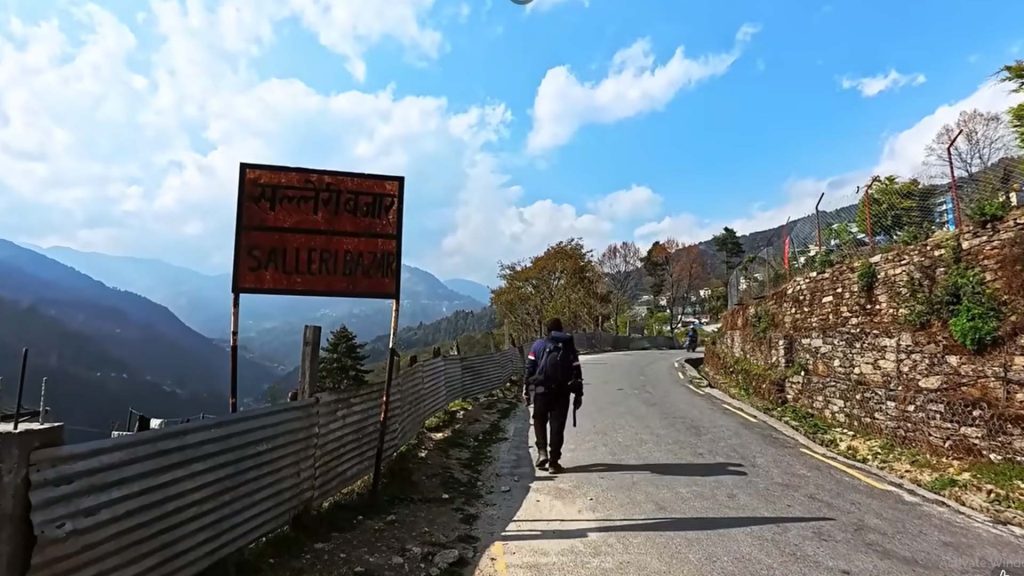
Pikey Peak trek in the lower Everest region, in Solukhumbu, and has become increasingly popular with trekkers who prefer quieter trails, local lodges, and broad mountain panoramas. The sunrise itself is the headline, but the experience is not only about one early morning push to the top. The route also gives you Sherpa villages, forest sections, rolling ridges, and a more relaxed rhythm than many high-profile treks.
Why the sunrise from Pikey Peak stands out
Many viewpoints in Nepal offer a single dramatic angle. Pikey Peak is different because the horizon feels unusually open. From the summit area, the mountains stretch across a very broad arc, and that makes the sunrise more dynamic. You are not watching light hit one isolated summit. You are watching the entire skyline change, from dark outlines to soft gold, then to fully illuminated snow peaks.
This is also one of the few treks where the mountain reward comes at a relatively moderate altitude compared with many other famous viewpoints. Pikey Peak is around 4,065 meters, which is still high enough to demand respect, but it is more accessible than several classic high-altitude trekking routes. For many trekkers, that means a better balance between effort, acclimatization, and scenery.
Another reason the view feels special is the setting before dawn. Most trekkers leave the lodge in darkness, often from Pikey Base Camp or a nearby overnight stop, and walk uphill in cold air under stars or cloud gaps. That pre-sunrise ascent adds anticipation. By the time the first light touches the peaks, you already feel part of the landscape rather than just a visitor stepping out of a vehicle at a lookout point.
What you can see from the summit
On a clear day, the summit delivers one of the widest mountain views in eastern Nepal. Everest is the name many trekkers look for first, but it is part of a much larger Himalayan panorama. Depending on visibility, you may see Everest, Lhotse, Nuptse, Makalu, Kanchenjunga, Gauri Shankar, Numbur, and other surrounding peaks.
The appeal is not just peak-bagging with your eyes. The lower landscape matters too. Rolling hills, scattered villages, prayer flags, yak pastures, and forested slopes create depth beneath the high mountains. That contrast between near and far makes the sunrise photographs stronger and the real-life experience more memorable.
Cloud can change everything. On some mornings, the sky above the mountains is perfectly clear while the valleys below remain filled with mist. That creates a layered scene that many trekkers find even more beautiful than a fully cloudless day. On the other hand, heavy cloud cover can hide the biggest peaks almost completely. Pikey Peak offers exceptional potential, but mountain weather always has the final say.
Best season for the Sunrise View from Pikey Peak
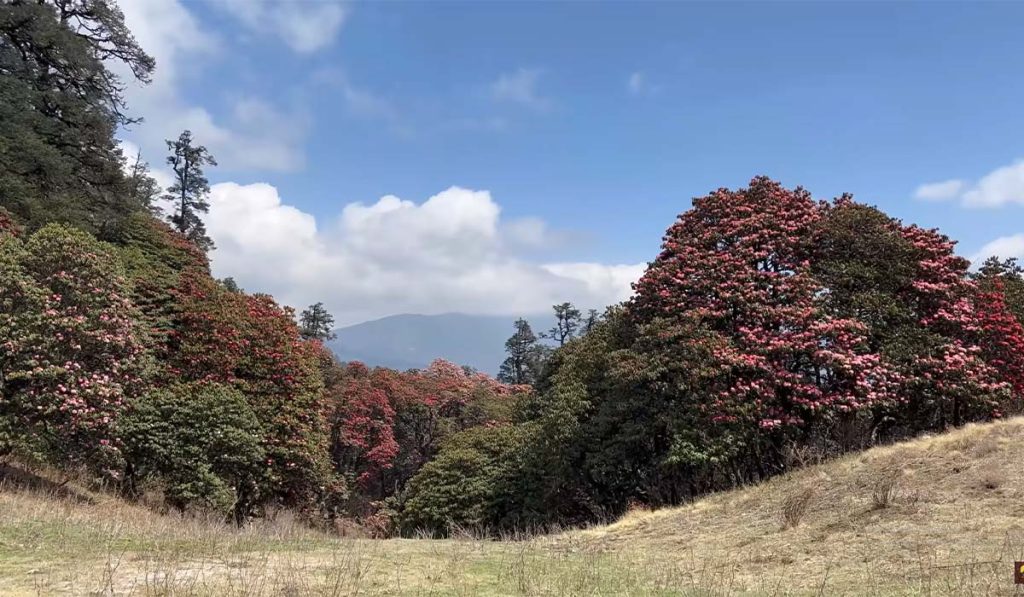
The best seasons are spring and autumn. In spring, usually from March to May, the weather is often stable and the hills below the viewpoint are greener. Rhododendron forests on parts of the trail can also add color. Morning visibility is often good, though haze can begin to build later in the day, especially in warmer periods.
Autumn, usually from late September to November, is often the strongest choice for sharp mountain views. After the monsoon, the air is cleaner, and the long-range visibility can be excellent. This is the season many trekkers prefer if the main goal is the clearest possible sunrise panorama.
Winter can also be rewarding if you are prepared for colder temperatures. The trails are quieter, and crisp skies can produce outstanding views. But the summit morning can be very cold, and frost or light snow may make the pre-dawn climb slower.
Monsoon is the least reliable season for this trek if sunrise views are your priority. Clouds, rain, slippery trails, and poor visibility can limit the experience. Some trekkers still go for the greenery and solitude, but it is not the best choice if your main goal is a clear summit sunrise.
Timing matters more than most trekkers expect
A good sunrise at Pikey Peak is not only about the season. It is also about exact timing. You need to leave early enough to reach the summit before first light, not after it. That usually means starting in darkness from your lodge, often with a headlamp, warm layers, and enough time for a steady uphill walk.
This final push is not technical, but it can feel harder than expected because of the cold, altitude, and darkness. Trekkers who walk too fast often arrive tired and uncomfortable. A steadier pace usually works better. You want to arrive with enough time to settle, add a layer, choose a viewpoint, and simply watch the colors change.
If the morning is windy, it can feel significantly colder than the temperature suggests. Gloves, a warm hat, and an insulated jacket make a big difference. Many trekkers underestimate summit cold because the overall trek is not considered extremely high.
How difficult is the trek to this viewpoint?
Pikey Peak is generally considered a moderate trek. It is suitable for many first-time trekkers in Nepal, provided they have reasonable fitness and allow enough days for the route. The trail includes repeated ascents and descents, and the summit morning has a short but noticeable climb at altitude.
What makes this trek manageable is not that it is easy, but that it avoids some of the more demanding logistical and altitude challenges found on longer high-Himalayan routes. You do not need advanced mountaineering skills. You do need stamina, good pacing, and sensible preparation.
For experienced hikers, Pikey Peak can feel refreshingly straightforward. For beginners, it is often a strong introduction to Nepal trekking because the rewards arrive quickly and the route still feels authentically Himalayan.
Staying overnight near the summit
Most trekkers plan their itinerary so they sleep near Pikey Peak before the sunrise climb. This is important. If you stay too far below, you will either need an uncomfortably early start or risk missing the best light.
Basic teahouses and lodges are available on the route, though standards are simpler than on the busiest trekking circuits. That is part of the appeal for many travelers. The experience feels more local and less commercial. Accommodation can vary by season, weather, and current trail activity, so flexibility helps.
Because facilities are more limited than in some major trekking areas, expect practical mountain lodging rather than comfort-focused accommodation. Warm dining rooms, simple meals, and early nights are normal. If your priority is the sunrise itself, this trade-off usually feels worthwhile.
Practical tips for getting the best view
The best Sunrise View from Pikey Peak depends on more than luck. Build your itinerary with a buffer if possible. Weather shifts quickly in the hills, and one extra day can make the difference between a whiteout and a spectacular summit morning.
Carry proper layers for the early ascent, even in spring and autumn. Bring a headlamp with good battery life, keep water accessible so it does not freeze in very cold conditions, and avoid relying only on your phone flashlight. Trekking poles can help on the descent, especially if the ground is frosty.
Photography is better when you arrive early and stay patient. The first glow, the moment the peaks catch fire, and the softer light a little later all create different images. Many trekkers take a few quick photos and then leave too soon. It is worth staying long enough to watch the full transition.
If you are sensitive to altitude, do not dismiss this trek as too low to matter. At just over 4,000 meters, some trekkers still feel shortness of breath, mild headache, or poor sleep. Hydration, gradual ascent, and a sensible itinerary remain important.
Is Pikey Peak worth it for Everest views?
Yes, especially if you want a quieter alternative to the classic Everest Base Camp route. You are not walking deep into the high Khumbu, and the trek is not a substitute for the full Everest region experience. But for a shorter trip focused on mountain scenery, Pikey Peak gives outstanding value.
That said, expectations should stay realistic. Everest is visible, but it is one part of a wider horizon rather than an overwhelming close-up presence. If your only goal is to stand as close as possible to Everest, another trek may suit you better. If your goal is a beautiful sunrise over a huge Himalayan skyline with fewer crowds, Pikey Peak is hard to beat.
For many trekkers, that balance is exactly why the route works so well. It offers a serious mountain atmosphere, strong cultural character, and a memorable summit morning without the time, cost, and physical commitment of a much longer expedition. If you plan carefully and choose a good season, the sunrise here can easily become the highlight of your Nepal journey.