Choosing between the Poon Hill Trek vs Annapurna Base Camp is harder than it looks. Both sit in the Annapurna region, both deliver big mountain scenery, and both are excellent treks for travelers who want a classic Nepal experience. But they are not the same kind of journey. One is shorter, easier, and better for tighter schedules. The other is longer, more demanding, and gives you the rare feeling of walking deep into a Himalayan amphitheater.
If you are trying to decide which trek matches your time, fitness, budget, and expectations, the answer depends less on which route is “better” and more on what kind of experience you actually want.
Poon Hill Trek vs Annapurna Base Camp: the main difference
The clearest difference is depth. Poon Hill is a shorter ridge-and-village trek with a famous sunrise viewpoint. Annapurna Base Camp is a more immersive mountain journey that takes you higher and farther into the range.
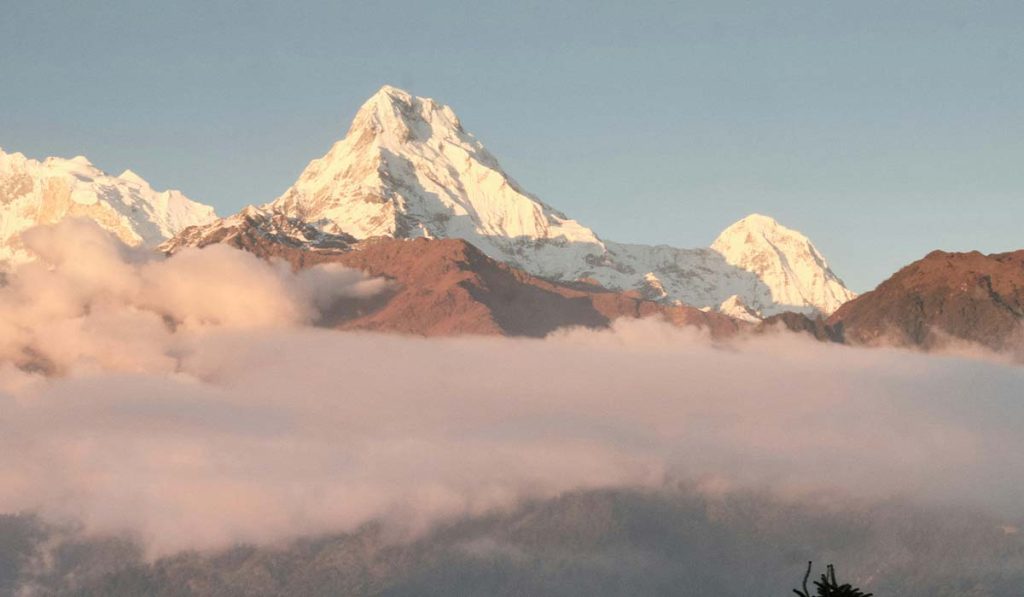
Poon Hill usually takes about 4 to 6 days, depending on your starting point and pace. It is known for stone villages, rhododendron forest, terraced farmland, and a panoramic sunrise over Annapurna, Dhaulagiri, and Machhapuchhre. The altitude is moderate by Himalayan standards, and for many trekkers it feels achievable without needing a long acclimatization plan.
Annapurna Base Camp, often called ABC, usually takes around 7 to 12 days depending on the route design. It leads through Gurung and Magar settlements, bamboo and rhododendron forest, steep stair sections, river valleys, and finally into the Annapurna Sanctuary. At base camp, you are surrounded by high peaks rather than just viewing them from a distance. That changes the emotional feel of the trek completely.
If you want a shorter scenic trek, Poon Hill often makes more sense. If you want a fuller mountain expedition with a stronger sense of arrival, Annapurna Base Camp is usually the better fit.
Which trek is harder?
Annapurna Base Camp is harder in almost every practical way. It is longer, includes more total elevation gain, and reaches a much higher altitude. The base camp sits at 4,130 meters, while Poon Hill is around 3,210 meters. That difference matters, especially if you have never trekked at altitude before.
Poon Hill is still a real trek, not just a walk. Many people underestimate the stone stair climbs, especially around Ulleri if that section is included in the itinerary. A short trek can still feel tiring if you arrive in Nepal with little preparation. But compared with ABC, the physical demand is lower and the risk of altitude-related problems is also lower.
ABC asks more from your legs, lungs, and recovery. Even fit trekkers can feel the effort once they move above Chhomrong and toward Deurali, Machhapuchhre Base Camp, and Annapurna Base Camp. Cold mornings, longer walking days, and thinner air all add up.
For first-time trekkers in Nepal, Poon Hill is usually the safer and more comfortable starting point. For trekkers with decent hiking fitness and a bit more time, ABC is manageable, but it should be approached with more respect.
Time and itinerary flexibility
Time is often the deciding factor.
Poon Hill works very well if you only have a week in Nepal or want to combine trekking with sightseeing, wildlife, or another destination. It is one of the best choices for travelers who want a genuine Himalayan trek without committing to a long mountain itinerary. Because it is shorter, it also gives you more flexibility if the weather or transport shifts your plans.
ABC needs a bigger time commitment. Even if you choose a shorter version, you still need enough days to walk in and out safely. Rushing this trek is not a good idea. Shortening the itinerary too aggressively can make the experience more tiring and can reduce your margin for altitude adjustment.
If your trip to Nepal is brief, Poon Hill is usually the more realistic option. If trekking is the main purpose of your trip, ABC gives you a deeper return on that time.
Views and overall experience
Both treks are beautiful, but the scenery unfolds in different ways.
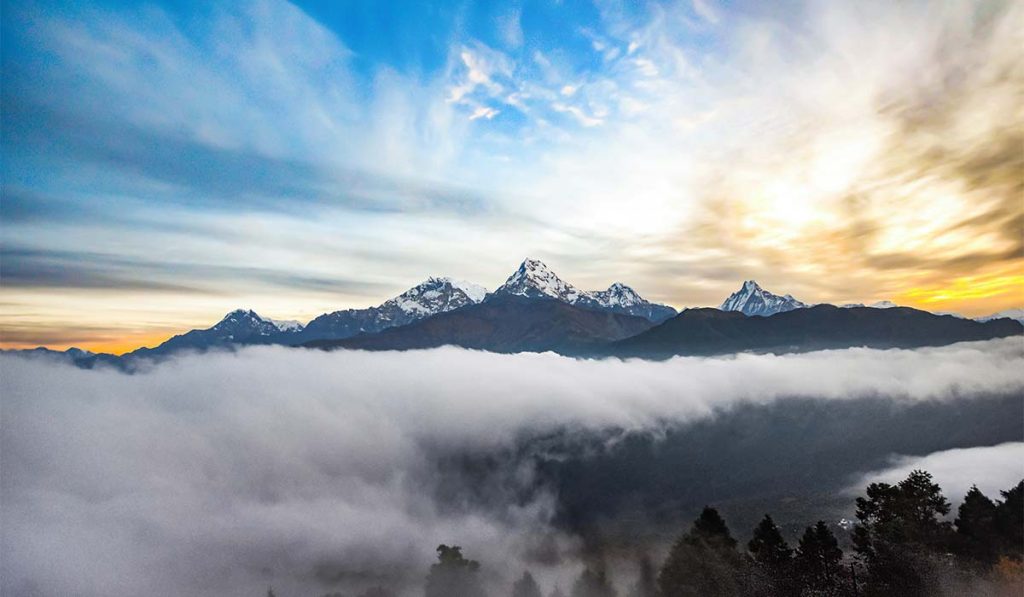
Poon Hill is about broad panoramas. The sunrise viewpoint is the highlight, and on a clear morning, it is one of the most rewarding short treks in Nepal. You climb before dawn, reach the viewpoint, and watch the peaks light up in stages. The experience is dramatic and memorable, especially for photographers and first-time Himalayan travelers.
Beyond the viewpoint itself, Poon Hill also gives you a strong cultural landscape. You pass through attractive villages like Ghorepani and Ghandruk, where traditional life, local lodges, and mountain backdrops are part of the charm. The route often feels varied and social.
ABC is more about immersion. Instead of one main lookout point, the trek gradually pulls you inward. Forest, river gorge, avalanche terrain, and open alpine space build toward the final approach. Then you arrive in a high mountain basin ringed by giant peaks. Annapurna I, Annapurna South, Hiunchuli, Machhapuchhre, and other summits feel close and imposing.
If you want a beautiful short trek with classic sunrise views, choose Poon Hill. If you want to feel surrounded by the Himalayas rather than simply looking at them, ABC stands out.
Altitude and safety considerations
This is one of the most important differences, and many trekkers focus on it too late.
Poon Hill’s altitude is high enough for cold weather and some shortness of breath on climbs, but serious altitude problems are much less common than on ABC. For many healthy trekkers, it is a comfortable introduction to trekking in Nepal.
Annapurna Base Camp climbs high enough that altitude awareness becomes essential. Not everyone gets sick, but anyone can feel the effects. Headache, poor sleep, loss of appetite, and unusual fatigue can all appear as you go higher. The risk is still lower than on some higher trekking routes in Nepal, but it is not something to ignore.
Weather exposure also changes with altitude. The upper section of ABC can be very cold in peak winter and can feel harsh in poor weather. Snow, ice, and freezing mornings are more likely there than on Poon Hill. During the monsoon, slippery trails and cloud cover affect both treks, but higher sections on ABC can become more challenging.
If you are worried about altitude, traveling with family, or choosing your first trek in Nepal, Poon Hill gives you a gentler margin of safety.
Accommodation, food, and comfort on the trail
Both routes are tea house treks, so you can expect basic lodge accommodation and simple hot meals along the way. In general, neither route requires camping under normal conditions.
Poon Hill usually feels more comfortable for most trekkers. Villages are frequent, facilities are relatively accessible, and because the trek is shorter, you spend fewer nights adapting to mountain basics. You can still expect simple rooms and shared bathrooms in many places, but the overall logistics are easier.
ABC also has a well-established tea house network, yet conditions become more basic as you gain altitude. Menus narrow, nights get colder, and comfort matters less than route position. You are there for the mountain experience, not luxury. That is fine for most trekkers, but it is worth understanding before you go.
If comfort and convenience matter a lot to you, Poon Hill usually wins.
Cost difference
Poon Hill is generally cheaper because it is shorter. Fewer trekking days mean lower spending on accommodation, food, guide or porter support, and transportation.
ABC costs more simply because it requires more days on the trail. The farther you go, the more daily expenses add up. If you hire a guide and porter, which many trekkers sensibly do, the price gap becomes more noticeable.
That said, both treks are still considered relatively accessible compared with many longer Himalayan routes. The better question is not only which is cheaper, but whether the added days and deeper mountain experience of ABC are worth it for you.
Who should choose Poon Hill?
Poon Hill is a strong choice for first-time trekkers, couples, families with moderate hiking ability, older travelers with good mobility, and anyone with limited time. It also suits travelers who want a cultural trekking experience with mountain views but are not specifically chasing a high-altitude base camp objective.
It is especially good if you are uncertain about how your body will respond to trekking in Nepal. Many people discover on Poon Hill that they love the tea house style, village atmosphere, and daily walking rhythm. From there, they can plan a longer trek with more confidence.
Who should choose Annapurna Base Camp?
ABC is better for trekkers who want a stronger physical challenge and a more complete mountain journey. If reaching a named base camp matters to you, if you enjoy multi-day hiking, or if you want that feeling of entering the heart of the range, ABC delivers more.
It also suits travelers who can give the trek enough time. The route is far more rewarding when you do not rush it. With a sensible itinerary, solid preparation, and realistic expectations, it is one of Nepal’s most satisfying classic treks.
The better choice for most travelers
There is no universal winner in the Poon Hill Trek vs Annapurna Base Camp decision. Poon Hill is better for ease, shorter schedules, lower altitude, and classic sunrise panoramas. Annapurna Base Camp is better for depth, mountain drama, and the sense of earning a bigger objective.
If you are new to Himalayan trekking, Poon Hill is often the smarter choice. If you already know you want a longer and more immersive route, Annapurna Base Camp is likely the trek you will remember more vividly years later.
The best trek is the one that matches your body, your time, and the kind of mountain experience you actually want – not the one that sounds more impressive on paper.