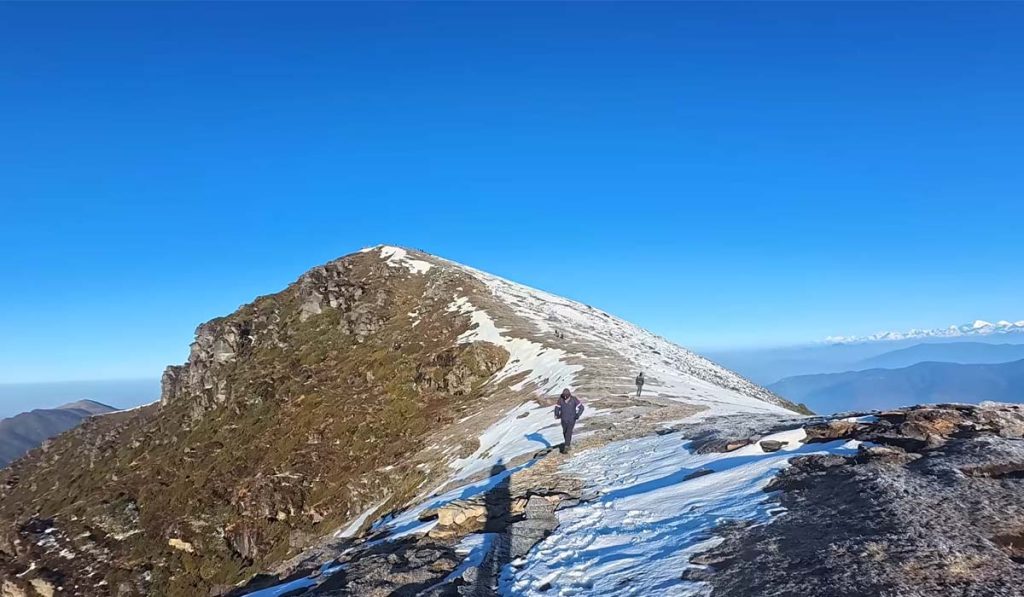
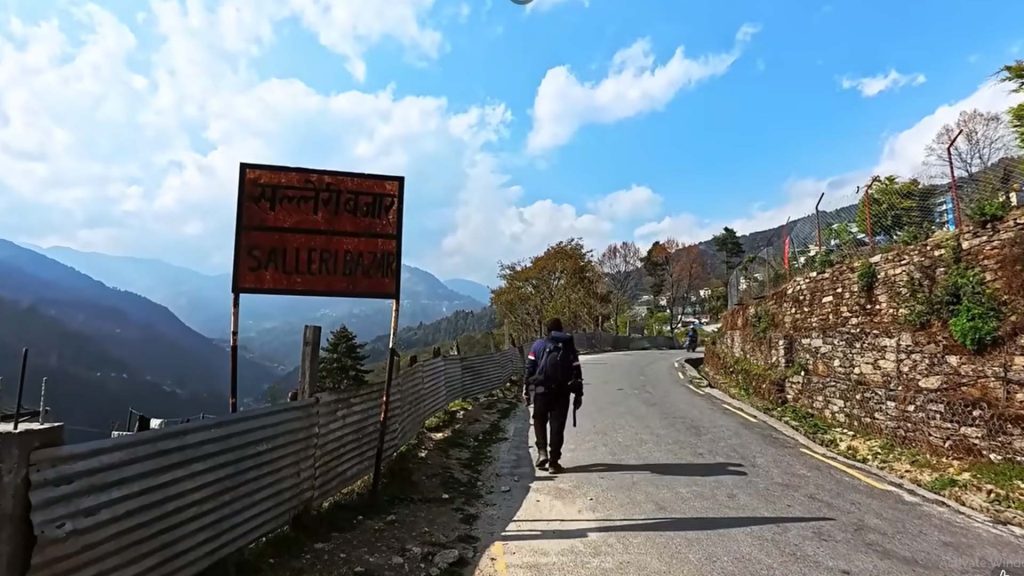
Many trekkers worry about the wrong thing before Pikey Peak. They assume the trek is only for very fit hikers because it reaches high ridges with wide Himalayan views. In reality, the Physical Fitness Required for Pikey Peak Trek is moderate for most people, but that does not mean you can arrive unprepared and expect an easy walk.
Pikey Peak is one of the better choices in Nepal for trekkers who want a real mountain trail without committing to a long expedition-style route. The days are manageable, the lodges are simple but sufficient, and the terrain is less demanding than Everest Base Camp or many remote-region treks. Still, there are regular ascents and descents, long walking hours on some days, and the added challenge of altitude. Good preparation makes the difference between enjoying the route and struggling through it.
How fit do you need to be for Pikey Peak Trek?

You do not need to be an athlete, a trail runner, or an experienced mountaineer to complete Pikey Peak Trek. A person with average general fitness, steady stamina, and a willingness to walk for several hours a day can usually do well. Most healthy trekkers who stay active at home and prepare for a few weeks can manage this route.
That said, average fitness means more than being able to walk around your city or do short weekend hikes. On the trail, you may walk 5 to 7 hours a day, often on uneven stone paths, forest trails, village steps, and ridge sections. The trail is not technical, but it can feel tiring because the uphill and downhill sections repeat day after day.
The key requirement is not speed. It is the ability to keep moving at a slow, steady pace without getting exhausted too early. Trekking in Nepal rewards endurance much more than raw strength.
Physical fitness required for Pikey Peak Trek by category
When people ask about the physical fitness required for Pikey Peak Trek, it helps to break fitness into parts. Trekking performance is not just about cardio. It is a mix of endurance, leg strength, balance, recovery, and altitude tolerance.
Cardiovascular endurance
This is the most important piece. If you can comfortably do brisk walking, stair climbing, or hiking for 1 to 2 hours without feeling completely drained, you already have a reasonable base. For Pikey Peak, it is better if you can build toward 3 to 5 hours of continuous movement before the trek.
You do not need to run marathons. Walking uphill, climbing stairs, hiking local trails, cycling, and using an incline treadmill all help. The goal is to train your body to work steadily for long periods.
Leg strength and joint stability
Pikey Peak includes many uphill pushes and long descents. Descending is often harder on the knees than climbing is on the lungs. Strong thighs, calves, glutes, and hips make the trek far more comfortable.
Simple training, such as squats, step-ups, lunges, and controlled stair sessions, can help a lot. If your knees are already sensitive, preparing your legs before the trek is especially important. Trekking poles also reduce stress during downhill sections.
Balance and trail movement
The route does not require climbing skills, but mountain trails are rarely flat or even. You may walk on rocky paths, dusty slopes, root-covered forest sections, and uneven steps. Good balance lowers the risk of slipping and also saves energy because you move more efficiently.
Recovery ability
One of the most overlooked parts of trekking fitness is recovery. Can your body walk the next morning again after a tiring day? Some people do fine on one hard hike at home but struggle when the effort repeats over several days. If you train on back-to-back walking or hiking days before coming to Nepal, you will adapt much better.
Altitude matters more than many trekkers expect
Pikey Peak is often described as a moderate trek, and that is fair. But moderate distance does not remove altitude from the equation. The high point is above 4,000 meters, and some trekkers begin to feel the effects well below that.
This is where fitness and altitude need to be understood separately. A fit person can still get altitude symptoms. A less athletic but well-paced trekker can sometimes handle altitude better. Good fitness helps because your body works more efficiently, but it does not make you immune.
The practical takeaway is simple: train for stamina, but trek with patience. Walk slowly, drink enough water, eat properly, and do not treat the route like a race. Many avoidable problems on Pikey Peak come from going too fast, especially on ascent days.
Who usually does well on this trek?
Trekkers who already do regular walking, gym workouts, cycling, yoga, or weekend hikes usually adapt well if they keep a steady pace. First-time trekkers can also complete Pikey Peak successfully, provided they prepare honestly and do not overestimate their current condition.
Older trekkers often do very well because they pace themselves better. Younger trekkers sometimes struggle more when they start too fast and burn energy early. Experience in the mountains helps, but mindset matters just as much. A patient trekker with moderate fitness usually performs better than a strong but impulsive one.
Signs you should train more before booking
If you become breathless after climbing a few flights of stairs, rarely walk more than 30 minutes at a time, or have recurring knee or ankle issues, you should build a stronger base before the trek. The same applies if you live a mostly sedentary lifestyle and are planning Pikey Peak as your first real multi-day hike.
This does not mean the trek is out of reach. It simply means your trip will be safer and more enjoyable if you spend time preparing. Even four to eight weeks of focused training can noticeably improve your comfort on the trail.
Best way to train for Pikey Peak Trek
The most effective training is simple and specific. Long walks, hills, stairs, and light strength work do more for trekking than random gym sessions. If possible, train with the shoes and daypack you plan to use on the trek.
A practical weekly routine could include three cardio sessions, one longer hike or walk, and two strength sessions. Cardio can be brisk walking, stair climbing, cycling, or jogging if you already run comfortably. Strength training should focus on legs and core rather than heavy upper-body work.
If you only have limited time, prioritize uphill walking and stairs. These prepare you for the steady climbing that defines much of trekking in Nepal. Add one day of longer effort on weekends so your body gets used to moving for several hours.
In the final two weeks before departure, do not try to cram excessive training. Stay consistent, avoid injury, and arrive fresh.
What makes the trek feel harder than expected?
The trail itself is not extreme, but a few things can catch people off guard. The first is cumulative fatigue. Even moderate walking feels harder after several days. The second is cold morning starts, especially if you are heading to the viewpoint early. Muscles feel tighter, breathing can feel sharper, and the climb may seem steeper than it looks on paper.
The third is poor pacing. Trekkers who are very fit sometimes underestimate the route and walk too fast on the lower sections. That often leads to tired legs, dehydration, or headaches later. Pikey Peak is much more pleasant when approached with rhythm rather than ambition.
Do beginners need a porter or guide?
From a fitness perspective, carrying less weight always helps. A light daypack is manageable for most trekkers, but if you tend to tire easily or want to conserve energy for the walking itself, using porter support is a smart choice. It is not a sign of weakness. It is often the reason people enjoy the trek more.
A guide also helps with pacing, route flow, local logistics, and responding early if altitude or fatigue becomes an issue. For first-time trekkers in Nepal, that support can make the whole experience smoother and safer.
A realistic fitness benchmark before you go
You are likely ready for Pikey Peak if you can comfortably do a 4 to 6-hour hike on uneven terrain, climb stairs for sustained periods without needing frequent long breaks, and repeat moderate activity over consecutive days. You do not need to finish these sessions fast. You just need to finish them with enough energy left to imagine doing something similar the next day.
That is the real standard for this trek. Not peak athletic performance, but dependable endurance.
Pikey Peak rewards trekkers who prepare honestly. If you build your stamina, strengthen your legs, and respect the altitude, this trek is within reach for many people. Come with a steady body, a patient pace, and realistic expectations, and the mountain will feel far more welcoming.