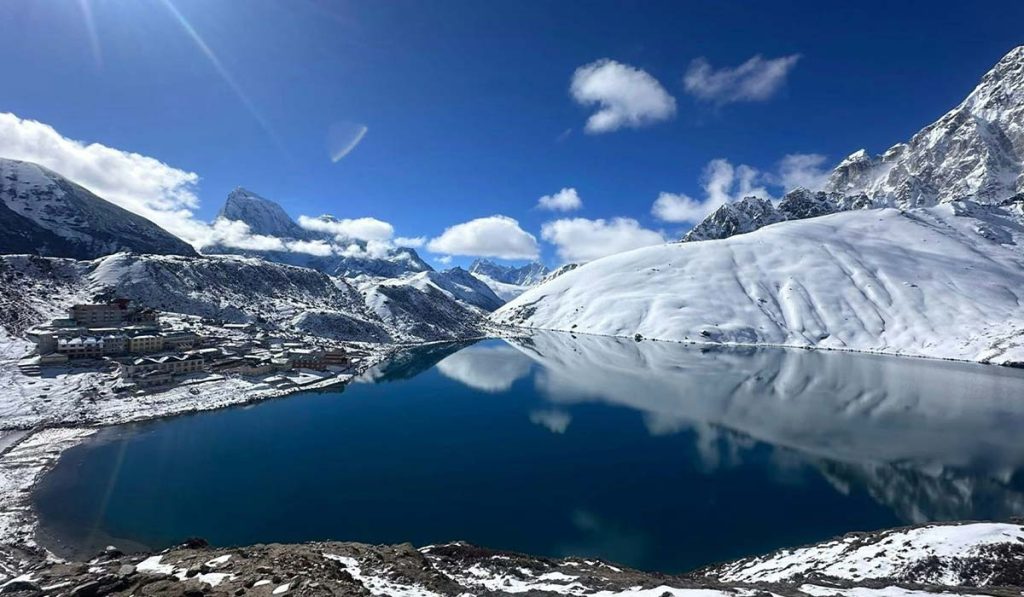
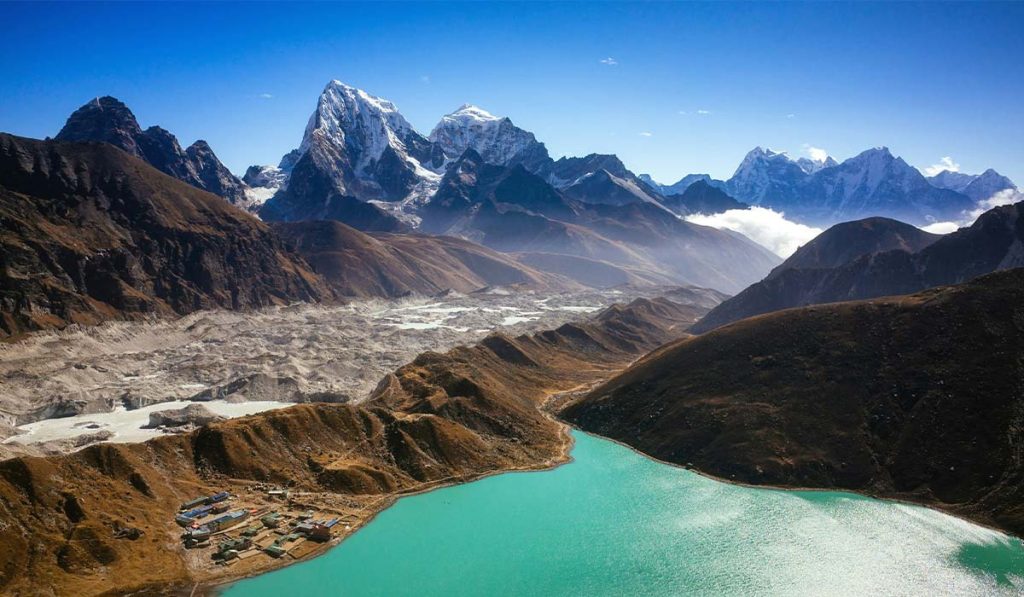
If you are asking How Difficult Is the Gokyo Lakes Trek?, the honest answer is this: it is a moderate to challenging high-altitude trek, and for most people the real difficulty comes less from steep technical terrain and more from thin air, long walking days, and how well they pace themselves.
Many trekkers assume Gokyo is easier than Everest Base Camp because it feels quieter and less crowded. In some ways that is true. The trails can be calmer, and the route often feels more peaceful. But difficulty in the Himalayas is not measured by crowd size. It is measured by elevation gain, recovery time, weather, trail conditions, and how your body responds above 4,000 meters.
The Gokyo Lakes Trek usually reaches around 4,790 meters at Gokyo village, and many trekkers also climb Gokyo Ri at about 5,357 meters. At that height, even strong hikers can feel slow, tired, and short of breath. That is why this trek deserves respect, even though it does not require climbing skills or mountaineering experience.
How difficult is the Gokyo Lakes Trek really?
For a reasonably fit person with some hiking experience, the Gokyo Lakes Trek is very achievable. It is not a technical trek. You do not need ropes, crampons, or advanced mountain skills in normal trekking seasons. The paths are established, teahouses are available along the route, and with a well-planned itinerary, most prepared trekkers can complete it successfully.
What makes it difficult is the combination of altitude and endurance. You may walk for five to seven hours on many days, sometimes more depending on the itinerary, trail conditions, and side trips. The climbs are gradual in some sections, but they still feel demanding because oxygen levels drop as you go higher.
The route also includes some uneven and rocky terrain, suspension bridges, long ascents, and cold mornings. If you add the Cho La Pass or combine Gokyo with Everest Base Camp, the difficulty increases significantly. But the standard Gokyo Lakes Trek on its own is best described as challenging because of altitude, not because the trail itself is dangerous or technical.
The main factors that make the trek hard
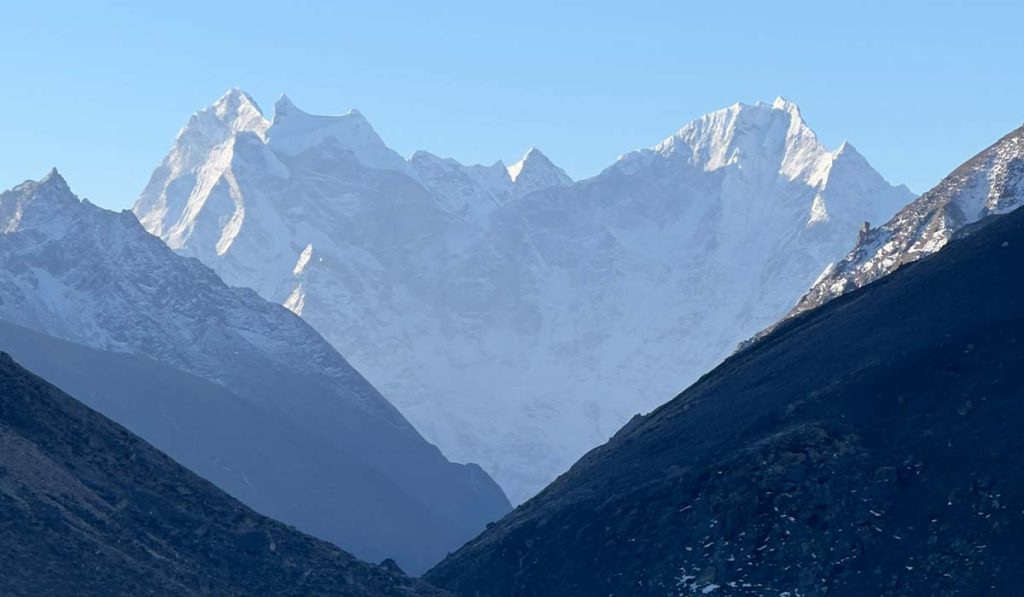
Altitude is the biggest factor by far. Once you go above Namche Bazaar, your body starts working harder even when the trail looks manageable. Sleep can become lighter, appetite may drop, and simple uphill walking can feel surprisingly tiring. This is normal, but it also means trekkers need to respect acclimatization days and avoid rushing.
The second challenge is daily effort. Unlike a short day hike, this trek asks your body to perform again and again over a week or more. Some days involve steady uphill walking for hours. Even if each day feels manageable on paper, fatigue can build over time, especially if you are not used to multi-day trekking.
Weather is another factor. In peak seasons, the trail is usually in good condition, but cold temperatures, wind, snow, or rain can make sections feel much harder. Early morning climbs, especially up Gokyo Ri, can be very cold. In late autumn, winter, or early spring, icy sections may slow your pace and demand more caution.
Then there is the effect of remoteness. You are not hiking with city comforts nearby. Facilities are basic at higher elevations. A poor night of sleep, dehydration, a mild headache, or reduced appetite can affect your energy more than expected.
Fitness level needed for Gokyo Lakes
You do not need to be an athlete to complete this trek, but you do need solid walking fitness. A good benchmark is being comfortable hiking for five to seven hours in a day, including uphill sections, while carrying a light daypack.
If you already do regular hiking, trail walking, running, cycling, or gym training, you are in a good position. If you are starting from low fitness, the trek will feel much harder. In that case, it is wise to spend at least eight to twelve weeks preparing before arrival.
The most useful training is simple and consistent. Long walks, stair climbing, leg strength work, and cardio all help. The goal is not speed. The goal is to build steady endurance so your body can handle repeated days on the trail.
Mental approach matters too. Trekkers who do well in Gokyo are usually the ones who accept a slow pace, drink enough water, eat properly, and listen to their guide or body. Strong fitness helps, but patience at altitude matters just as much.
Is the Gokyo Lakes Trek harder than Everest Base Camp?
This is a common question, and the answer depends on what you compare.
If you compare the standard Gokyo route to the standard Everest Base Camp route, they are fairly similar in overall difficulty. Both involve high altitude, multiple trekking days, basic teahouse accommodation, and a real need for acclimatization. Everest Base Camp reaches a slightly higher sleeping and trekking profile in some itineraries, while Gokyo includes its own major challenge with the climb to Gokyo Ri.
Many trekkers find Gokyo slightly more comfortable psychologically because the route is quieter. Others find it just as hard physically because altitude affects them the same way regardless of how busy the trail is. If you combine Gokyo with Cho La Pass and Everest Base Camp, that combined route is definitely harder than doing Gokyo alone.
So if you are choosing Gokyo because you think it is easy, that is the wrong expectation. If you are choosing it because you want a spectacular Everest-region trek with fewer crowds and a strong but manageable challenge, that is much closer to reality.
Which part feels hardest for most trekkers?
For many people, the hardest part is the ascent beyond Dole and Machhermo toward Gokyo, where the altitude becomes more noticeable and the landscape feels more exposed. The trail is not extremely steep the whole way, but breathing becomes harder, recovery takes longer, and your pace naturally slows.
The climb to Gokyo Ri is often the toughest single effort of the trek. It is usually done early in the morning for the best views, which means cold temperatures and a steep uphill climb at over 5,000 meters. Even strong trekkers often need to stop frequently. That is completely normal.
The return journey can also be tiring in a different way. Descending is easier on breathing, but long downhill sections can be tough on knees and ankles, especially if you are already fatigued.
Trail conditions and technical difficulty
The Gokyo Lakes Trek is not technically difficult in normal conditions. Most of the trail follows established trekking paths through villages, forests, river valleys, and alpine terrain. There are rocky sections and uneven paths, but nothing that requires climbing techniques.
That said, non-technical does not mean effortless. Loose stones, dusty paths, icy mornings, and occasional snow can change how demanding the trek feels. The section across the Ngozumpa Glacier area near Gokyo can feel rougher and more tiring than lower trails because of the rocky terrain and altitude.
For first-time trekkers in Nepal, this matters. You do not need to fear the trail, but you should arrive expecting mountain walking, not a smooth hiking track.
Who can do it safely?
Most healthy trekkers can do the Gokyo Lakes Trek safely if they prepare properly and follow a sensible itinerary. Age by itself is not the deciding factor. Fitness, pacing, and acclimatization are much more important.
First-time trekkers often complete Gokyo successfully when they give themselves enough days and avoid trying to prove something on the mountain. Experienced hikers may move more confidently on the trail, but even they are not immune to altitude sickness.
The trek may not be suitable for someone with unmanaged heart or lung conditions, very low fitness, or a schedule that forces rapid ascent. Anyone with medical concerns should get proper advice before trekking at high elevation.
A guided trek adds real value here. Good local guides do much more than show the route. They watch for altitude symptoms, manage pace, adjust plans when needed, and help make sound decisions in changing mountain conditions. That kind of field judgment can make a major difference.
How to make the trek feel easier
The best way to reduce difficulty is to build in proper acclimatization and avoid rushing. A slightly longer itinerary is often the smartest decision. It gives your body time to adjust and makes the experience more enjoyable.
Start training before you arrive. Focus on endurance rather than speed. Bring well-broken-in boots, layer properly for cold mornings, and keep your daypack light. Drink more water than you think you need, and keep eating even when altitude reduces your appetite.
Perhaps most importantly, walk slowly from the beginning. Many trekkers make the mistake of feeling strong at lower elevations and moving too fast. In the Everest region, steady and controlled always works better than fast and ambitious.
So, how difficult is the Gokyo Lakes Trek? It is hard enough to require respect, preparation, and a realistic mindset, but for trekkers who plan well, pace well, and give altitude the attention it deserves, it is one of the most rewarding routes in the Himalayas.