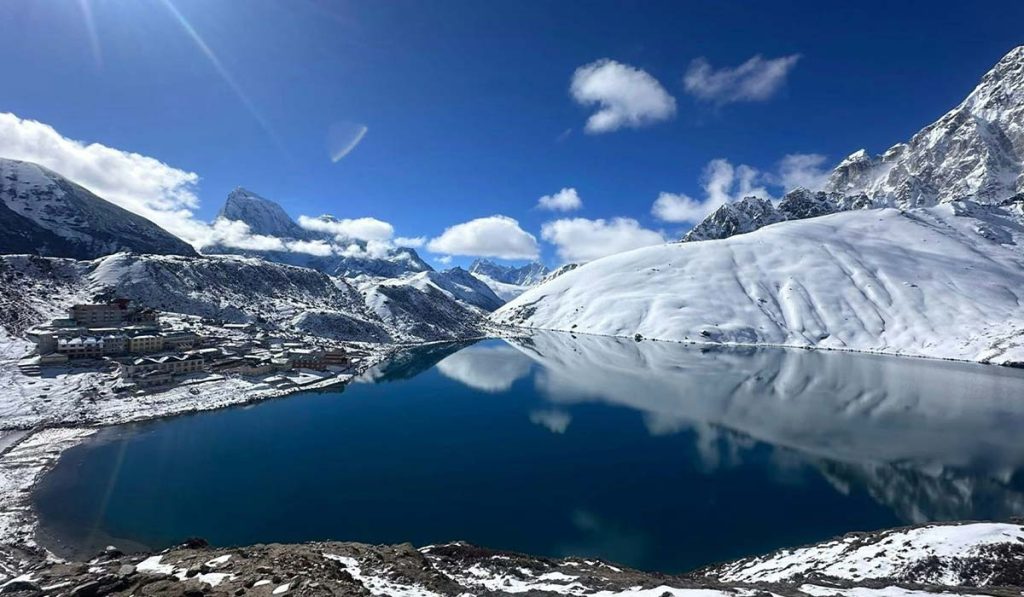
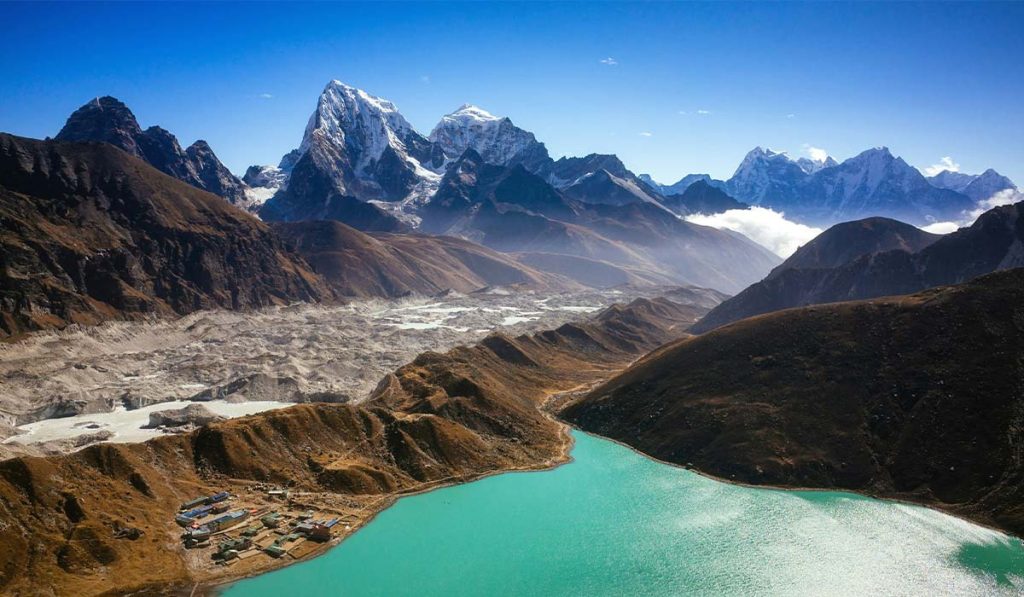
The gokyo lakes trek difficulty catches many trekkers off guard for one reason: the trail itself is usually not technical, but the altitude makes ordinary uphill walking feel much harder than expected. If you are comparing it with other Nepal treks, that distinction matters. Most reasonably fit hikers can complete the route with proper acclimatization, but it is not a casual mountain walk.
This is a trek where the challenge builds gradually. The paths are generally clear, teahouses are well established, and there is no need for climbing skills. What makes it demanding is the combination of multiple long walking days, repeated elevation gain, cold conditions, and the thin air above 13,000 feet.
How difficult is the Gokyo Lakes Trek?
For most trekkers, the Gokyo Lakes Trek sits in the moderate to moderately difficult range. It is harder than low-altitude hill treks in Nepal, but usually a little more manageable than routes that combine very high passes with shorter acclimatization schedules.
A big reason is that the core Gokyo route allows a more progressive ascent. You gain elevation over several days through the Khumbu Valley before reaching Gokyo. That helps, but it does not remove the altitude problem. By the time you sleep at Gokyo, you are at about 15,580 feet, which is high enough that even strong hikers often notice reduced appetite, slower pace, and heavier breathing.
If your idea of difficulty is steep scrambling or exposure, this trek may feel less intimidating than you expect. If your idea of difficulty is sustained effort at high elevation for a week or more, it is a serious undertaking.
What makes gokyo lakes trek difficulty harder than expected?
The first factor is altitude. This is the main issue on the trek and the one that deserves the most respect. You can be fit, experienced on day hikes, and still struggle once you sleep above 11,500 to 13,000 feet. Acute mountain sickness does not care much about gym performance.
The second factor is cumulative fatigue. Daily walking often falls in the 5 to 7 hour range, though some days can be shorter and summit side trips can make them longer. None of that sounds extreme on paper, but several days in a row at altitude feels different than a single hard hike at home.
The third factor is the terrain underfoot. Most of the route follows established trekking trails, but that does not mean flat or easy. You will deal with stone steps, uneven rocky paths, glacial sections near the upper valley, and frequent ascents and descents that chip away at energy.
Weather adds another layer. In peak trekking seasons, trail conditions are usually favorable, but mornings can be very cold, winds can be strong around Gokyo and Gokyo Ri, and cloud cover can make already tiring days feel more draining. In shoulder or winter conditions, difficulty rises quickly.
Altitude is the real test
If there is one part of the Gokyo Lakes Trek to take seriously, it is the sleeping altitude and the rate of ascent. Trekkers often focus on the famous turquoise lakes and Gokyo Ri, but the body is focused on oxygen availability.
A typical itinerary includes nights in places such as Namche Bazaar, Dole, Machhermo, and Gokyo. That progression is helpful, especially when built around an acclimatization day in Namche. Some itineraries also use another acclimatization buffer higher up, which can make a major difference for trekkers coming from sea level.
The risk is not only severe altitude illness. More commonly, poor acclimatization leads to headaches, bad sleep, nausea, fatigue, and a sharp drop in walking pace. Those symptoms can turn a scenic trek into a grind. In practical terms, the trek becomes much easier when the itinerary is conservative and much harder when people try to rush it.
How fit do you need to be?
You do not need to be an elite athlete for this route, but you do need reliable hiking endurance. A good baseline is being able to handle full-day hikes with sustained uphill effort while carrying a daypack, then repeat that effort on consecutive days.
For many US travelers, the right comparison is not a single challenging weekend hike. It is whether you can walk 6 hours, recover, and do it again several times in a row. If you can comfortably manage steep hikes at home and maintain a steady pace without long rest breaks, you are in a good starting position.
Leg strength matters, but aerobic capacity matters more. The stronger your cardiovascular base, the easier it is to move efficiently at altitude. Still, no level of fitness replaces acclimatization. Fit trekkers sometimes push too hard early, which can backfire above Namche.
Is the Gokyo Lakes Trek good for beginners?
Yes, but with conditions. It can be suitable for first-time trekkers in Nepal if they prepare well, choose a sensible itinerary, and understand that high altitude changes the experience. It is not the best option for someone with no hiking background who wants to improvise fitness on the trail.
A beginner who regularly hikes, trains in advance, and respects the pace of the mountains can do well here. A beginner who underestimates altitude, packs poorly, or tries to save time with an aggressive itinerary may find the trek much harder than expected.
That is why the route often works best for motivated first-time Himalayan trekkers who want a big objective but are willing to prepare properly. It rewards patience more than toughness.
Which day feels hardest?
For many trekkers, the hardest day is the ascent to Gokyo Ri. The trail is straightforward, but it is steep and done at very high altitude. Even a short climb can feel punishing when every 20 or 30 steps demands a pause.
The approach to Gokyo can also feel tougher than expected, especially if energy has been fading for a few days. The upper valley is more exposed, wind can be a factor, and the final approach is often slower than trekkers anticipate.
If your itinerary includes Cho La Pass or an Everest Base Camp extension, difficulty increases significantly. At that point, you are no longer judging the standard Gokyo route alone. You are adding a much more demanding high-pass or longer high-altitude circuit.
Season changes the difficulty level
In spring and fall, the trek is most manageable. Trails are busier, but weather windows are generally better, visibility is stronger, and teahouse operations are more predictable. Even then, temperatures at higher elevations can be harsh, especially at night and during early starts.
In winter, the same route can become much harder because of snow, ice, colder mornings, and more demanding logistics. In the monsoon period, wet trails, reduced mountain views, and flight disruptions can complicate the trip. So when someone asks about gokyo lakes trek difficulty, the right answer always includes the season.
How to make the trek feel easier
The best way to reduce difficulty is to build in enough time. A conservative itinerary gives your body a chance to adapt and gives you margin if weather, fatigue, or minor symptoms slow you down.
Training should focus on uphill hiking, aerobic conditioning, and time on your feet. Stair climbing, incline treadmill sessions, and long weekend hikes are useful because they reflect the repetitive effort of trekking in Nepal better than short, intense workouts.
Pacing matters on the trail. Walk slower than your ego wants to. Eat even when altitude dulls your appetite. Drink consistently. Sleep warm. Keep your daypack light but not underprepared. Small decisions make a noticeable difference once you are above Machhermo.
Travelers who want additional support often find that a guide improves the experience. Not because the route is hard to follow in a technical sense, but because local pacing, acclimatization judgment, logistics support, and early response to altitude issues reduce the overall strain.
Is it harder than Everest Base Camp?
That depends on the itinerary. The standard Gokyo route is often seen as similar in overall challenge to Everest Base Camp, with some trekkers finding Gokyo slightly easier because of the route structure and others finding it harder because of the steep Gokyo Ri climb and high sleeping elevation.
The bigger difference is style. Everest Base Camp can feel more crowded and more straightforward in terms of route expectations. Gokyo often feels quieter and, for some trekkers, more remote. But from a physical standpoint, both are high-altitude treks that demand respect.
If you add Cho La Pass between the two routes, that combined trek is clearly harder than either standard version on its own.
Who should think twice?
Trekkers with limited hiking background, very tight travel schedules, or a history of struggling at altitude should plan carefully before choosing this route. The same goes for anyone assuming that general fitness alone will carry them through.
It may also be the wrong trek for travelers who dislike cold, basic accommodation, or long consecutive walking days. None of those are deal breakers, but they affect perceived difficulty more than people expect. Mental comfort and flexibility matter in the Khumbu.
The Gokyo Lakes Trek is demanding in a very specific way. It asks for patience, steady fitness, and respect for altitude rather than technical mountain skills. If you prepare for those realities, the route is achievable for many trekkers and far more enjoyable than if you simply try to gut it out. That is usually the difference between a hard trip and a well-managed one.