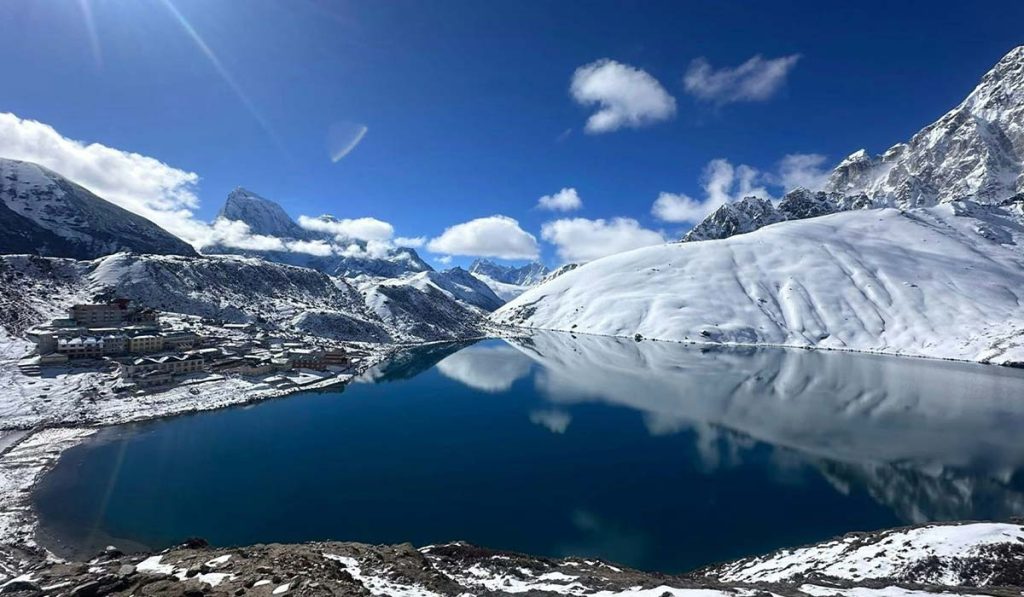
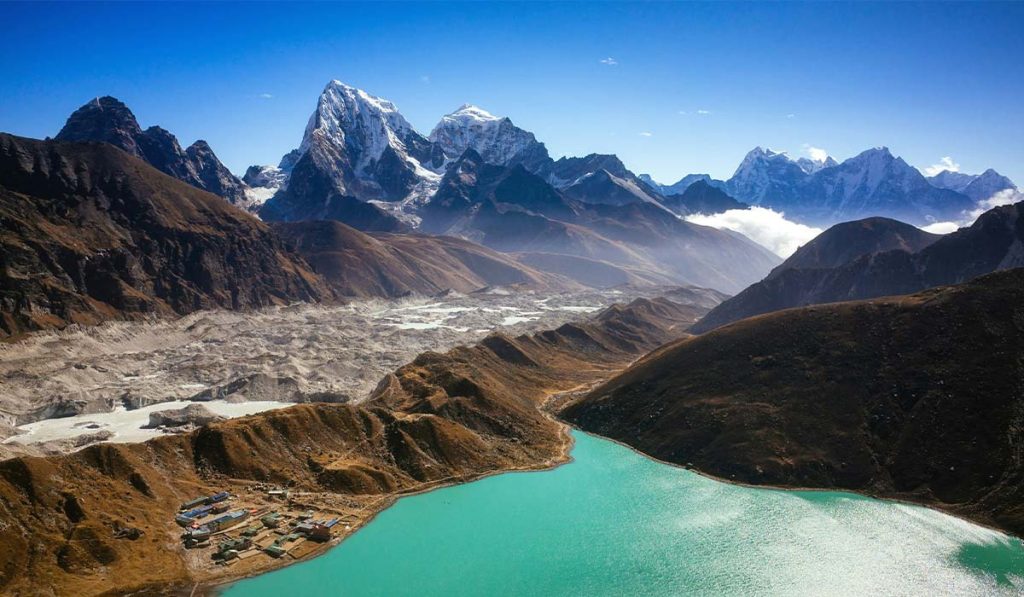
Most trekkers worry about altitude on the Gokyo route, but the bigger problem usually starts much earlier – arriving in Nepal undertrained. A good Training Plan for the Gokyo Lakes Trek is not about becoming an athlete. It is about building the stamina, leg strength, and recovery capacity to enjoy long uphill days, sleep better at altitude, and keep enough energy for the climb to Gokyo Ri.
The Gokyo Lakes Trek is often described as a quieter alternative to Everest Base Camp, but that does not mean it is easy. You are still walking for multiple days in the Khumbu, usually reaching above 5,000 meters, often on steep trails with long ascents and descents. If your preparation is poor, even a beautiful day from Machhermo to Gokyo can feel much harder than it should.
What makes the Gokyo Lakes Trek physically demanding
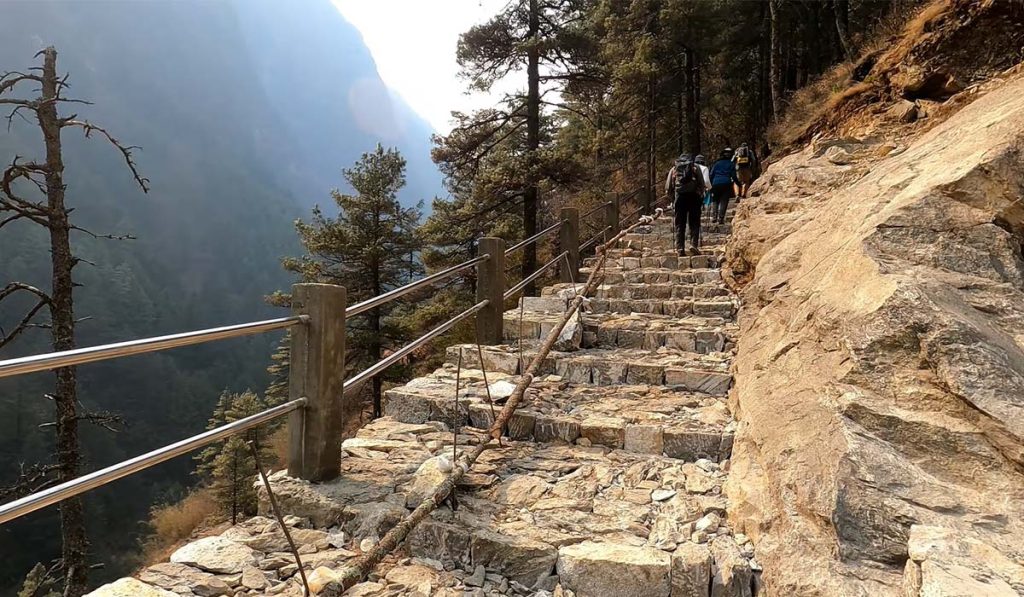
This trek challenges people in a few different ways at once. First, there is duration. You may be walking five to seven hours on many days, and a few sections can feel longer if the weather, trail conditions, or your pace slow things down. Second, there is elevation gain. Even if the trail is technically straightforward compared with climbing peaks, repeated uphill walking at altitude puts real stress on your lungs and legs.
The third factor is recovery. At sea level, many people can push through fatigue and feel normal again after a good sleep. In the Everest region, recovery is slower. Your appetite may drop, sleep can be lighter, and dehydration happens more easily than people expect. That is why training should not only improve fitness. It should also teach your body to handle back-to-back effort.
How fit do you need to be for this trek?
You do not need mountaineering experience, and you do not need to run marathons. But you should be able to walk uphill for several hours, repeat that effort over consecutive days, and stay comfortable carrying a light daypack. If you can complete a full day hike with steady climbs and still feel functional the next morning, you are moving in the right direction.
For most trekkers, the best benchmark is not speed but consistency. A person who trains four days a week for three months usually performs better on this trail than someone who trains hard for two weeks and then stops. The Gokyo route rewards steady preparation.
Training Plan for Gokyo Lakes Trek: a 12-week approach
Twelve weeks is a realistic window for most people. If you already hike regularly, you may need less. If you are starting from low fitness, give yourself more time. The goal is to build gradually without injury.
Weeks 1 to 4: Build your aerobic base
In the first month, focus on regular cardio and simple leg strength. You want your heart and lungs to become more efficient before adding harder uphill sessions. Brisk walking, treadmill incline walking, cycling, stair climbing, or easy jogging all work well. Aim for three cardio sessions each week, around 45 to 60 minutes each.
Add two strength sessions per week. Keep them basic but useful: squats, lunges, step-ups, calf raises, glute bridges, and planks. You do not need heavy weights. Controlled movement and good form matter more. At this stage, one longer weekend walk of 90 minutes to two hours is enough.
If you live in a flat area, use stairs or a treadmill with incline. Many trekkers underestimate how much uphill walking changes the demand on the body. Flat walking alone is rarely enough for Himalayan trekking.
Weeks 5 to 8: Add climbing strength and hiking volume
This is where training starts to feel more specific. Continue your aerobic work, but make one session each week more demanding. That could mean hill repeats, stair intervals, or a treadmill incline session with a loaded daypack. Keep the effort steady rather than all-out. Trekking is about sustained output, not sprinting.
Your long walk should now become a proper hike if possible, ideally two to four hours with elevation gain. If you can train on trails, even better. Uneven ground teaches balance and foot placement, which helps on rocky sections around the Gokyo valley.
Strength training should continue twice a week. This is the stage where step-ups become especially valuable. They closely mimic the movement pattern of trekking uphill. Single-leg exercises also help, because trails rarely load both legs evenly.
By the end of week eight, many trekkers should be comfortable doing two active days back to back, such as a Saturday hike and a Sunday incline walk. That back-to-back work is one of the best ways to prepare for the rhythm of the trek.
Weeks 9 to 10: Make it trek-specific
Now your training should look more like the challenge ahead. Keep one moderate cardio session, one hard uphill session, two strength sessions, and one long hike each week. During long hikes, wear the same boots or trail shoes you plan to use in Nepal if they are already broken in. Carry the same pack weight you expect on daily trekking walks, usually light but not empty.
Practice pacing. Many first-time trekkers make the mistake of training only at fast effort, then struggle to find a sustainable mountain rhythm. On the Gokyo route, slow and steady is usually the right pace. During this phase, spend time hiking at a pace where you can still speak in short sentences.
If possible, include one hike lasting four to six hours. You do not need to do this every weekend, but at least once or twice before the trek is useful. It builds confidence as much as fitness.
Weeks 11 to 12: Taper without losing momentum
In the final two weeks, reduce volume slightly but keep your routine active. You are not trying to gain major fitness now. You are arriving fresh, healthy, and ready to acclimatize well. Shorter cardio sessions, one moderate hill workout, one lighter strength session, and an easy weekend hike are enough.
Avoid last-minute heroic efforts. A hard workout that causes fatigue, sore knees, or a minor injury just before departure helps no one.
The most important training sessions
If your schedule is busy and you cannot do everything, prioritize four things: one long hike or walk each week, one uphill session, two short strength sessions, and general weekly movement. That combination covers the demands of this trek better than random gym work.
Long hikes build endurance and confidence. Uphill sessions prepare your lungs and legs for climbing days. Strength work protects your knees, hips, and lower back, especially on descents. General movement, even easy walking on non-training days, supports recovery and consistency.
Strength training that actually helps on the trail
Many trekkers ask whether gym machines are enough. They can help, but functional movements are usually better. The trail asks you to step upward, stabilize on uneven surfaces, and control your body on descents. Exercises that mirror those demands are more useful than isolated muscle work alone.
The best choices are step-ups, split squats, walking lunges, Romanian deadlifts, calf raises, and core work such as planks or loaded carries. Descending from Gokyo Ri or dropping down rocky sections can be harder on the legs than the climb up, so eccentric leg strength matters. Slow lowering in squats and step-downs can prepare you well for that.
Can you train for altitude?
You cannot fully simulate high altitude unless you have access to specialized environments, and most trekkers do not. What you can do is arrive with better cardiovascular fitness, healthy iron levels, good hydration habits, and realistic expectations. Fitness helps, but it does not make anyone immune to altitude sickness.
That is the key trade-off many people miss. A very fit trekker can still get acute mountain sickness. A moderately fit trekker with a sensible itinerary and disciplined pacing may do much better. So your training plan should support altitude adaptation, not make you overconfident.
Common mistakes in a Gokyo trek training plan
The most common mistake is doing too much too late. The second is focusing only on cardio and ignoring leg strength. The third is never training with hills or stairs. And one more mistake is training hard while carrying a heavy pack every session. On the actual trek, your daily pack is usually manageable, so there is no need to overload your joints for months.
Another issue is body care. Mobility, sleep, and recovery are often neglected. Tight calves, stiff hips, and poor ankle mobility can turn a reasonable trekking day into an uncomfortable one. Ten minutes of mobility work after training is simple and worth doing.
Final prep in the last month before Nepal
As your departure approaches, start matching your training to the real trip. Test your footwear. Walk in the socks you will use on the trail. Practice drinking water regularly during long sessions. If you use trekking poles, learn the rhythm before arrival, not on the first steep descent.
It also helps to train mentally for patience. The Gokyo Lakes Trek is not won by strength alone. It is completed by steady pacing, sensible acclimatization, and respect for the mountain environment. If you arrive with a solid fitness base and realistic expectations, the trail feels far more rewarding.
For most trekkers, that is the real purpose of training – not just to finish the route, but to have enough strength left to enjoy the turquoise lakes, the wide Ngozumpa Glacier, and the sunrise view from Gokyo Ri.