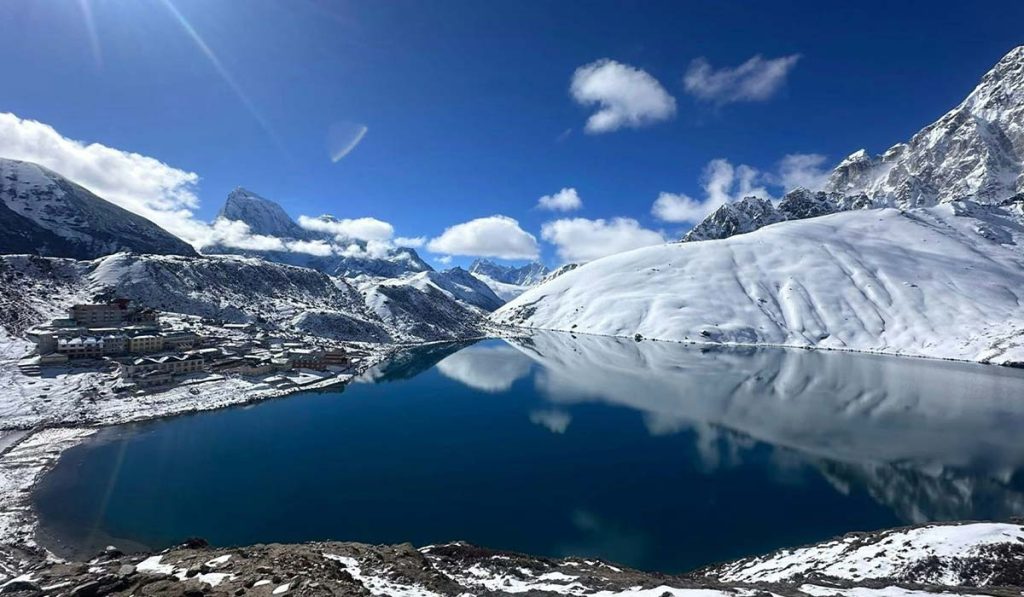
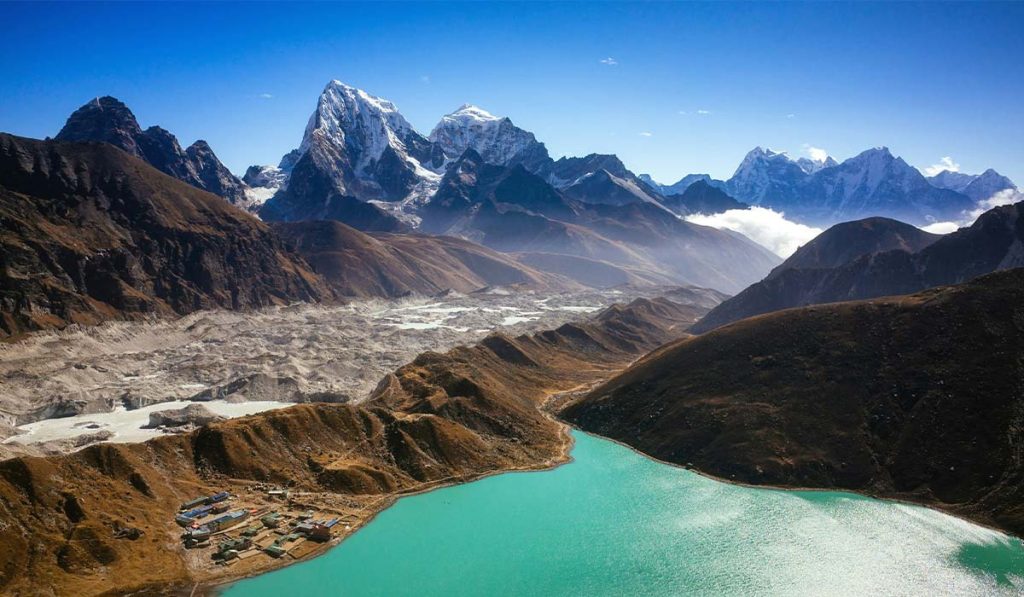
A helicopter evacuation in the Everest region can cost far more than most trekkers expect, and that is exactly why Travel Insurance for Gokyo Lakes Trek should be sorted before you land in Nepal, not after you reach Lukla. Gokyo is one of the most beautiful treks in the Khumbu, but it also involves high altitude, changing mountain weather, flight disruptions, and limited medical access. Good insurance is not just paperwork for this route. It is part of your safety plan.
The mistake many trekkers make is buying a cheap general travel policy and assuming it covers Himalayan trekking. Often, it does not. Some policies exclude trekking above a certain altitude. Others cover medical treatment but not helicopter rescue. Some require prior approval before evacuation, which is not always realistic in a remote mountain situation.
Why insurance matters on the Gokyo route
The Gokyo Lakes Trek is not technical climbing, but it is still a serious high-altitude journey. Most itineraries take you well above 4,000 meters, and Gokyo Ri rises to about 5,357 meters. That elevation alone changes the insurance conversation.
At sea level, a twisted ankle or stomach illness is usually inconvenient. In the Khumbu, the same issue can end a trek quickly because walking out may take days. Add snow, ice, altitude sickness, or poor visibility, and evacuation may be the safest option. In those moments, the value of a proper policy becomes very real.
Weather is another reason. Flights to and from Lukla are frequently delayed or canceled, especially in busy trekking seasons or when mountain conditions shift. If your policy includes trip interruption, missed connections, and extra accommodation, it can save both money and stress.
What Travel Insurance for Gokyo Lakes Trek should cover
The most important detail is altitude coverage. Do not assume “trekking in Nepal” is enough. Your policy should clearly state that trekking up to at least 5,500 meters is covered, since the route includes Gokyo Ri and many trekkers combine the trek with Cho La Pass or other higher points depending on the itinerary.
Emergency helicopter evacuation is equally important. In the Everest region, helicopter rescue is often the fastest and safest way to remove a sick or injured trekker. Your policy should include search, rescue, and air evacuation in remote mountain areas. Read the wording carefully. Some insurers use these terms differently, and some set low payout limits that may not cover the actual cost.
Medical treatment coverage should include hospitalization, doctor consultations, diagnostic tests, and emergency medication. In Kathmandu, treatment options are better. In the mountains, care is more limited, so evacuation to a larger center is sometimes necessary even for conditions that seem manageable at first.
Trip cancellation and interruption are also worth having, especially if your trek involves international flights, domestic flights, hotel bookings, and guide or porter arrangements. If illness, injury, airline issues, or severe weather force a major change, this part of the policy can help recover non-refundable costs.
Baggage and gear coverage matters too, but it should not be the main reason you choose a plan. Trekking gear is expensive, and delayed bags can disrupt your departure, but medical and evacuation coverage should always come first.
The clauses trekkers often miss
Many insurance problems come from exclusions buried in the policy wording. High altitude is the most common one. Some insurers cover hiking only up to 3,000 meters or 4,000 meters unless you buy an adventure sports upgrade. If you do not check this in advance, you may discover the problem only after filing a claim.
Another common issue is the definition of trekking itself. Some companies treat all Himalayan trekking as a hazardous activity. Others separate non-technical trekking from mountaineering. The Gokyo Lakes Trek is generally considered a trek, not an expedition climb, but your insurer must still list it as covered.
Pre-existing medical conditions are another area to review closely. If you have asthma, heart concerns, diabetes, or any condition that could be affected by altitude, disclose it honestly. Undeclared conditions can lead to denied claims, even when the illness or evacuation feels unrelated in the moment.
Alcohol and negligence clauses matter as well. If a claim is connected to reckless behavior, the insurer may reject it. That does not mean trekkers need to worry excessively. It simply means you should treat the trek seriously and follow safe mountain practices.
How much coverage is enough?
For a trek in the Everest region, low-limit policies are risky. Helicopter rescue, emergency treatment, and onward travel changes can add up quickly. A policy with strong emergency medical and evacuation limits is usually the safer choice than one focused mainly on luggage or minor travel inconveniences.
If you are comparing plans, look beyond the total headline number and focus on specific limits for emergency evacuation, high-altitude trekking, and medical care. A cheaper policy may look similar on the surface but fail where it matters most.
There is also a practical point here. In some emergencies, service providers may want proof that your insurer can pay. Carrying your insurance certificate, emergency contact details, and policy number in both digital and printed form makes the process easier.
Choosing the right policy for Nepal trekking
The best policy is not always the most expensive one. It is the one that clearly covers your actual itinerary. Before buying, confirm five things: the maximum covered altitude, whether trekking in Nepal is included, whether helicopter evacuation is included, whether trip delays and cancellations are included, and whether pre-existing conditions are covered if relevant.
It is also wise to check whether the insurer has a 24-hour emergency assistance team that can coordinate from abroad. In mountain emergencies, fast communication matters. You do not want to discover that support is only available during office hours in another time zone.
If you are trekking with a guide or agency, share your insurance details before departure. This saves time if an emergency happens. Experienced trekking operators in Nepal have seen how quickly a small health issue can turn into a logistical problem at altitude.
When insurance becomes especially important
Some trekkers are young, fit, and experienced, and they assume they can take more risk. Fitness helps, but it does not remove the need for insurance. Altitude illness can affect strong trekkers. Weather can delay anyone. Slippery trails do not care how many marathons you have run.
Insurance becomes even more important if you are trekking in shoulder season, combining Gokyo with Everest Base Camp or Cho La Pass, carrying expensive camera gear, or traveling on a tight international schedule. The more moving parts your trip has, the more useful comprehensive coverage becomes.
It is also worth taking seriously if this is your first trek in Nepal. First-time trekkers often focus on packing, permits, and training, but not enough on worst-case planning. Insurance is part of that preparation, just like acclimatization and route planning.
How to use your policy properly on the trek
Buying insurance is only half the job. You also need to know how to use it. Save the emergency assistance number on your phone, keep a printed copy in your daypack, and make sure your trekking partner or guide knows where it is.
If you get sick or injured, inform your guide early rather than waiting until the condition becomes severe. Many insurance claims go more smoothly when there is clear documentation from the beginning. That means reporting symptoms, getting assessed when possible, and following the advice of medical professionals and trekking staff.
Keep receipts for treatment, transport, accommodation changes, and flight disruptions. Take photos of key documents if needed. Claims are easier when your records are complete.
A practical way to think about the cost
Some trekkers hesitate when they see the price of a strong high-altitude policy. That is understandable, especially after paying for flights, permits, gear, and the trek itself. But compared with the total cost of a Himalayan trip, insurance is usually a small percentage of the budget.
More importantly, it protects you from a potentially very expensive problem. On a trek like Gokyo, the question is not whether insurance feels exciting. It is whether you would be comfortable covering an evacuation or major disruption yourself if things go wrong.
The Gokyo Lakes Trek rewards good preparation. The views from Gokyo Ri, the turquoise lakes, and the quieter trails compared with the main Everest Base Camp route make it one of the finest treks in Nepal. Get the right insurance, read the policy carefully, and head into the mountains knowing one important part of your planning is already done.