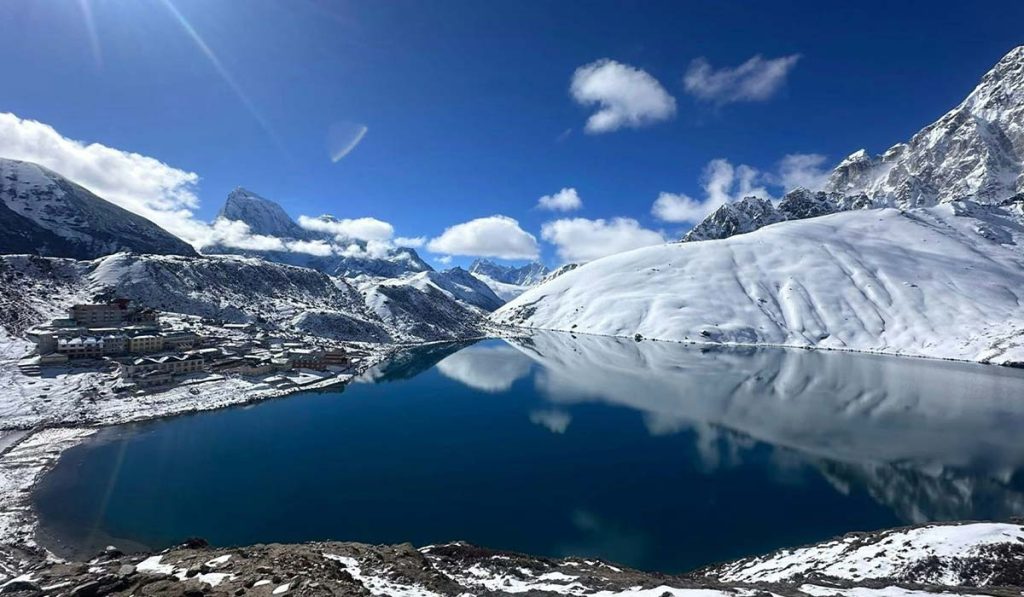
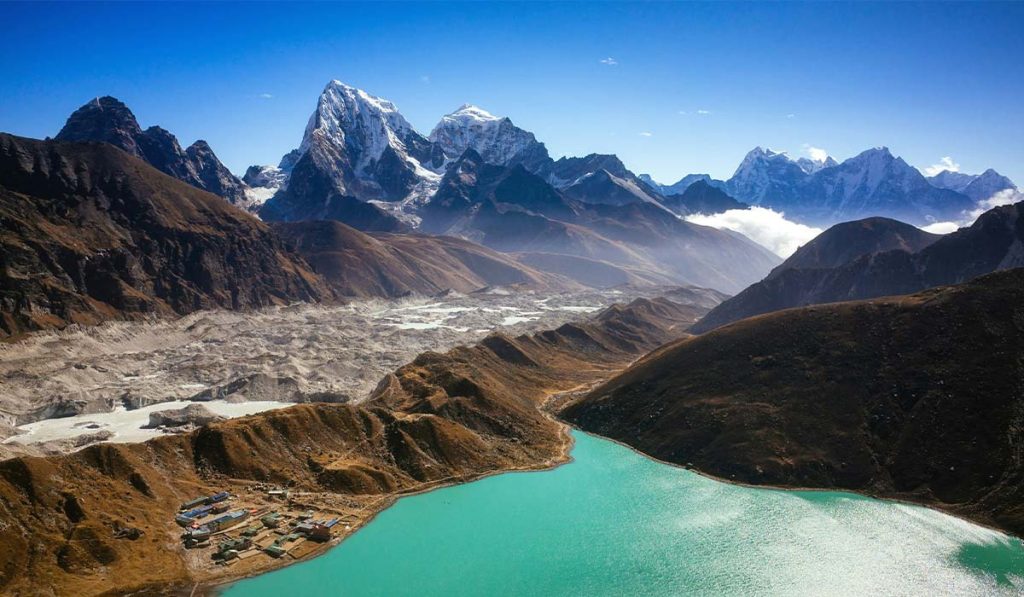
Clear mountain views can make the Gokyo route feel unforgettable. A week of clouds, snow, or haze can make the same trek feel much harder than expected. That is why the Best Time for Gokyo Lakes Trek is not a small detail. It shapes your views from Gokyo Ri, trail conditions around Ngozumpa Glacier, flight reliability to Lukla, and even how comfortable your nights will be in the teahouses.
Gokyo is one of the most rewarding treks in the Everest region, but it is also more exposed to weather changes than many first-time trekkers assume. The route climbs high, nights get cold quickly, and conditions can shift from sunny mornings to snowy afternoons in the shoulder months. If you choose your season well, the trek becomes much smoother to plan and enjoy.
Best Time for Gokyo Lakes Trek by season
For most trekkers, the two best trekking windows are spring, from March to May, and autumn, from late September to November. These months usually offer the best balance of stable weather, open views, manageable trail conditions, and functioning lodges along the route.
That said, the best season also depends on what matters most to you. If you want the clearest skies and crisp mountain visibility, autumn is usually strongest. If you want rhododendron forests in bloom, a slightly quieter trail than peak autumn, and milder daytime temperatures at lower elevations, spring is excellent. Winter is possible for fit and well-prepared trekkers, but cold and snow can complicate the route. Monsoon is usually the least favorable period.
Spring offers color, moderate temperatures, and good visibility
Spring is one of the safest and most practical times to trek to Gokyo. From March onward, temperatures begin to improve, especially at lower and mid-elevations. By April and early May, the trail is lively, teahouses are open, and mountain views are often very rewarding, especially in the morning.
This season is popular for good reason. The forests below Namche can look beautiful with blooming rhododendrons, and daytime walking conditions are usually comfortable. Nights are still cold once you move higher, especially around Machhermo and Gokyo, but they are generally less severe than in winter.
Spring does come with a few trade-offs. As the season moves toward late May, pre-monsoon haze, occasional cloud build-up, and afternoon weather changes become more common. Flights to Lukla can still face delays, and high-altitude weather always needs respect. But overall, spring is a very strong choice for trekkers who want a combination of scenery, comfort, and dependable trail access.
Autumn is the most reliable season for the Gokyo route
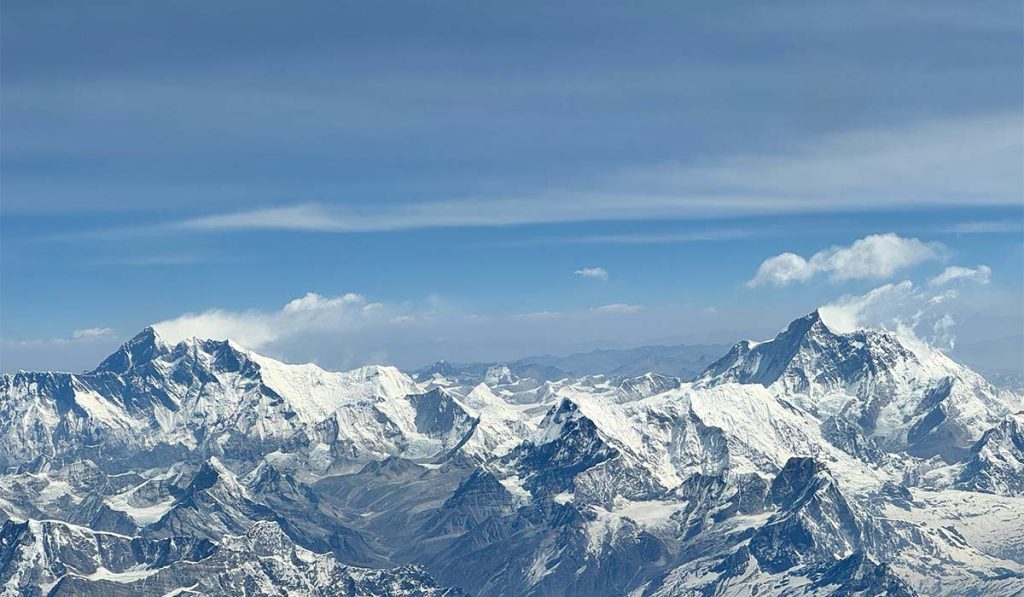
If you ask experienced guides for the safest answer to the Best Time for Gokyo Lakes Trek, many will point to autumn. After the monsoon clears, the air is often cleaner, the skies sharper, and the mountain views more dramatic. This is the season when many trekkers see Everest, Cho Oyu, and the surrounding peaks at their best.
From late September through November, the trail usually stays dry, and temperatures are favorable for walking during the day. October is often considered the peak month because it combines stable weather with excellent visibility. November remains very good, though temperatures begin dropping more noticeably at night.
The main drawback is crowd level. Autumn is the busiest trekking season in the Everest region, and while the Gokyo trail is usually less crowded than the main Everest Base Camp route, popular villages and flights can still be busy. Advance planning becomes more important for accommodation and logistics.
Winter is possible, but only with realistic expectations
December through February is not the ideal season for most trekkers, but it is not impossible. If you have cold-weather trekking experience and are comfortable with basic mountain conditions, winter can offer a quieter and more remote experience.
The biggest advantage is solitude. Trails are much less crowded, and when the weather is clear, the views can be excellent. The air is often sharp and dry, and the landscapes around the frozen lakes can look striking.
But winter also brings the hardest conditions. Nights become severely cold at high altitude. Water sources may freeze, teahouse comfort is limited, and snowfall can affect sections of the route. If conditions are poor, crossing high viewpoints or moving safely around icy stretches can become more difficult. Winter trekkers need flexibility, proper layering, and a realistic understanding that the route may not unfold exactly as planned.
Monsoon is the weakest season for most trekkers
June to early September is usually the least recommended period for Gokyo. Heavy rain affects lower elevations, trails can become muddy and slippery, and cloud cover often blocks mountain views. Flights are also more likely to face delays or disruptions.
Above the tree line, rain often turns into mist, wet snow, or unstable conditions depending on altitude and timing. Leeches are a problem lower down, and the constant damp can wear people down over multiple trekking days.
There are occasional breaks in the weather, and some experienced trekkers still go during this season. But if your goal is to enjoy the lakes, mountain panoramas, and Gokyo Ri properly, monsoon usually gives the lowest return for the effort.
Month-by-month view of the best trekking window
March is a good early spring option if you do not mind colder mornings and nights. Trails are usually quieter than in peak season, and conditions begin improving steadily.
April is one of the strongest months overall. Temperatures are more comfortable, the landscape looks fresh, and visibility is often good. For many trekkers, this is an ideal balance.
May can still work well, especially in the first half, but cloud build-up and pre-monsoon moisture become more likely later in the month.
Late September marks the return of trekking season after the monsoon. Conditions improve, though lingering weather instability can still happen early on.
October is often the single best month for the Gokyo route. Clear skies, stable conditions, and strong visibility make it a favorite.
November is also excellent, especially for those who want slightly lower crowd pressure than October. The trade-off is colder nights at higher elevations.
Weather matters more on Gokyo than many trekkers expect
The Gokyo route is not just about reaching a lake village. Its real reward comes from visibility and high-altitude landscape. If clouds cover the peaks, or if fresh snow makes movement difficult, much of the route loses its impact.
Gokyo Ri is one of the best viewpoints in the Everest region, but it only delivers fully when skies are clear. The same applies to the turquoise lakes and the dramatic setting near Ngozumpa Glacier. This is why season matters so much here. A stable weather window can completely change the quality of the trek.
Another factor is altitude. Gokyo sits above 4,700 meters, and many trekkers go higher for acclimatization walks and viewpoints. Cold, wind, and poor weather feel much stronger at this elevation than they do lower on the trail. A season that looks fine on paper can still feel demanding if you underestimate mountain exposure.
So, when should you go?
If you want the most reliable overall conditions, go in October or November. If you prefer slightly milder temperatures, blooming hillsides, and a very strong second-best season, choose April or early May. Those four periods are the safest recommendations for most people.
Choose autumn if mountain visibility is your top priority. Choose spring if you want a slightly softer feel on the trail and do not mind a bit more variability later in the season. Choose winter only if you are prepared for real cold and possible snow disruption. Avoid monsoon unless your dates are fixed and you fully understand the trade-offs.
For first-time trekkers in the Everest region, spring and autumn remain the smartest choices because they reduce unnecessary weather risk. With a route like Gokyo, good planning does not just make the trek easier. It gives you a much better chance of seeing the route the way people imagine it – bright lakes, wide glacier views, and clear Himalayan mornings that make every steep step worthwhile.