A trek in Nepal can move quickly from warm, busy streets to cold, remote mountain terrain where a simple mistake carries real consequences. So, is Nepal safe? For well-prepared travelers, generally yes. Nepal is a welcoming and established trekking destination, but safety depends far more on your planning, decisions, and route conditions than on a simple countrywide label.
For most visitors, the biggest hazards are not violent crime. They are altitude illness, changing weather, road travel, food and water issues, and underestimating the demands of a Himalayan trek. Treat Nepal as an adventure destination that rewards preparation, not as a place where standard vacation habits will be enough.
Is Nepal Safe for Tourists?
Most international visitors travel around Nepal without serious security incidents. Tourist areas in Kathmandu, Pokhara, Chitwan, and the main trekking regions are accustomed to foreign travelers. Nepali hospitality is a genuine part of the experience, and locals are often quick to help when trekkers are sick, lost, or dealing with disrupted transport.
Petty theft is still possible, especially in crowded markets, on buses, and in busy neighborhoods such as Thamel. Keep your passport, cash, and cards secure, avoid displaying expensive electronics, and use your hotel safe when available. Carry a separate backup card and copies of important documents rather than keeping every essential item in one bag.
Violent crime against tourists is uncommon, but normal personal-safety habits apply. Avoid poorly lit areas late at night, do not leave drinks unattended, and be cautious when accepting rides or invitations from strangers. If a situation feels disorganized or pressured, step away and contact your accommodation or trekking operator for local advice.
Demonstrations and political disruptions
Nepal can experience political demonstrations, strikes, and road blockages. These are usually localized, but they can interrupt traffic in Kathmandu or delay travel between cities. Avoid protest areas, do not photograph confrontations, and build buffer days into your itinerary.
A tight schedule is a safety issue in Nepal. If a delayed domestic flight, road closure, or bad-weather day means you must rush a trek, people are more likely to skip acclimatization days or make poor transport choices. Plan flexibility into both the start and end of your trip.
Trekking Is Where the Main Risks Begin
The mountains are not dangerous simply because they are remote. They become dangerous when weather, altitude, fatigue, and logistics overlap. Routes such as Poon Hill and Mardi Himal may be approachable for fit beginners, while Gokyo Lakes, Langtang, and other higher itineraries require more deliberate acclimatization and stronger endurance.
Altitude illness
Altitude sickness is the most serious health risk on many Nepal treks. It can affect young, old, fit, and experienced hikers. Being able to run a fast mile or hike aggressively at sea level does not protect you from acute mountain sickness.
Headache, nausea, poor appetite, dizziness, unusual fatigue, and poor sleep can be early signs. The appropriate response is to stop ascending, rest, hydrate normally, and monitor symptoms. If symptoms worsen, or if someone develops confusion, loss of coordination, breathlessness at rest, or a persistent cough, descend immediately and seek medical help. Do not try to push through severe symptoms to reach a pass, viewpoint, or booked lodge.
Build gradual ascent into your itinerary, include acclimatization days on high routes, and keep your pace controlled. A guide cannot prevent altitude illness, but an experienced guide can recognize concerning symptoms early, manage the itinerary conservatively, and organize descent when needed.
Weather, cold, and trail conditions
Mountain weather changes fast. A clear morning can become rain, snow, wind, or cloud by afternoon, particularly at higher elevations. During monsoon season, heavy rain can create slippery trails, leeches at lower elevations, landslides, and flight disruptions. Winter brings clearer views in many areas but colder nights, snow-covered passes, and occasional route closures.
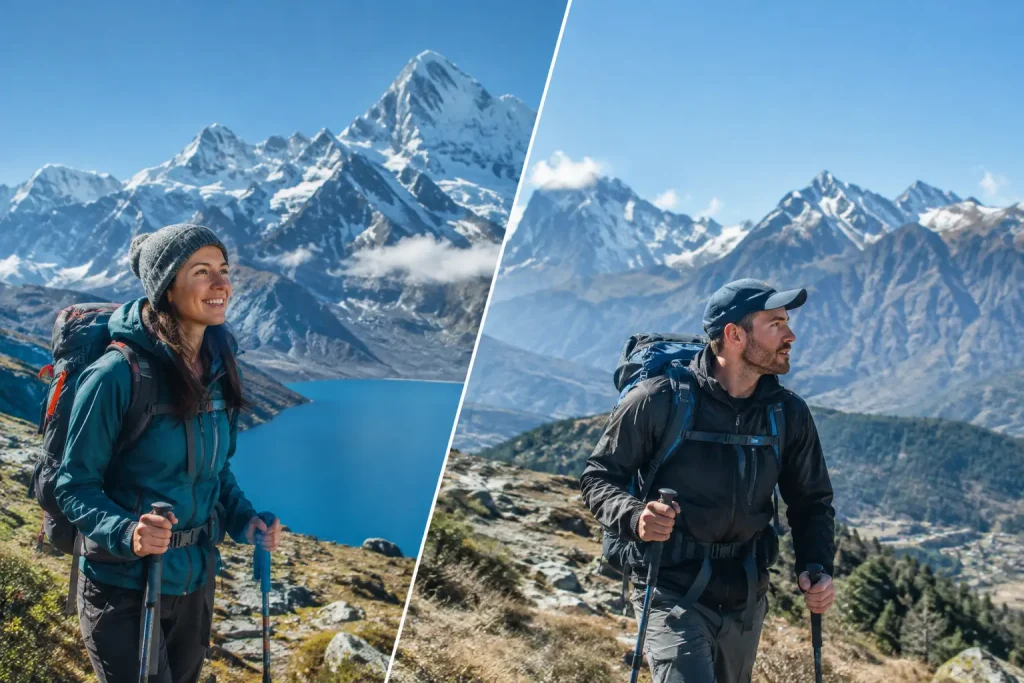
Bring layers that work when you are moving and when you stop. A waterproof shell, insulating layer, gloves, warm hat, reliable headlamp, and dry socks are practical safety equipment, not optional extras. Trekking poles can reduce falls on steep, muddy, or icy descents.
Do not rely entirely on your phone for navigation or weather updates. Battery life drops in the cold, charging may be limited, and coverage can disappear beyond villages. Carry a power bank, offline maps, and enough cash for an extra night or two if conditions delay you.
Going independently or with a guide
Independent trekking can work on popular, well-marked routes when regulations, seasonal conditions, and your skills allow it. But it is not automatically the safer or cheaper choice once you account for itinerary mistakes, navigation pressure, and the lack of local support during illness or bad weather.
A guide is especially worth considering if this is your first high-altitude trek, you are traveling alone, you plan to trek in shoulder season, or you are attempting a longer route with high passes. Guides can handle permits, lodge communication, route changes, and evacuation coordination while allowing you to focus on your pace and health. Trekking rules and permit procedures can change, so confirm current requirements before finalizing an independent plan.
Transportation Requires Extra Caution
Road travel is often the part of Nepal that surprises first-time visitors. Roads can be narrow, crowded, unpaved in sections, and affected by rain or landslides. Journey times are variable, even between well-known destinations.
Choose reputable tourist buses or private drivers where your budget allows, wear a seat belt whenever one is provided, and avoid overnight road travel when possible. Do not schedule an international departure immediately after a long overland journey from a trekking region.
Domestic mountain flights are useful but weather-dependent. Delays and cancellations are common on routes serving Himalayan trailheads. This is a normal operational reality, not necessarily a sign that an airline is unsafe. Keep several days of flexibility and never make a same-day connection from a mountain airport to an international flight.
Food, Water, and Medical Preparation
Traveler’s diarrhea can derail a trek quickly, especially if dehydration and altitude are involved. Drink treated, filtered, or sealed water; be selective with raw foods; and choose meals that are freshly cooked and served hot. On the trail, regular carbohydrate-rich meals and safe fluids are usually more useful than trying unfamiliar supplements.
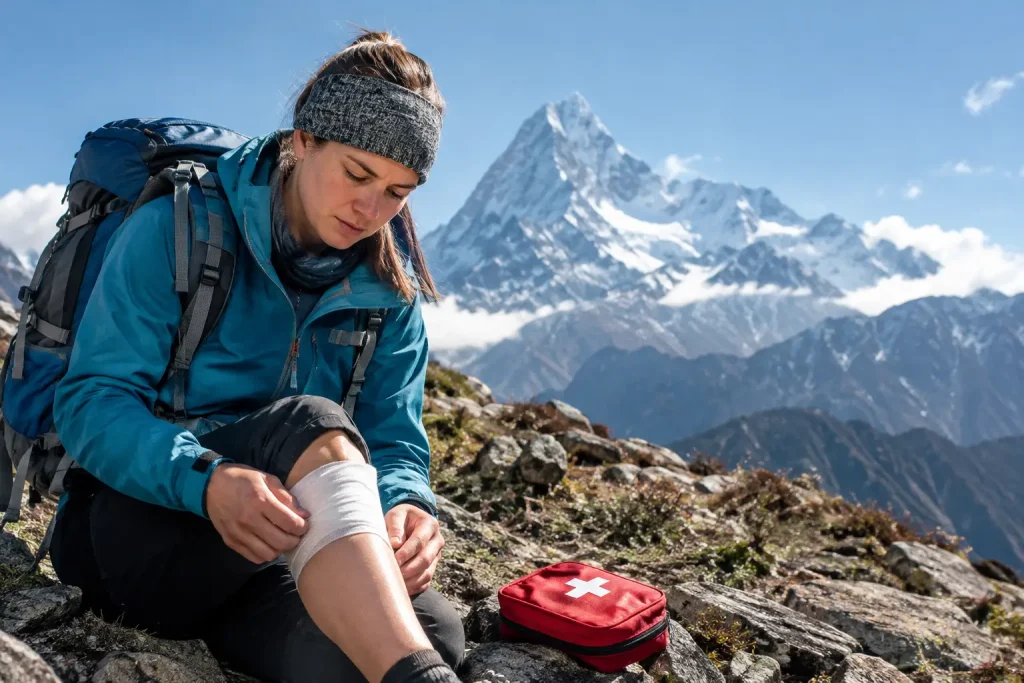
Bring a personal first-aid kit that matches your itinerary. Include blister care, oral rehydration salts, any prescribed medicines, pain relief you know you can take, and medication discussed with a travel clinician for altitude or stomach illness. Do not begin a high-altitude trek with an untreated respiratory infection, fever, or significant gastrointestinal illness.
Comprehensive travel insurance with trekking coverage and emergency helicopter evacuation is essential for higher routes. Read the altitude limit and exclusions closely. A policy that covers a standard holiday may not cover trekking above a specified elevation, guided climbing, or evacuation caused by a pre-existing condition.
Is Nepal Safe for Solo and Female Travelers?
Many solo travelers, including women, have positive experiences in Nepal, particularly on established trekking routes and in tourist areas. The key is choosing accommodation and transport carefully, maintaining clear boundaries, and avoiding isolated walking after dark in cities.
On the trail, tell someone your planned route and expected arrival time, even if you are trekking with a guide. Stay in recognized teahouses, avoid changing plans without letting someone know, and be cautious about alcohol when you are tired, at altitude, or far from support. A solo trek has more freedom, but it also leaves fewer margins when you become ill or conditions change.
Practical Steps Before You Go
Preparation should be specific to your route, season, and highest sleeping altitude. Train for sustained uphill walking with a loaded daypack, not only short gym workouts. Research realistic daily distances and elevation gain, then choose an itinerary with rest days rather than one built around maximum speed.
Before departure, check entry requirements, current local conditions, permit rules, and whether your insurance covers every planned activity. Share your itinerary and policy details with a family member, and keep emergency contacts accessible offline. If you book logistical support through an experienced local operator such as Radiant Treks, confirm exactly what is included for guides, permits, transport, and emergency assistance.
Nepal is safest when you give the mountains the time and respect they require. Leave room for a weather delay, take the slower acclimatization day, and turn around if your body or the conditions say it is the right call. Those decisions do not reduce the adventure – they are what allow you to enjoy it fully.