The Pikey Peak trek altitude is high enough to require real preparation, but it is lower and generally more manageable than Everest Base Camp or the Gokyo Lakes route. The high point is Pikey Peak at 4,065 meters (13,336 feet), reached on a relatively short summit climb. What makes this trek challenging is not extreme elevation alone, but the pace of ascent, cold early-morning conditions, and the fact that some itineraries begin gaining altitude soon after leaving the road.
For fit first-time Himalayan trekkers, Pikey Peak can be an excellent introduction to trekking above 4,000 meters. The key is to choose an itinerary with sensible elevation gains, recognize early altitude symptoms, and avoid treating a short route as an easy route.
Pikey Peak Trek Altitude at a Glance
Most Pikey Peak itineraries start from Dhap, Shivalaya, or Phaplu, depending on road conditions and the route selected. Starting elevations vary considerably, which is one reason you should look beyond the total number of trekking days when comparing plans.
A commonly used route begins near Dhap at about 2,850 meters (9,350 feet), continues through Jhapre at roughly 2,920 meters (9,580 feet), and climbs toward Pikey Peak Base Camp at approximately 3,585 meters (11,762 feet). The summit push reaches 4,065 meters (13,336 feet), usually before sunrise. Many trekkers then descend to lower villages such as Junbesi, around 2,680 meters (8,793 feet), which provides welcome relief after the highest day.
These figures are approximate. Lodge locations, side trails, road endpoints, and GPS readings can vary. What matters most is your sleeping altitude and how much higher you go during the day before returning to sleep.
Why 4,065 Meters Feels Significant
At Pikey Peak’s summit, the air contains the same percentage of oxygen as at sea level, but lower air pressure means each breath delivers less oxygen to your body. At around 4,000 meters, many otherwise healthy travelers notice reduced pace, breathlessness on climbs, interrupted sleep, headache, or a lower appetite.
This does not mean the trek is unsafe by default. It means your body needs time to adjust. A traveler who hikes comfortably at home may still find a steady uphill section near Pikey Base Camp demanding. Fitness improves your endurance and recovery, but it does not make anyone immune to altitude illness.
The summit day can feel particularly hard because it often starts in darkness and cold temperatures. The climb is usually not technical, yet frozen ground, wind, and fatigue can make a straightforward trail feel more demanding than expected. Plan to move slowly, wear warm layers, and carry water where it will not freeze.
Typical Daily Altitude Profile
A standard Pikey Peak itinerary often takes five to seven trekking days, though longer versions allow more gradual acclimatization and include villages such as Junbesi and Phaplu. The exact profile depends on the trailhead, but the pattern is usually a steady rise from the mid-2,000-meter range toward a night near 3,500 meters, followed by a summit morning above 4,000 meters.
The night at Pikey Peak Base Camp is the most important acclimatization point on many schedules. Sleeping around 3,500 to 3,600 meters can cause mild symptoms even if you felt fine lower down. A headache, poor sleep, and reduced appetite are common signals to monitor, especially if they occur together or worsen.
Some fast itineraries reach the high camp after only a few days of walking. These plans can work for travelers who have acclimatized elsewhere in Nepal or who respond well to altitude, but they provide less margin for adjustment. If this is your first trek above 3,500 meters, an extra day or a more gradual approach is usually a better decision than rushing toward the summit.
Is Altitude Sickness Common on Pikey Peak?
Acute mountain sickness, often called AMS, is possible on the Pikey Peak trek. The risk is lower than on treks that involve several nights above 4,000 meters, but it should not be dismissed. Pikey Peak’s short duration can encourage trekkers to ascend too quickly, particularly when they have limited vacation time.
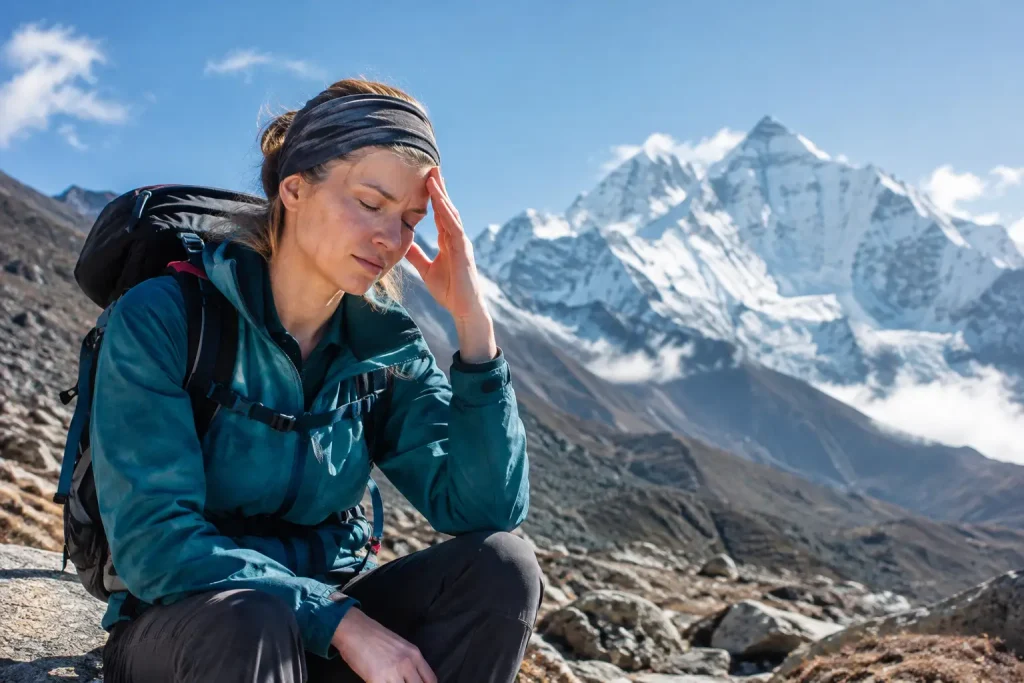
Mild AMS often begins with a persistent headache along with symptoms such as nausea, dizziness, fatigue beyond normal exertion, poor appetite, or difficulty sleeping. A headache after a long uphill day is not automatically altitude sickness, but it should be taken seriously when combined with other symptoms.
The response is simple and non-negotiable: do not go higher while symptoms are getting worse. Rest, hydrate normally, eat what you can tolerate, and tell your guide or trekking partners. If symptoms do not improve, descend to a lower altitude. Descent is the most effective treatment for worsening altitude illness.
Severe symptoms require immediate descent and urgent help. These include confusion, loss of coordination, breathlessness while resting, a persistent wet cough, or chest tightness. Do not wait until morning to see whether these signs improve. Trekking insurance should cover emergency evacuation at altitude, but insurance is not a substitute for conservative decisions on the trail.
How to Acclimatize for Pikey Peak
The most useful acclimatization strategy begins before the trek. If your Nepal itinerary allows, spend a few nights in Kathmandu after arrival to recover from long-haul travel, organize gear, and avoid starting the trek exhausted. Kathmandu is not high enough to acclimatize you for Pikey Peak, but arriving rested helps you manage the early days well.
On the route, keep the pace conversational rather than trying to match the fastest person in your group. Your breathing should increase on climbs, but you should not be repeatedly pushing to the point of exhaustion. Take short breaks, not long chilly stops, and drink consistently throughout the day. Clear urine is not a perfect measure of hydration, but very dark urine is a sign to drink more fluids.
Avoid alcohol once you begin gaining altitude, particularly at higher lodges. It can worsen dehydration and interfere with sleep, both of which make it harder to judge how your body is adapting. Sleeping medication should only be used with medical advice because it may mask symptoms or affect breathing.
Medication such as acetazolamide can help prevent or manage altitude illness for some travelers, but it is not a permit to ascend quickly. Discuss it with a travel medicine clinician before departure, including possible side effects, allergies, and your personal medical history.
Choosing an Itinerary for Your Experience Level
For many first-time Himalayan trekkers, a six- or seven-day Pikey Peak plan is preferable to the shortest possible itinerary. The extra time creates room for weather delays, slower hiking, and a more measured ascent to the high camp. It also makes the trek more enjoyable because you can take in Sherpa villages, forests, and viewpoints without treating every day as a race.
A shorter version may suit experienced trekkers who have recently acclimatized on another Nepal route, have a strong history at altitude, and understand when to turn around. Even then, prior success is not a guarantee. Altitude response can change from one trip to the next due to illness, fatigue, hydration, weather, and ascent rate.
Families with older teens and active hikers can consider Pikey Peak, but the summit should remain optional. A successful trek is not defined by standing on the highest point if someone is feeling unwell. The sunrise view of Everest, Makalu, Kanchenjunga, and surrounding Himalayan ranges is memorable, but no view is worth ignoring escalating symptoms.
Weather, Cold, and the Summit Morning
Altitude and weather work together on Pikey Peak. The best trekking windows are generally spring and fall, when conditions are more stable and mountain visibility is often strongest. Even in these seasons, the pre-dawn summit climb can be well below freezing, especially with wind.
Cold hands and feet can make it difficult to eat, drink, or adjust clothing, so prepare your summit pack the evening before. Carry insulated layers, gloves, a warm hat, a headlamp with spare power, water, and high-calorie snacks that remain edible in low temperatures. Start with enough layers to stay warm while waiting, then remove one as your body heats up on the climb.
Monsoon conditions bring cloud, rain, leeches on lower trails, and less reliable mountain views. Winter offers quieter trails and clear days at times, but snow and colder nights can complicate the approach to the summit. In either season, allow more flexibility and use local trail information rather than relying solely on a fixed online itinerary.
Practical Altitude Preparation Before Nepal
Train for sustained uphill walking, not only short gym sessions. Weekly hikes with elevation gain, stair climbing, and strength work for your legs and core will help you move more efficiently with a daypack. Build gradually, especially if you are new to long descents, because downhill fatigue can be as disruptive as the uphill climb.
Bring well-tested footwear and avoid making the summit day your first time using new boots, poles, or a hydration system. Small gear failures become bigger problems when you are cold, tired, and above 3,500 meters. A guided arrangement can also simplify route navigation, lodge coordination, and daily health checks, particularly for travelers with limited Himalayan experience.
Approach Pikey Peak with enough time, a conservative pace, and a willingness to adjust the plan. The mountain will still be there if your body asks you to descend, and making that call early is part of trekking responsibly.